Allergy Season Survival Guide: Massage for Sinus Pressure and Tension
Introduction: When Allergy Season Makes Relaxation Difficult
Have you ever woken up with a blocked nose, a heavy feeling around your forehead, pressure in your cheeks, and tension around your neck and shoulders? Perhaps your eyes feel irritated, you keep sneezing, and even a normal working day seems more exhausting than usual.For people who experience seasonal or environmental allergies, these symptoms can make everyday activities uncomfortable. Concentrating at work, enjoying outdoor activities, exercising, or getting a good night's sleep may become more challenging.Allergy symptoms can also coincide with muscle tension. When you feel uncomfortable, you may unconsciously tighten your jaw, raise your shoulders, squint, or hold your head in an awkward position. Prolonged computer use, poor posture, and stress can add to that discomfort.The result is a frustrating combination of nasal congestion, facial pressure, and muscular tightness.Fortunately, there are several ways to manage these discomforts. Appropriate allergy treatment, reducing exposure to triggers, gentle movement, adequate rest, and other practical self-care measures can all play a role.Massage may also be a useful complementary wellness practice for some people, particularly when the main concern is tension in the neck, shoulders, jaw, and surrounding muscles.At Passion Mobile Massage, we believe that understanding your body's needs is an important part of maintaining a balanced wellness routine. Our mobile massage approach offers a convenient way to explore relaxation-focused treatments at a suitable location.In this allergy season survival guide, we explain what causes sinus pressure, how it differs from muscular tension, what massage may realistically offer, which techniques to approach cautiously, and when professional medical care is more appropriate.Important: Massage does not cure allergies, eliminate allergens, or treat the underlying inflammation responsible for allergic rhinitis. Evidence supporting sinus massage specifically is limited, so any benefit should be considered potentially temporary and complementary to appropriate medical care.
1. Understanding Allergy Season: Why Does Your Face Feel Heavy?

Allergic rhinitis, often called hay fever, occurs when your immune system reacts to substances that are usually harmless, such as pollen, dust mites, mould, or animal dander.When you encounter a trigger, your immune system releases chemicals, including histamine, that contribute to inflammation and allergy symptoms.Depending on the trigger and your sensitivity, symptoms may include:
- Sneezing repeatedly.
- A runny or blocked nose.
- Itchy eyes, nose, or throat.
- Watery eyes.
- Postnasal drip.
- Disturbed sleep.
- A feeling of pressure or fullness around the face.
When the lining of the nasal passages becomes inflamed, airflow can feel restricted. If mucus accumulates or sinus drainage is affected, you may also experience facial discomfort.Sinus pressure can occur with allergies, but it can also result from viral infections, sinusitis, and other conditions. Facial pressure alone does not prove that you have allergies or a sinus infection.
Why allergy symptoms can feel so exhausting
Imagine trying to complete a demanding project while repeatedly sneezing, rubbing your eyes, and struggling to breathe comfortably through your nose.You may sleep poorly because of congestion, feel distracted during the day, or become frustrated by symptoms that keep returning.Some allergy medicines can also cause drowsiness, depending on the product.When you are uncomfortable for extended periods, you may find it harder to relax your facial muscles, neck, and shoulders.This is where it helps to distinguish between two different problems: sinus pressure and muscular tension.
2. Sinus Pressure vs. Muscle Tension: Know the Difference

Although these sensations can occur together, they are not the same thing.
What is sinus pressure?
Sinus pressure is associated with irritation, inflammation, or impaired drainage in the nasal and sinus passages.It may feel like fullness or aching around the forehead, cheeks, nose, or eyes. Some people also experience nasal congestion, discharge, or reduced smell.Allergies are one possible cause, but they are not the only explanation.
What is muscular tension?
Muscular tension involves tightness or discomfort in muscles and surrounding tissues.It may develop after prolonged sitting, repetitive movements, stress, jaw clenching, or holding the head and shoulders in one position for too long.Common areas include:
- The upper trapezius muscles around the shoulders.
- The muscles at the back of the neck.
- The jaw muscles.
- The temples and forehead.
- The muscles surrounding the shoulder blades.
Muscular tension may contribute to headaches or make existing discomfort feel worse.
Why the distinction matters
If your discomfort comes primarily from tight neck and shoulder muscles, a suitable massage may help you relax those areas.If your symptoms result from allergic inflammation inside your nose, however, a shoulder massage will not remove the cause of the congestion.A facial massage may provide temporary comfort for some people, but it cannot reliably open blocked sinus passages or treat an underlying infection.Understanding this distinction helps you choose the right approach rather than expecting one treatment to solve every symptom.
3. Can Massage Help Relieve Sinus Pressure?
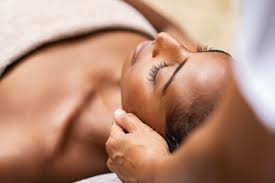
This is one of the most common questions people ask when searching for natural ways to feel more comfortable during allergy season.The honest answer is that gentle massage may provide temporary relief for some people, but scientific evidence for sinus massage is limited and results vary.Some people find gentle facial movements soothing when they experience facial fullness or tension. Others notice little or no difference.Research does not establish massage as a reliable treatment for allergic inflammation or sinus congestion. Medical sources emphasise that it should not replace appropriate assessment and treatment.
What massage may help with
Massage may be worth considering when your discomfort includes:Neck and shoulder tension: Gentle therapeutic massage may help some people feel less tight and more relaxed.Jaw and facial muscle tightness: If you clench your jaw or hold tension around your temples, a suitably gentle treatment may provide comfort.General relaxation: A calm massage session may help you unwind after a demanding day, particularly when congestion and poor sleep have left you feeling fatigued.Stress-related discomfort: Relaxation practices can complement a broader approach to managing stress and muscular tension.
What massage cannot do
Massage should not be promoted as a treatment that:
- Cures allergic rhinitis.
- Prevents your immune system from reacting to allergens.
- Reliably drains blocked sinuses.
- Treats bacterial or viral infections.
- Replaces prescribed allergy medication.
- Guarantees relief from sinus headaches.
The most realistic approach is to treat massage as a possible comfort measure while addressing the underlying allergy symptoms separately.
4. Five Ways Massage May Support Comfort During Allergy Season

When used appropriately, massage can form part of a broader wellness routine. The following benefits relate primarily to relaxation and muscular comfort rather than treating the allergy itself.
A. Relaxing tight neck and shoulder muscles
When your nose feels blocked or your head feels heavy, you may unconsciously lift your shoulders, tighten your jaw, or change your posture.If you also spend long hours working at a desk, these habits can contribute to muscular discomfort.A suitably trained massage therapist can work on the neck, shoulders, and upper back using techniques appropriate for your needs.Gentle pressure, comfortable positioning, and communication about sensitive areas are important.
B. Helping you unwind after a difficult day
Persistent allergy symptoms can make ordinary tasks feel more demanding.A relaxation-focused massage can create an opportunity to pause, reduce distractions, and enjoy a period of personal attention.Some people find this calming, although individual responses vary.
C. Addressing muscular tension associated with headaches
Not every headache around the forehead or temples is caused by the sinuses.Tension-type headaches, migraine, and other conditions can produce discomfort in similar areas.Massage may help some people with certain types of muscular or tension-related pain, but it is not a universal headache treatment. Recurrent, severe, or unexplained headaches should be assessed appropriately. <Cite refs={["turn575472search15","turn575472search16"]}/>
D. Encouraging awareness of posture
Massage appointments can provide an opportunity to discuss everyday habits that may contribute to discomfort.For example, you may notice that you spend long periods looking down at your phone or working with your shoulders raised.Massage does not permanently correct posture by itself, but combining relaxation with movement breaks, ergonomic adjustments, and appropriate strengthening exercises may help you manage muscular tension.
E. Making time for intentional self-care
Sometimes, the value of a wellness appointment is that it creates a planned pause in a busy schedule.When you are managing allergy symptoms, work responsibilities, and household demands, a dedicated relaxation period may help you feel more comfortable and less rushed.It is not a substitute for allergy care, but it can be part of a sensible self-care routine.
5. Gentle Facial Massage: What You Should Know
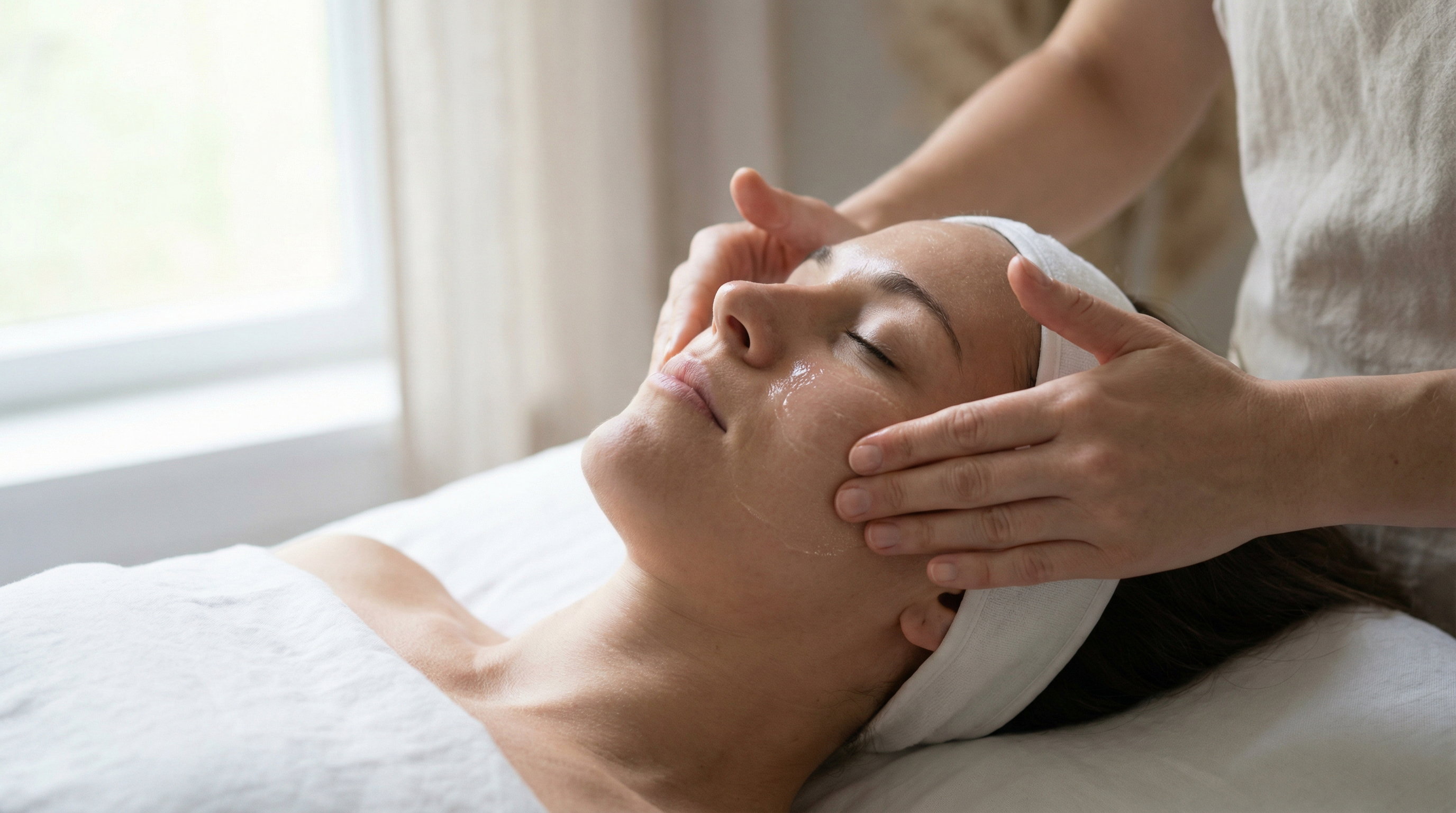
Some people try self-massage around the forehead, temples, and cheeks when they experience facial pressure.If your symptoms are mild and your skin is comfortable, gentle touch may be soothing. However, evidence that it meaningfully relieves sinus congestion remains limited.If you choose to try it, follow these general precautions.
Keep the pressure light
Use clean fingertips and gentle movements around the forehead and temples.Avoid forceful pressure around the eyes, nose, or other sensitive areas.
Avoid irritated skin
Allergies can make the skin around your nose and eyes sensitive, particularly if you have been rubbing it repeatedly.Do not massage areas that are inflamed, broken, painful, or irritated.
Stop if symptoms worsen
If facial massage increases pain, pressure, dizziness, or discomfort, stop immediately.Do not repeatedly press a painful area in the hope that stronger pressure will improve it.
Do not attempt to force sinus drainage
The sinuses are internal air-filled spaces connected to the nasal passages. Pressing harder on the face does not reliably open blocked passages or resolve inflammation.If congestion persists, address the underlying cause with appropriate allergy care or medical advice.For many people, the more useful role for professional massage during allergy season is to focus on muscular tension in areas such as the neck, shoulders, and upper back rather than applying pressure directly to the sinuses.
6. Neck and Shoulder Massage: A Practical Focus for Tension

If you are experiencing allergy symptoms alongside tight shoulders or neck discomfort, it may be worth exploring a relaxation-focused massage.The neck and shoulder region is frequently affected by prolonged sitting, repetitive movements, and sustained postures.When you spend hours at a computer, for example, you may lean forward, raise your shoulders, or hold your head in one position.These habits can contribute to discomfort independently of your allergies.
What a session might involve
After discussing your preferences and relevant health concerns, a therapist may use suitable techniques on the shoulders, upper back, and surrounding muscles.The session should be adapted to your comfort level.You should be able to communicate if the pressure is too firm, if a particular area feels sensitive, or if you would prefer the therapist to avoid an area entirely.
Why gentle treatment may be preferable
When you already feel uncomfortable, an intense treatment is not necessarily the best choice.Deep tissue massage can produce temporary soreness, and firmer pressure may be unsuitable for certain conditions.A gentle or moderate-pressure session may be more comfortable if your immediate goal is relaxation.If you have fever, an acute infection, significant facial pain, or other concerning symptoms, postpone massage and seek appropriate medical advice rather than trying to work through the discomfort.
7. Allergy Season Survival Guide: Seven Practical Steps for Everyday Relief
Massage is only one possible part of a wellness routine. If allergies are the main problem, measures that address the allergy itself are more important.Here are seven practical steps to consider.
Step 1: Identify your triggers
Common allergy triggers include pollen, dust mites, mould, and animal dander.Pay attention to when your symptoms appear and where they are most noticeable.For example, symptoms may worsen after cleaning a dusty room, spending time outdoors, or being around a particular animal.Identifying patterns can help you make informed changes.
Step 2: Reduce exposure where possible
If dust is a trigger, regular cleaning and appropriate bedding care may help reduce exposure.If outdoor allergens trigger your symptoms, consider checking local pollen or air-quality information where available and limiting exposure when levels are high.Avoid smoke and other airborne irritants that worsen your symptoms.
Step 3: Consider saline nasal rinsing
Saline nasal sprays or rinses may help remove mucus and allergens from the nasal passages.If you use a nasal irrigation device, use distilled or sterile water, or water that has been boiled and cooled according to recognised safety guidance. Clean the device as directed.Saline rinsing may help some people with allergic rhinitis, but it does not replace all other forms of treatment. <Cite refs={["turn575472search0","turn575472search14"]}/>
Step 4: Discuss suitable allergy treatments
Depending on your symptoms, a healthcare professional or pharmacist may recommend treatments such as antihistamines or corticosteroid nasal sprays.The most appropriate choice depends on your symptoms, medical history, other medicines, and local availability.Follow product instructions and seek advice if you are uncertain about possible side effects or interactions.
Step 5: Maintain a comfortable environment
Keep your sleeping area clean and address visible mould or excessive dust where possible.If dry air irritates your nose, you may find that a comfortably humid environment helps. Avoid excessive humidity, which can encourage mould and dust mites.
Step 6: Take movement breaks
If you work at a desk, stand up periodically, move your shoulders gently, and change position throughout the day.Simple movement breaks can help reduce stiffness associated with prolonged sitting.
Step 7: Make room for rest
Aim for a consistent sleep schedule and allow yourself time to unwind.If congestion is disrupting your sleep, address it directly with appropriate allergy care rather than relying on massage alone.These practical measures target different aspects of allergy management and can complement relaxation-focused self-care. <Cite refs={["turn575472search0","turn575472search11","turn575472search14"]}/>
8. When Massage May Not Be Appropriate

Massage is generally well tolerated by many healthy people when performed appropriately, but it is not suitable for every situation.If you are experiencing allergy symptoms, consider postponing treatment or seeking medical advice when you have:
- Fever or a suspected acute infection.
- Severe or worsening facial pain.
- Significant swelling or marked tenderness around the eyes.
- Broken, infected, or severely irritated skin in the treatment area.
- An unexplained severe headache.
- A medical condition that requires massage modifications.
If you have asthma and are experiencing significant wheezing, chest tightness, or breathing difficulty, prioritise medical care rather than a massage appointment.People with particular medical conditions, recent surgery, certain injuries, or a history of blood clots may require professional medical advice before receiving massage.Always inform the therapist about relevant health concerns, medications, sensitivities, and areas you want to avoid.
Warning signs that need medical attention
Seek urgent medical assessment if facial pressure occurs with eye swelling, changes in vision, severe headache, confusion, or other serious symptoms.You should also arrange medical evaluation if symptoms are severe, keep recurring, worsen after initially improving, or fail to improve as expected.Allergy symptoms that interfere with sleep or daily activities may also deserve professional assessment.The objective is to avoid mistaking a condition that requires medical treatment for a simple need for relaxation. <Cite refs={["turn575472search5","turn575472search8","turn575472search15"]}/>
9. Why Mobile Massage Can Be a Convenient Self-Care Option

When you are uncomfortable, even ordinary tasks can feel more demanding.Travelling across town, sitting in traffic, or rearranging your schedule to visit a spa may not be appealing, particularly after a long working day.Mobile massage offers another option by bringing an agreed treatment to a suitable location, subject to the provider's service area and availability.For people who want to focus on relaxation and muscular comfort, this arrangement can make it easier to fit a session into their schedule.
Enjoy the convenience of your chosen location
A mobile appointment may be arranged at home or another suitable location.Before the session, prepare a clean, comfortable space with enough room for the therapist's equipment and movement.If you are staying in a hotel or serviced accommodation, check its visitor policies and confirm that outside providers are permitted.
Personalise the session
A good massage experience begins with communication.Tell the therapist if your main concern is neck tension, tight shoulders, or general muscular discomfort.Explain any sensitivities, skin irritation, relevant medical conditions, or pressure preferences.If your face is tender or congested, make that clear. You can ask the therapist to avoid facial work and focus on areas that are comfortable to treat.
Keep expectations realistic
Mobile massage is a service for relaxation and muscular comfort. It is not an allergy treatment.If your primary concern is a blocked nose, persistent sneezing, itchy eyes, or ongoing sinus symptoms, appropriate allergy management should remain your priority.The two approaches serve different purposes and may be considered alongside one another when appropriate.
10. How Passion Mobile Massage Can Support Your Wellness Routine
At Passion Mobile Massage, we understand that comfort and convenience matter when you are trying to make time for yourself.Our mobile massage approach is designed to bring massage experiences closer to clients, allowing them to enquire about suitable treatments at home or another appropriate location.If allergy season leaves you feeling tense after long days of work, or if you find yourself carrying tension in your neck and shoulders, a relaxation-focused massage may be worth considering as part of your wider wellness routine.We encourage clients to communicate their needs and understand what massage can realistically offer.For example, a session may be planned around general relaxation or muscular tension, subject to the therapist's assessment and the client's suitability for treatment.We do not recommend using massage as a replacement for allergy medication, medical assessment, or treatment of sinus conditions.
What to share when making an enquiry
To help establish whether a session is suitable, consider sharing:
- Your location and preferred appointment time.
- The type of massage you are interested in.
- The areas where you experience muscular tension.
- Any relevant health concerns or skin sensitivities.
- Any treatment preferences or areas you would like avoided.
If you have active symptoms that may indicate an infection or another medical problem, obtain appropriate medical advice before arranging a massage.To learn more about our services, visit Passionmobilemassage.com and enquire about available massage options.Our goal is to help you explore convenient relaxation experiences while keeping your comfort, preferences, and well-being at the centre of the appointment.
Frequently Asked Questions About Massage for Sinus Pressure and Allergy Season
1. Can massage relieve sinus pressure?
Some people report temporary comfort from gentle facial massage, but the evidence supporting sinus massage is limited. Massage does not treat allergic inflammation, sinus infections, or other underlying causes of congestion.
2. Where should you massage for sinus pressure?
Some self-care techniques involve gentle movements around the forehead, temples, and cheeks. Avoid pressing forcefully around the eyes or nose, and stop if pain increases. If symptoms are severe or persistent, seek medical advice rather than relying on massage.
3. Does neck massage help with allergy symptoms?
Neck massage does not treat the allergy itself. However, an appropriate massage may help some people manage muscular tension that occurs alongside congestion or a demanding daily routine.
4. Can massage clear a blocked nose?
There is no reliable evidence that massage consistently clears a blocked nose caused by allergies. Saline nasal rinsing and appropriate allergy treatments may be more useful for addressing nasal symptoms.
5. Is facial massage safe during allergy season?
It may be comfortable for some people with mild symptoms, provided the skin is not irritated and the pressure is gentle. Avoid facial massage if you have significant tenderness, broken skin, swelling around the eyes, or other concerning symptoms.
6. Can massage help with a sinus headache?
The cause of a headache matters. Massage may help some types of muscular or tension-related discomfort, but it is not a proven treatment for every headache associated with sinus symptoms. Severe, recurrent, or unexplained headaches require appropriate assessment.
7. Should I get a massage when I have a sinus infection?
If you suspect an acute infection, particularly if you have a fever or feel generally unwell, postpone massage and seek medical advice as appropriate. Massage should not delay diagnosis or treatment.
8. What is the best massage for neck and shoulder tension during allergy season?
The best option depends on your preferences, health circumstances, and comfort level. A gentle or moderate-pressure relaxation-focused session may be a suitable starting point for some people. Tell the therapist about any tenderness or relevant medical conditions.
9. Can mobile massage be arranged at home?
Mobile massage providers may offer home appointments depending on their service area, schedule, and the suitability of the location. Contact the provider to confirm availability and discuss your requirements.
10. How do I book a massage with Passion Mobile Massage?
Visit Passionmobilemassage.com to enquire about available services. Share your location, preferred appointment time, and treatment preferences. If you have significant allergy symptoms or unexplained facial pain, address those concerns with a healthcare professional before arranging treatment.
Conclusion: Breathe Easier by Taking the Right Approach to Self-Care
Allergy season can make everyday life uncomfortable. A blocked nose, itchy eyes, facial pressure, and disrupted sleep can affect how you feel at work, at home, and throughout your daily activities.When muscular tension develops alongside these symptoms, it can become even more difficult to feel comfortable.The most effective approach is to understand the source of your discomfort and respond appropriately.Reduce exposure to known triggers where possible. Consider suitable allergy treatments. Maintain a comfortable environment, take movement breaks, and seek medical advice when symptoms persist or become concerning.If you also experience neck, shoulder, or other muscular tension, a suitable massage may provide an opportunity to relax and feel more comfortable.At Passion Mobile Massage, we believe self-care should be practical, personalised, and convenient. Our mobile service approach gives you an opportunity to enquire about massage at a suitable location without the need for a separate trip to a spa.Remember: massage may support relaxation, but it does not cure allergies or replace medical treatment for sinus problems.Ready to make time for your well-being?Visit Passionmobilemassage.com to explore available services and enquire about a massage experience suited to your preferences.Passion Mobile Massage — bringing relaxation closer to you.
