Beyond Relaxation: The Clinical, Evidence-Based Benefits of Massage Therapy for Lifelong Health
For decades, popular culture placed massage therapy into a very narrow box. It was marketed almost exclusively as an indulgence—a luxury spa treatment reserved for high-end vacations or a rare afternoon of self-pampering. However, a major shift in public health and clinical research has completely rewritten that narrative.Recent data from the American Massage Therapy Association (AMTA) reveals a profound transformation in public consumer behavior: nearly 80% of individuals now seek massage therapy strictly for medical, functional, or wellness reasons. Whether managing localized muscle spasms (49%), seeking chronic pain management (42%), or looking for non-pharmaceutical rehabilitation after an injury (36%), modern consumers view bodywork not as a luxury, but as an essential component of integrative healthcare. The global massage therapy services market reflects this reality, projected to grow to over $40 billion by 2034. Medical doctors, physical therapists, and chiropractors routinely refer patients to licensed massage therapists. Why? Because the biochemical and musculoskeletal mechanics of human touch are grounded in clear, clinical science.This comprehensive guide explores the multi-faceted benefits of massage therapy, revealing how regular treatment profoundly optimizes your musculoskeletal, cardiovascular, nervous, and immune systems.
1. The Musculoskeletal Mechanics: Restoring Structural Alignment and Tissue Length
Every daily movement pattern—whether it is sitting at a desk, lifting weights, or running marinos—places repetitive mechanical stress on our muscles, tendons, and fascia (the web of connective tissue that wraps around every muscle fiber and organ).When tissue is subjected to chronic strain or immobilized through a sedentary lifestyle, it undergoes structural changes. The body deposits haphazard patterns of collagen to protect the stressed area, creating dense, fibrous bands known as myofascial adhesions, or "muscle knots." These adhesions restrict movement, lock joints out of alignment, and cause chronic pain.Massage therapy alters this tissue structure through direct mechanical manipulation:
Breaking the Adhesion Cycle
Using targeted modalities like deep tissue friction and myofascial release, a skilled therapist applies slow, calculated pressure perpendicular to the orientation of the muscle fibers. This mechanical force physically disrupts the cross-linkages within the stiffened collagen matrix. By breaking these micro-adhesions, the therapy restores natural sliding mechanics, allowing your muscles and fascia to glide smoothly over one another without catching.
Deactivating Trigger Points
Repetitive overwork can cause individual muscle units (sarcomeres) to become permanently contracted, creating hyper-irritable spots known as trigger points. These points constrict surrounding capillaries, causing localized oxygen starvation (hypoxia) and pooling metabolic waste products like lactic acid.Through ischemic compression—applying steady, direct pressure to the knot—trigger point therapy temporarily pushes stagnant fluid out of the tissue. When the pressure is released, fresh arterial blood rushes back into the area, instantly supplying the oxygen and nutrients needed to relax the muscle fibers.
2. The Cardiovascular and Lymphatic Surge: Maximizing Cellular Nutrition
Your circulatory system is your body’s internal transit network. It delivers oxygenated blood and essential nutrients to every cell while carrying away the cellular waste products that cause inflammation and fatigue. Massage acts as an external physical pump for this entire system.
Accelerating Venous Return and Reactive Hyperemia
When a therapist utilizes effleurage—long, sweeping strokes directed toward the heart—they mechanically push venous blood through the circulatory system. This reduces systemic vascular resistance and assists the veins in returning blood back to the heart.Furthermore, the friction of massage stimulates the endothelial cells lining your blood vessels to release nitric oxide, a natural compound that triggers immediate vasodilation (the widening of blood vessels). This dilation brings about a state of reactive hyperemia, significantly increasing the volume of fresh, nutrient-rich blood delivered to recovering muscles and vital organs.
Decongesting the Lymphatic System
Unlike the cardiovascular system, which relies on the heart to pump blood, your lymphatic system has no centralized pump. It depends entirely on manual muscle movement and respiratory pressure to transport lymph—the fluid containing cellular debris, toxins, and immune cells—out of tissues.If you live a sedentary lifestyle or are recovering from surgery, lymphatic fluid can easily pool, causing chronic swelling and a sluggish immune response. Lymphatic drainage massage uses light, rhythmic, directional strokes to encourage fluid movement into the lymph nodes, where toxins are filtered and eliminated from the body.
3. The Neurological Shift: Calming the Autonomic Nervous System
The benefits of massage extend far beyond physical tissue manipulation.It also triggers a profound shift in your central nervous system, helping to rebalance your body's response to stress. Modern daily life frequently keeps our bodies trapped in a state of sympathetic nervous system dominance, commonly known as the "fight-or-flight" response. While this response is vital for survival during actual emergencies, chronic activation from workplace deadlines, financial anxieties, and digital overstimulation causes systemic harm. It drives up blood pressure, creates muscle tension, alters digestion, and elevates baseline anxiety.
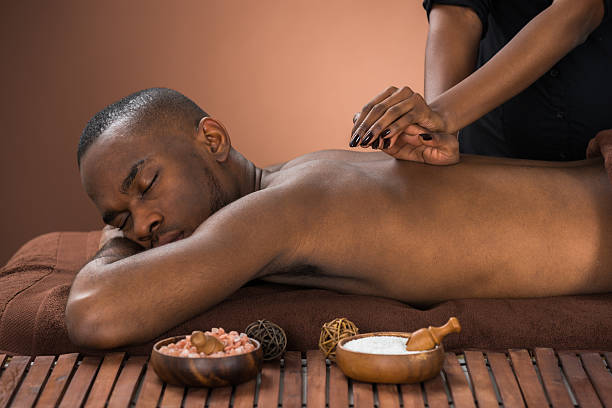
Massage therapy serves as a direct downregulator of this sympathetic overdrive by stimulating specialized nerve endings in the skin and muscles called mechanoreceptors (such as Ruffini cylinders and Pacinian corpuscles). This sensory input shifts the autonomic nervous system into parasympathetic dominance, the "rest-and-digest" state.Clinical studies demonstrate that this neurological shift produces measurable biochemical transformations:
- Cortisol Reduction: Sessions reliably lower blood levels of cortisol, the body's primary stress hormone, which calms systemic inflammation and reduces feelings of anxiety.
- Neurotransmitter Elevation: Studies show a marked increase in the production of serotonin and dopamine, the neurotransmitters responsible for stabilizing mood, regulating sleep, and promoting emotional well-being.
- Heart Rate Variability (HRV) Improvement: By soothing autonomic tension, massage increases HRV, a key clinical indicator of cardiovascular health and stress resilience.
4. The Pain-Management Breakthrough: Overriding Chronic Discomfort
For individuals living with chronic pain conditions like fibromyalgia, arthritis, or sciatica, massage therapy provides a reliable, non-pharmacological alternative for long-term relief. Its effectiveness relies heavily on two well-established physiological principles.
The Gate Control Theory of Pain
Your nervous system can only process a limited amount of sensory information at one time. Pain signals travel along slow, unmyelinated nerve pathways (C-fibers) to reach the spinal cord and brain.The pleasant pressure and friction of massage therapy travel along much faster, myelinated nerve fibers (A-beta fibers). By arriving at the spinal cord first, these pleasant touch sensations effectively "close the neurological gate," blocking the slower pain signals from ever reaching your conscious awareness.
[Fast Myelinated Fibers - Massage Touch] ───> █ (Gate Closed) ───X  Pain Signal Blocked
[Slow Unmyelinated Fibers - Chronic Pain] ──> █
Breaking the Pain-Spasm-Pain Cycle
When an area of the body experiences chronic discomfort or injury, the brain automatically commands the surrounding muscles to tighten up in a protective reflex known as "guarding." While this splinting is helpful in the short term, it eventually limits local blood flow, creating oxygen deprivation and metabolic waste buildup.This lack of oxygen causes ischemic pain, which prompts the brain to tighten the muscle even further. Massage breaks this cycle by manually stretching the hypertonic muscle fibers, boosting local circulation, and reassuring the nervous system that the protective muscle spasm is no longer required.
5. Systemic Health Benefits: Sleep, Immunity, and Athletic Longevity
The physical and neurological impacts of regular massage therapy combine to produce widespread, systemic improvements throughout the entire body.
Optimizing Sleep Architecture and Insomnia Management
Deep, restorative sleep is non-negotiable for metabolic regulation, brain health, and tissue repair. Chronic stress and physical discomfort are two of the greatest disruptors of natural sleep cycles.By simultaneously reducing physical pain and boosting serotonin production, massage therapy provides the ideal biochemical foundation for quality rest. Serotonin is the direct chemical precursor to melatonin, the hormone that regulates your sleep-wake cycles. Regular massage helps you fall asleep faster and increases the time you spend in deep, restorative slow-wave sleep.
Fortifying Immune Function
It is a common misconception that massage temporarily weakens or drains the body. Clinical trials conducted at institutions like Emory University have shown that a single session of Swedish massage brings about immediate, measurable changes in immune biomarkers. Regular massage therapy leads to a significant increase in circulating lymphocytes, including natural killer (NK) cells and T-cells, which serve as your body's primary defense against viruses, bacteria, and cellular mutations. Concurrently, it lowers levels of arginine vasopressin, a hormone that can elevate blood pressure and stimulate water retention.
Accelerating Athletic Recovery and Managing DOMS
For athletes and fitness enthusiasts, post-exercise recovery directly impacts long-term performance. Intense physical exertion causes structural micro-tears in muscle tissue, resulting in Delayed Onset Muscle Soreness (DOMS).Integrating sports massage into your training program accelerates the clearance of inflammatory cytokines (such as interleukin-6) that accumulate after intense workouts. This helps minimize post-exercise swelling, lowers subjective pain scores, and preserves your muscles' power-generating capacity between training sessions.
6. A Guided Blueprint to Choosing Your Ideal Modality
Because different wellness goals require different clinical approaches, choosing the right style of massage ensures you achieve the best possible results for your body.
| Modality | Physical Technique | Primary Health Benefit |
| Swedish Massage | Utilizes long, rhythmic gliding strokes, kneading, and gentle tapping on the superficial layers of muscle tissue. | Best for reducing overall stress, managing mild anxiety, boosting systemic circulation, and inducing deep relaxation. |
| Deep Tissue Massage | Applies slow, concentrated, and deliberate pressure to reach the deeper layers of muscle fibers and fascia. | Ideal for breaking up chronic scar tissue, releasing deep myofascial adhesions, and managing structural alignment issues. |
| Sports Massage | Combines targeted stretching, rapid compression, and joint mobilization tailored to specific movement patterns. | Perfect for improving flexibility, reducing muscle soreness after intense workouts, and preventing athletic injuries. |
| Trigger Point Therapy | Delivers highly focused, sustained manual pressure directly to isolated, hyper-irritable muscle knots. | Excellent for alleviating localized tension headaches, radiating nerve pain, and chronic localized muscle spasms. |
7. Integrating Massage into a Modern Healthcare Strategy
Massage therapy has evolved far beyond its origins as an occasional luxury. Today, it stands as a clinically validated tool for managing pain, reducing stress, improving athletic performance, and supporting immune health.When your body is subjected to the daily demands of modern work, physical training, or chronic stress, it sends clear signals in the form of stiffness, fatigue, and pain. Incorporating regular bodywork into your routine does not mean indulging in pampering—it means taking an active, informed role in maintaining your overall long-term health. By partnering with a licensed professional and matching the right style of massage to your unique wellness goals, you can look forward to moving with ease, living with less pain, and helping your body function at its absolute best.
