Daylight Saving Time & Your Body: Reset Sleep and Energy With Massage
Introduction: When the Clock Changes, Your Body May Need Time to Catch Up
Have you ever woken up after a clock change feeling as though you have not slept properly, even though you went to bed at your usual time?Perhaps you feel unusually tired in the afternoon, struggle to fall asleep at night, wake up earlier than expected, or find it difficult to concentrate on your daily responsibilities. Your morning routine may feel different, and your usual energy levels may take a little time to return.If this sounds familiar, you are not alone.Daylight saving time (DST) involves moving clocks forward or backward by an hour in places that observe it. Although the clock changes by only 60 minutes, the adjustment can temporarily disrupt the relationship between your normal schedule, exposure to daylight, and internal body clock.For some people, the transition is barely noticeable. Others may experience changes in sleep timing, alertness, mood, or energy for several days.The good news is that you can take practical steps to make the adjustment easier. Consistent sleep habits, appropriately timed daylight exposure, regular movement, and a calming evening routine can all help support the transition.Massage may also have a role in your relaxation routine. Although massage is not a proven way to reset your body clock or cure insomnia, many people find it calming, and relaxation may help create more favourable conditions for sleep.At Passion Mobile Massage, we believe that taking care of your well-being should fit naturally into your daily life. Our mobile massage approach brings massage experiences to suitable locations, offering a convenient way to make time for relaxation even when your routine feels unsettled.In this guide, we explore what daylight saving time can do to your sleep and energy, why your body may need time to adjust, and how massage can complement healthy habits during the transition.
1. What Is Daylight Saving Time, and Why Can It Affect Your Body?

Daylight saving time is the practice of adjusting clocks seasonally, usually by one hour, to shift daylight toward later clock times during part of the year.When clocks move forward, people may need to wake up earlier relative to their internal body clock. When clocks move backward, the morning may become lighter earlier, but evening darkness arrives sooner.The clock changes immediately. Your body's biological rhythms do not necessarily change at the same speed.Your body has an internal timing system, often called the circadian rhythm, which helps regulate the timing of sleep and wakefulness, hormone release, body temperature, and other biological processes.Light is one of the most important signals that helps synchronise this internal clock with the day-night cycle.When your social schedule suddenly shifts by an hour, your internal timing may temporarily be out of step with your new timetable.This is why a seemingly small clock adjustment can make your usual bedtime feel too early or your morning alarm feel particularly unpleasant.
Why the spring change can feel harder
When clocks move forward by one hour, people may lose an hour of sleep if they maintain the same clock-time bedtime and wake-up time.For example, if you normally sleep from 10 p.m. to 6 a.m., the clock change can make your body experience the new 6 a.m. wake-up time as though it were 5 a.m. according to its previous schedule.You may feel less rested or struggle with alertness the following day.The autumn change, when clocks move backward, gives people the opportunity to spend an additional hour in bed. However, it can also shift the timing of light exposure and daily activities, which some people find disruptive.The effects depend on your usual routine, sleep needs, work schedule, and individual biology.The important lesson: Your body follows biological rhythms, not just the numbers displayed on a clock.
2. Five Ways Daylight Saving Time Can Affect Sleep and Energy
The clock change does not affect everyone in the same way. However, several temporary changes may occur as your body adjusts.
A. Difficulty falling asleep
After the spring clock change, your usual bedtime may arrive before your body is ready for sleep.You might lie in bed feeling tired but not sleepy, or find yourself checking the time repeatedly.This can happen because your internal sleep timing has not fully adjusted to the new schedule.
B. Morning grogginess
When your alarm rings, you may feel as though you have been woken in the middle of the night.Your body may still be operating closer to its previous schedule, making the new wake-up time feel unusually early.
C. Afternoon fatigue
If your sleep is shortened or less restorative, you may notice lower energy levels later in the day.Tasks that normally feel easy may require more effort, and you may find yourself reaching for additional coffee or sugary snacks.
D. Changes in concentration and mood
Insufficient sleep can affect attention, patience, emotional regulation, and decision-making.During the adjustment period, some people may feel more irritable, distracted, or mentally sluggish.If these changes are severe or persistent, they should not automatically be attributed to the clock change.
E. A disrupted evening routine
The shift in daylight can change when you naturally feel sleepy.You may feel alert later than usual or become sleepy earlier in the evening, depending on the direction of the clock change, light exposure, and your individual rhythm.These effects are generally temporary for many people, but they can be more noticeable in those who already have irregular schedules or sleep difficulties.The best response is to support your body's adjustment rather than rely on a single quick fix.
3. How Massage May Support Relaxation During the Transition
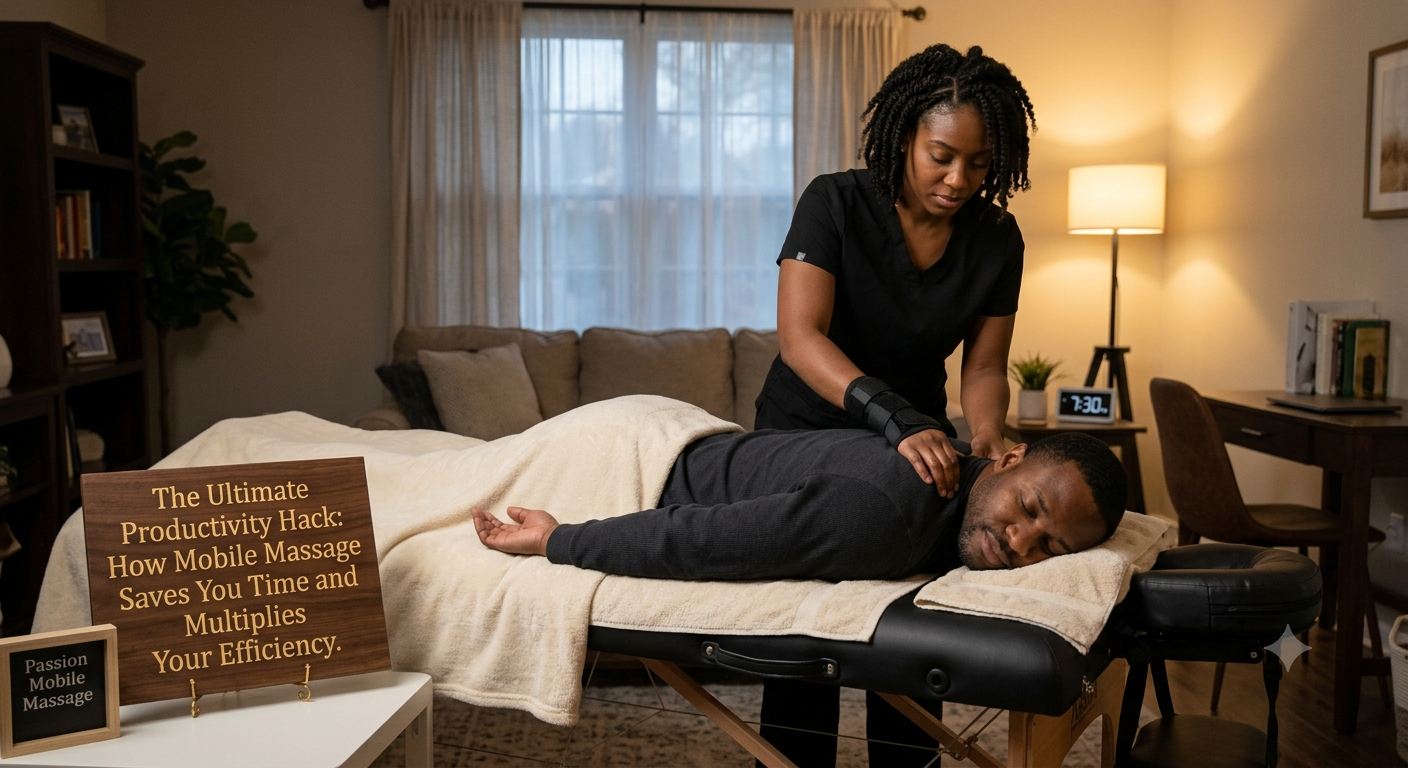
Massage cannot directly reset your circadian rhythm. However, it may support some of the habits and experiences that make a healthy sleep routine easier to maintain.A massage session can provide time away from work, screens, and other demands. Many people find massage soothing, and some research suggests it may improve certain subjective sleep outcomes in particular populations. However, the quality of evidence varies, and massage should not be considered a guaranteed treatment for sleep problems.Here are three ways massage may fit into your routine.
A. Encouraging physical relaxation
After a demanding day, your shoulders may feel tight, your back may be uncomfortable, or your muscles may feel tense.Depending on the technique and individual circumstances, massage may help reduce the feeling of muscular tension and encourage a more relaxed state.When your body feels more comfortable, settling down for the evening may become easier.
B. Creating a transition between work and rest
One of the challenges of modern life is that work can continue mentally long after the working day has ended.You may finish a meeting but continue thinking about the discussion. You may close your laptop but remain concerned about unfinished tasks.A massage appointment can create a deliberate pause between the demands of the day and your personal time.That pause may be especially valuable when the daylight saving transition has already made your usual routine feel unfamiliar.
C. Supporting a calming bedtime routine
A predictable evening routine can help you prepare for sleep.For some people, that routine includes a warm shower, gentle stretching, reading, dimming the lights, or a relaxing massage scheduled earlier in the evening.Massage may be one enjoyable part of this process, provided the appointment does not delay bedtime or make your schedule more complicated.It is worth remembering that feeling relaxed is not the same as having your body clock fully adjusted. Daylight exposure, sleep timing, and consistency remain important.
4. How to Use Massage as Part of Your Sleep Routine
If you enjoy massage, you can incorporate it into a broader plan for managing the daylight saving transition.The objective is not to depend on massage to make you sleep. Instead, use it as one component of a routine that supports comfort and relaxation.
Choose a suitable time
Consider scheduling your massage at a time when you can relax afterward rather than rushing into another demanding activity.Some people prefer an early-evening session, while others find a daytime appointment more convenient.There is no universally established ideal time for massage to improve sleep. Choose a time that suits your routine and allows you to maintain a consistent bedtime.
Communicate your preferences
Let your therapist know whether you prefer gentle, relaxation-focused techniques or firmer pressure.If your goal is to unwind, you do not necessarily need an intense treatment. More pressure is not always better, and deep tissue massage can cause temporary soreness in some people.
Create a calm environment
If you are receiving a mobile massage at home, prepare a comfortable, quiet space with suitable lighting and enough room for the equipment.After the session, you might continue your evening routine with a light activity such as reading or listening to calm music.
Keep your sleep schedule consistent
Do not rely on massage to compensate for regularly going to bed too late.Aim for a consistent bedtime and wake-up time, including on weekends where practical. Most adults need at least seven hours of sleep per night, although individual needs vary.A relaxing massage can complement good sleep habits, but it cannot replace adequate sleep.
5. Reset Your Body Clock With Morning Light and Consistent Timing

If you want to adjust more comfortably to daylight saving time, light exposure and routine are among the most useful factors to consider.
Get daylight at an appropriate time
Exposure to natural light helps your internal clock align with the local day-night cycle.After the spring change, getting outdoor light in the morning can help reinforce the new wake-up schedule.The exact timing of light exposure can matter, particularly for people who have significant circadian rhythm difficulties. If you have a diagnosed sleep disorder or need a precise light-based plan, consult a qualified healthcare professional.
Gradually adjust your schedule
If you know the clock change is approaching, consider shifting your bedtime and wake-up time by around 10–15 minutes per day over several days.This gradual approach can make the change feel less abrupt for some people.For example, if you need to wake up earlier after the spring transition, you could begin moving your schedule earlier before the change occurs.
Avoid bright light late at night
Bright light in the evening, especially from screens held close to your face, can delay the body's natural preparation for sleep in some circumstances.Consider dimming lights as bedtime approaches and reducing stimulating screen use during the final part of your evening.The goal is to establish a clear difference between daytime activity and nighttime rest.
Keep meals and exercise reasonably consistent
Your daily routine provides additional timing signals.Regular meal times, appropriate physical activity, and predictable evening habits may help you settle into your new schedule.You do not need a perfect routine. Consistency over time is more important than attempting to change everything at once.
6. The Connection Between Sleep, Muscle Tension, and Energy

Sleep and physical comfort are closely connected, although the relationship is complex.After a poor night's sleep, you may feel more sensitive to discomfort, less motivated to move, or less able to cope with everyday stress.At the same time, physical discomfort may make it harder to find a comfortable sleeping position or remain asleep.This can create a frustrating cycle: poor sleep leaves you feeling tense and tired, while discomfort makes restful sleep more difficult.Massage may help some people manage the feeling of muscular tension, which can make it a useful addition to a broader relaxation routine.However, persistent pain or recurring sleep disruption deserves more attention than a massage appointment alone can provide.
What can you do during the adjustment period?
- Take regular movement breaks if you spend long periods sitting.
- Try gentle stretching if it is comfortable and appropriate for you.
- Maintain adequate hydration throughout the day.
- Avoid excessive caffeine, particularly later in the day.
- Make your bedroom comfortable, quiet, and suitably dark.
- Consider massage if you enjoy it and it fits your needs.
If pain is severe, unexplained, worsening, or associated with other concerning symptoms, seek medical advice rather than relying on massage.
7. Why Mobile Massage Can Be Convenient When Your Routine Changes

When sleep and energy levels feel unsettled, adding more activities to your schedule may not be appealing.You may already be managing work, family commitments, exercise, and changing wake-up times.This is where mobile massage can offer a practical advantage.Rather than travelling to a separate spa, you can enquire about arranging a massage at home or another suitable location, subject to the provider's availability and service area.
Fewer arrangements to manage
If you already have a busy day, a mobile appointment can remove the need for a separate journey.That may help you preserve time for your regular evening routine.
A familiar environment
Some people prefer receiving massage in a familiar space where they can control the lighting, temperature, and level of noise.A suitable home environment may make it easier to relax before returning to normal evening activities.
Flexible service options
Depending on availability, you may be able to choose a massage format that suits your needs and preferences.A relaxation-focused Swedish massage, for example, may appeal to someone seeking a calming experience, while other people may prefer different techniques.Always discuss your preferences and relevant health concerns with the therapist before treatment.At Passion Mobile Massage, our mobile approach is designed to make massage more convenient for clients who want to fit relaxation into their lives without adding an unnecessary trip.
8. A Practical Seven-Day Plan to Restore Your Sleep and Energy
If the clock change has disrupted your routine, avoid trying to fix everything in one night. A gradual, consistent approach is often more manageable.Here is a simple seven-day plan you can adapt to your circumstances. *Set a realistic sleep schedule
Choose a consistent bedtime and wake-up time. If possible, start adjusting gradually before the clock change.*Get suitable daylight
Spend some time outdoors in the morning, where practical, and maintain a regular wake-up time.*Review your caffeine habits
Avoid relying on late-afternoon or evening caffeine to overcome tiredness. Notice how it affects your sleep.*Add gentle movement
Take a walk or try comfortable stretching. Break up long periods of sitting during the day.*Create an evening wind-down routine
Dim the lights, reduce stimulating activities, and choose something calming to do before bed.*Make room for relaxation
If you enjoy massage, consider arranging a suitable session as part of your relaxation routine.*Review your progress
Notice whether your sleep timing, alertness, and daily routine feel more comfortable. Continue helpful habits rather than expecting an instant reset.This plan is a general guide, not a medical treatment protocol. You may need more time to adjust, especially if you work shifts, have an irregular schedule, or already experience sleep difficulties.If significant sleep problems continue, consult a healthcare professional.
9. Which Massage Is Best for Relaxation During Daylight Saving Time?

There is no single massage technique that is best for everyone. Your preferences, health circumstances, and treatment goals should guide the choice.
Swedish massage
Swedish massage uses techniques such as gliding strokes and kneading and is commonly selected for general relaxation.It may be a suitable option if you want a calming massage experience as part of your evening or weekend self-care routine.
Deep tissue massage
Deep tissue massage uses firmer, more focused techniques to address deeper layers of muscle and connective tissue.It may suit some people who prefer stronger pressure, but it is not necessarily the best choice when your main goal is to unwind. Discuss pressure preferences with your therapist, and do not tolerate painful techniques simply because you expect them to be more effective.
Gentle relaxation massage
A gentle massage may be preferable if you are feeling tired and simply want a comfortable, soothing experience.The therapist can discuss the pressure and techniques that may be appropriate for you.
Specialised massage
Other massage options may be available depending on the provider's training and your individual needs.Specialised treatments should only be performed by appropriately trained practitioners, with additional precautions where necessary.Whatever technique you choose, remember that massage can support relaxation but has not been established as a direct method of resetting the body's circadian clock.
10. When Sleep Problems Need More Than Massage
Temporary changes in sleep and energy after daylight saving time are not unusual. However, persistent or severe symptoms should not automatically be blamed on the clock change.Consider speaking with a healthcare professional if you experience:
- Ongoing difficulty falling asleep or staying asleep.
- Excessive daytime sleepiness that affects work or daily activities.
- Loud snoring accompanied by gasping or pauses in breathing.
- Persistent low energy despite allowing enough time for sleep.
- Significant mood changes or difficulty concentrating.
- Sleep problems that continue for several weeks or regularly return.
These symptoms may have causes unrelated to daylight saving time, including sleep disorders, medication effects, or other health conditions.Massage may still be part of a person's general wellness routine when appropriate, but it should not replace diagnosis or treatment.If you are extremely sleepy, avoid driving or operating machinery until you are alert enough to do so safely.
11. Make Relaxation Part of Your Routine With Passion Mobile Massage

Your body needs time, consistency, and appropriate daily habits to adjust when your sleep schedule changes.Although you cannot control every aspect of your circadian rhythm, you can create conditions that support rest: a predictable sleep schedule, suitable light exposure, regular movement, and a calmer evening routine.Massage can be one additional way to make time for physical comfort and relaxation.At Passion Mobile Massage, we understand that modern life can leave little room for personal care. Work deadlines, family responsibilities, travel, and changing routines can make it difficult to prioritise yourself.Our mobile massage approach brings massage experiences to suitable locations, helping you explore relaxation without needing to make a separate journey to a spa.If you are interested in incorporating massage into your wellness routine, consider the following before making an enquiry:
- Your preferred massage style.
- Your location and preferred appointment time.
- The amount of time you can comfortably set aside.
- Any relevant health concerns or treatment preferences.
- Whether your home or chosen venue is suitable for a professional massage.
We can discuss available options and the arrangements appropriate to your location.To learn more about our services, visit Passionmobilemassage.com.Give yourself permission to slow down, enjoy a moment of relaxation, and build habits that support your well-being throughout the year.
Frequently Asked Questions About Daylight Saving Time, Sleep, and Massage
1. Can massage reset my body clock after daylight saving time?
No. Massage has not been established as a direct way to reset the circadian rhythm. It may help promote relaxation, while consistent sleep timing and appropriately timed light exposure are more directly relevant to adjusting your body clock.
2. Can massage help me sleep better?
Some people find massage relaxing, and research suggests possible benefits for subjective sleep quality in certain groups. However, results vary, and massage is not a guaranteed treatment for insomnia or other sleep disorders.
3. How long does it take to adjust to daylight saving time?
Many people adjust over several days, although the timing varies. Your usual sleep schedule, exposure to daylight, work pattern, and individual biology can influence how quickly you adapt.
4. Is massage better in the morning or evening?
There is no universally proven best time for massage to improve sleep. Choose a time that allows you to relax comfortably without disrupting your regular sleep schedule.
5. What is the best massage for relaxation?
Swedish massage and gentle relaxation-focused treatments are common options. The best choice depends on your preferences, health circumstances, and the practitioner's recommendations.
6. Can mobile massage help busy professionals maintain a wellness routine?
Mobile massage may make relaxation more convenient by bringing the service to a suitable location. It can remove a separate journey, although it should complement rather than replace healthy sleep and activity habits.
7. Should I drink more coffee if daylight saving time makes me tired?
Caffeine can temporarily increase alertness, but excessive or late-day consumption may interfere with sleep. Consider moderate use earlier in the day and prioritise adequate sleep.
8. What if I still feel tired after a week?
Some people need longer to adjust. If fatigue is severe, persists despite adequate sleep, or interferes with daily activities, seek medical advice rather than assuming daylight saving time is the only cause.
9. Does daylight saving time affect everyone equally?
No. Some people notice very little change, while others experience more noticeable disruption. Individual sleep patterns, work schedules, health, and light exposure all contribute.
10. How can I book a massage with Passion Mobile Massage?
Visit Passionmobilemassage.com to enquire about available treatments, service locations, and suitable appointment times.
Conclusion: Support Your Body's Adjustment With Better Habits and Relaxation
When the clocks change, your body may need time to catch up.You may feel tired in the morning, less energetic in the afternoon, or less ready for sleep at your usual bedtime. These changes can be frustrating, especially when work and family responsibilities continue as normal.The most helpful approach is to support your body's natural timing with consistent sleep habits, appropriate daylight exposure, regular movement, and a calming evening routine.Massage can complement these habits by offering an opportunity to unwind, reduce the feeling of muscular tension, and make personal relaxation a deliberate part of your schedule.It is not a substitute for adequate sleep, and it cannot guarantee that your body clock will adjust faster. But when you enjoy massage, it can be a valuable part of a broader commitment to well-being.At Passion Mobile Massage, we believe taking care of yourself should not require adding unnecessary complications to your day.Ready to make relaxation part of your routine?Visit Passionmobilemassage.com to enquire about mobile massage services and discover a convenient way to make room for personal care.Passion Mobile Massage — bringing relaxation closer to you.
