Fall Muscle Tension: Why Cooler Weather Makes Your Body Tighter
Introduction: Why Does Your Body Feel Tighter When the Weather Gets Cooler?
Have you ever noticed that as the weather becomes cooler, your shoulders feel tighter, your neck becomes stiff, or your back seems less comfortable than usual?Perhaps you wake up feeling less flexible in the morning. Maybe your muscles feel tense after sitting at your desk, walking outdoors, or spending a long day working. You may even notice yourself hunching your shoulders or curling your body inward when the temperature drops.If this sounds familiar, you are not alone.Changes in weather can influence how people experience muscle stiffness, joint discomfort, and general physical comfort. Although cooler temperatures do not automatically cause muscle pain, they can contribute to the sensation of tightness in some people, particularly when combined with reduced physical activity, prolonged sitting, changes in daily routines, or existing musculoskeletal conditions.As autumn arrives in regions that experience distinct seasons, people often spend more time indoors, move less, and alter their exercise habits. These changes may affect how their bodies feel.The good news is that there are practical ways to respond. Gentle movement, appropriate clothing, regular stretching, adequate rest, and a balanced self-care routine can help you stay comfortable as temperatures change. Massage may also be a useful option for people who enjoy hands-on relaxation and want to address the feeling of muscular tension.At Passion Mobile Massage, we believe that taking care of your body should fit naturally into your lifestyle. Mobile massage offers a convenient way to enjoy a professional massage experience at a suitable location, helping you make relaxation part of your routine.In this guide, we will explore why cooler weather may make your body feel tighter, which areas are commonly affected, what you can do to stay comfortable, and how massage may fit into your seasonal wellness routine.
1. Does Cooler Weather Really Make Your Muscles Tighter?

The relationship between temperature and muscle stiffness is more complicated than simply saying that cold weather makes muscles contract.Your muscles, joints, tendons, nerves, and surrounding tissues work together to help you move. How comfortable and flexible you feel depends on several factors, including physical activity, tissue health, posture, sleep, stress, and environmental conditions.When temperatures drop, some people notice increased stiffness or discomfort. Others experience very little change.Cooler conditions may contribute to the sensation of stiffness in several ways.
Your body may respond to cold by reducing heat loss
When you are exposed to cold, your body works to maintain its internal temperature. Blood vessels near the skin can narrow, a process called vasoconstriction, which helps reduce heat loss.You may also shiver when you become sufficiently cold. Shivering involves repeated muscle contractions that generate heat.These responses are part of normal temperature regulation. However, they do not mean that every episode of muscle tightness is caused directly by reduced blood flow or cold-induced muscle contraction.
Cold surroundings can affect how movement feels
When you are cold, getting out of bed, beginning a workout, or moving after sitting for a long time may feel less comfortable.Your body may simply need more time to warm up through gentle movement.If you are also less active during cooler months, you may notice stiffness more frequently because your muscles and joints are moving through a smaller range of motion throughout the day.
Existing conditions can influence your experience
People with certain joint or musculoskeletal conditions sometimes report that their symptoms vary with weather changes. The reasons are not fully understood, and research does not establish that cooler temperatures cause every increase in pain or stiffness.If you already experience recurring neck discomfort, back pain, arthritis symptoms, or other musculoskeletal problems, changes in your routine and environment may affect how you feel.The important lesson is that cooler weather may be one contributing factor, but it is not the only possible explanation for muscle tension.
2. Five Reasons Your Body May Feel Tighter During Cooler Weather

Understanding the habits and environmental factors that accompany seasonal changes can help you identify practical ways to improve your comfort.
Reason 1: You may be moving less
When the weather is uncomfortable, people often reduce outdoor activities.You might skip your usual walk, postpone exercise, spend more time watching television, or remain at your desk for longer periods.Although rest is important, extended inactivity can leave you feeling stiff when you eventually stand up or begin moving again.Your body generally benefits from regular movement throughout the day. Walking, gentle mobility exercises, and suitable stretching help maintain your ability to move comfortably.What you can do: Set a reminder to stand up and move around periodically. Take short walks indoors, perform gentle shoulder rolls, or stretch your legs after prolonged sitting.You do not need an intense workout every time you feel stiff. Often, beginning with comfortable, low-intensity movement is a sensible approach.
Reason 2: You may unconsciously tense your shoulders and neck
When people feel cold, they may raise their shoulders, tighten their arms against their bodies, or hunch forward.This posture can become more pronounced when walking outdoors, sitting in an uncomfortably cool room, or working in an environment with air conditioning.If you maintain these positions for extended periods, your neck and shoulder muscles may begin to feel tired or tense.The problem can become more noticeable when you also spend long hours using a laptop or mobile phone.What you can do: Dress appropriately for the temperature, keep your workspace comfortable, and check your posture throughout the day.Relax your shoulders away from your ears, change positions regularly, and take brief movement breaks.If the tension persists or becomes painful, consider seeking professional advice rather than assuming temperature is the only cause.
Reason 3: Your warm-up routine may be too short
Muscles often feel more comfortable after you have gradually increased your activity level.If you move directly from sitting in a cool room to vigorous exercise, you may feel less prepared for the activity.This does not mean you must avoid exercise in cooler weather. Instead, give yourself time to increase your movement intensity gradually.What you can do: Begin with five to ten minutes of gentle movement, such as walking or easy mobility exercises, before more demanding physical activity.The appropriate warm-up depends on your age, fitness level, activity, and health circumstances. The aim is to prepare gradually rather than force your body into sudden, intense movement.
Reason 4: Your daily routine may change
Seasonal changes can influence sleep schedules, work habits, exercise patterns, and social activities.You may travel more, spend longer hours indoors, sit through additional meetings, or become less consistent with your normal wellness routine.These changes can affect your comfort even if the weather itself is not directly responsible.For example, a person who usually walks for thirty minutes every morning may become less active during a period of cold or rainy weather. Over time, reduced movement may contribute to a feeling of stiffness.What you can do: Maintain realistic habits that work in your current environment. If outdoor exercise becomes less convenient, consider indoor walking, gentle home workouts, or movement breaks during the workday.Consistency is more important than building a perfect seasonal routine.
Reason 5: Stress and poor sleep may add to muscle tension
Seasonal changes can coincide with demanding work schedules, financial concerns, family responsibilities, or disrupted sleep.Stress may contribute to muscle tension, particularly around the neck, jaw, and shoulders. Poor sleep can also make discomfort more difficult to manage.When several factors occur together, you may feel tighter than usual even if the temperature change is relatively modest.What you can do: Protect your sleep routine where possible, make time for relaxation, and practise simple breathing exercises or other calming activities that work for you.Massage may be an enjoyable addition to your routine if you find it relaxing. However, persistent stress, significant sleep problems, or ongoing pain may require additional support.
3. Which Areas of the Body Commonly Feel Tight in Cooler Weather?
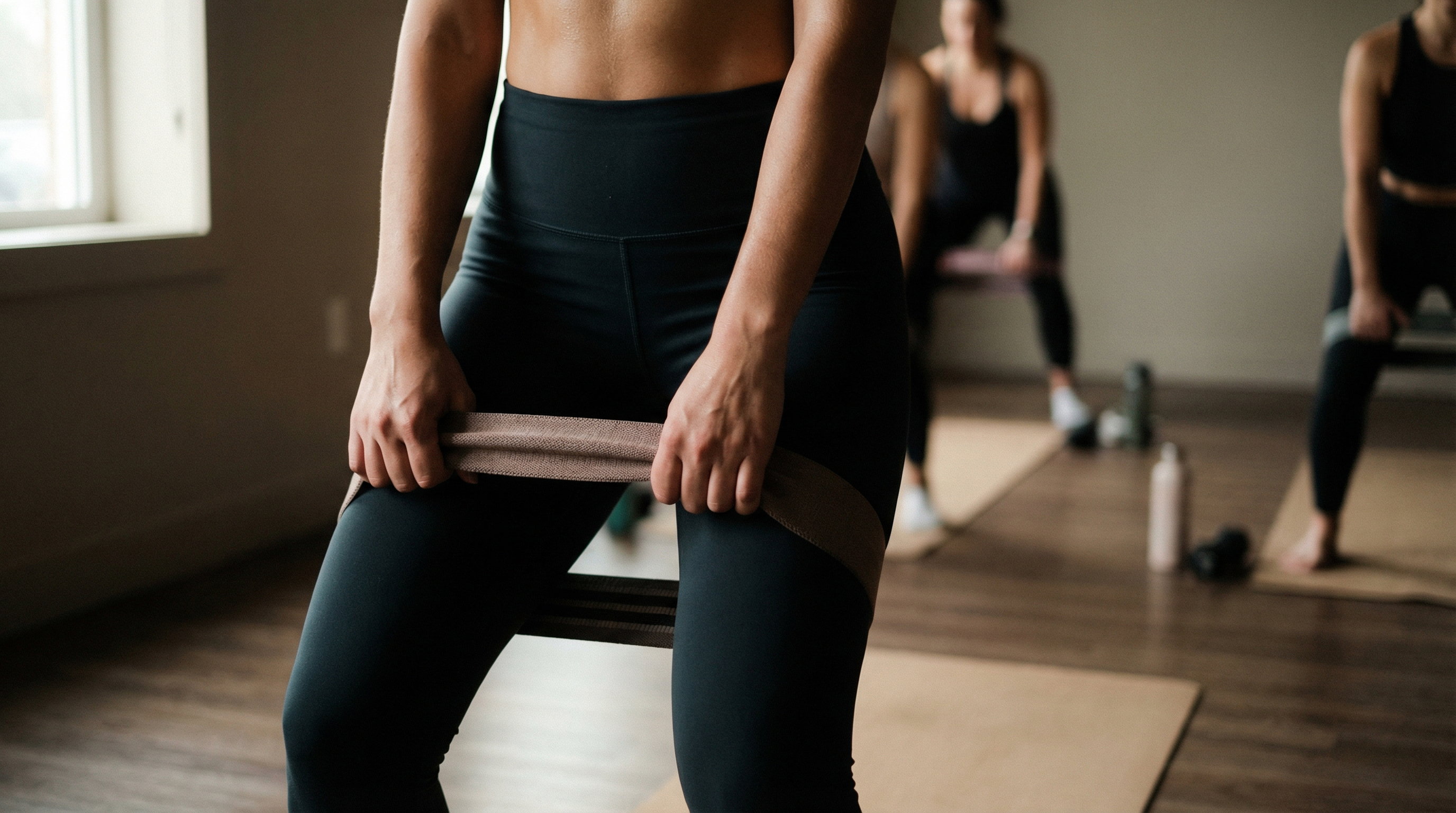
Although muscle stiffness can occur throughout the body, several areas often deserve attention because of how frequently we use them and the positions we maintain during everyday activities.
Neck and shoulders
The neck and shoulders help support and position your head while you work, drive, walk, and use electronic devices.Long periods of looking down at a phone or sitting at a computer can contribute to discomfort. If you also tense your shoulders when cold, the sensation of tightness may become more noticeable.Gentle neck movements, relaxed shoulder rolls, appropriate clothing, and regular posture changes may help.Avoid forcing your neck into uncomfortable positions or applying aggressive stretching to an area that is painful.
Upper and lower back
Back discomfort can be influenced by prolonged sitting, repetitive lifting, physical inactivity, and other factors.During cooler periods, you might spend more time sitting indoors or adopt a curled-forward posture when trying to stay warm.Taking movement breaks, adjusting your chair and desk, and including appropriate activity in your day may help reduce discomfort associated with prolonged static positions.Massage may help some people experience short-term relief from certain types of musculoskeletal discomfort, but it is not a substitute for assessing persistent or unexplained back pain.
Hips and legs
If you walk less or sit for longer periods, your hips and legs may feel stiff when you stand up.Gentle walking, comfortable hip movements, and appropriate lower-body mobility exercises can help you ease into activity.If you experience significant swelling, severe pain, weakness, or sudden changes in your ability to walk, seek medical assessment rather than trying to massage the symptoms away.
Hands and forearms
Cool temperatures can make your hands feel cold and uncomfortable. Repetitive computer work, phone use, and gripping activities may also contribute to forearm or hand discomfort.Keeping your hands warm, taking breaks from repetitive activities, and performing gentle hand movements may improve comfort.Persistent numbness, tingling, weakness, or loss of coordination deserves medical attention.
4. How Massage May Help With Seasonal Muscle Tension
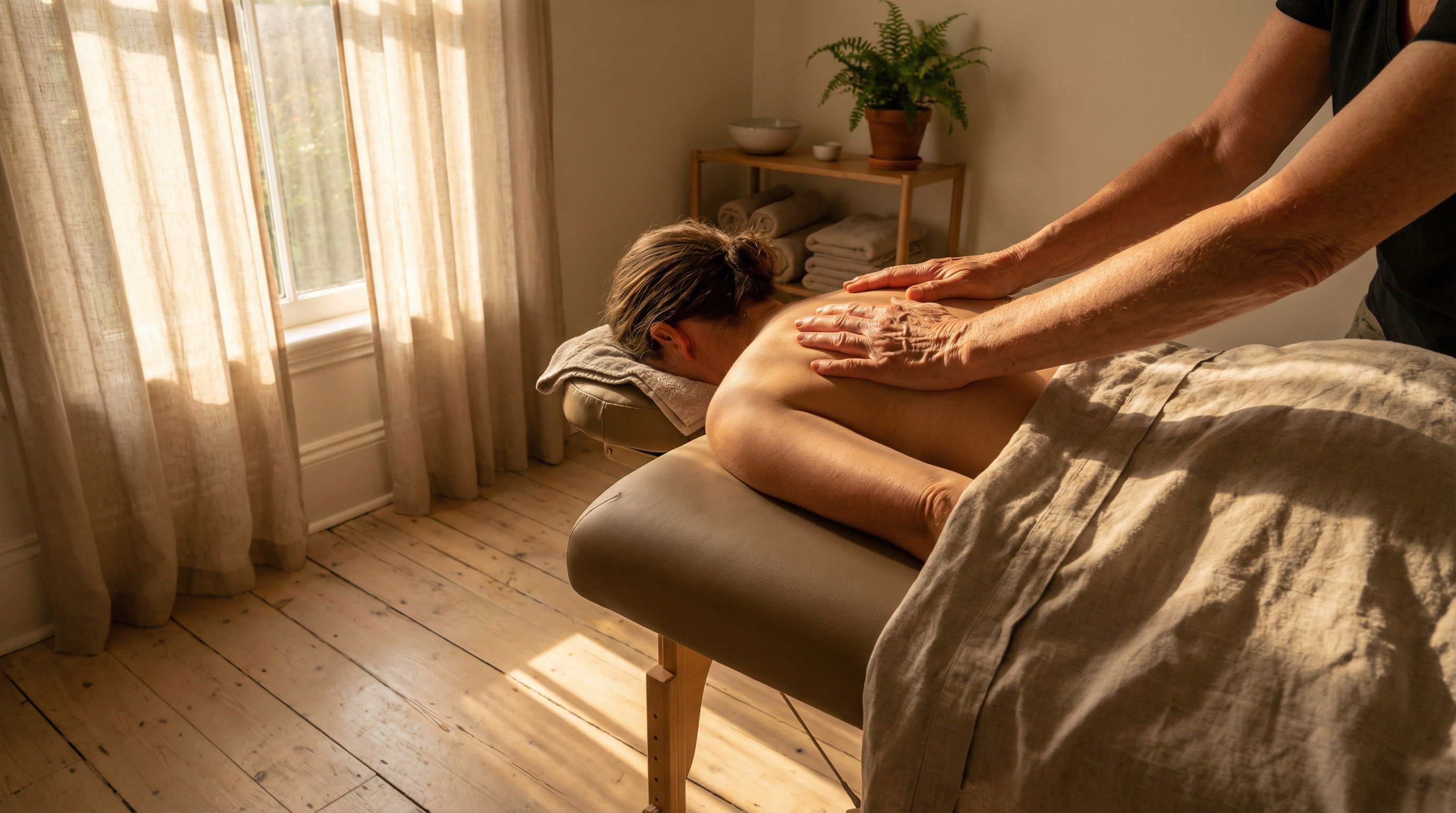
Massage is widely used to promote relaxation and help people manage the feeling of muscular tension.For some people, a professional massage provides a welcome break from demanding routines and creates an opportunity to focus on physical comfort.Its effects vary, and massage should not be regarded as a guaranteed solution for every type of muscle stiffness.
Massage can encourage relaxation
A calm environment, attentive touch, and a comfortable treatment can help some people feel more relaxed.When you have been dealing with deadlines, travel, or extended periods of work, taking time away from those demands may be valuable in itself.
Massage may provide short-term relief from some discomfort
Research suggests that massage may help some people with certain types of musculoskeletal pain, although the strength and duration of the benefits vary according to the condition and the evidence available.It is important to identify the reason for your discomfort before assuming that massage is the appropriate treatment.If you have unexplained pain, a recent injury, or symptoms that are worsening, seek appropriate professional assessment.
Massage can complement an active self-care routine
Massage works best as one part of a broader approach to well-being rather than a replacement for regular movement, suitable exercise, sleep, and other appropriate care.If your muscles feel tight after long periods of sitting, for example, massage may help you relax, but changing your work habits and moving more frequently are also important.At Passion Mobile Massage, our mobile approach is designed to make massage more convenient for people who want to incorporate relaxation into their everyday lives.
5. Which Massage Is Best for Tight Muscles in Cooler Weather?
There is no single massage technique that is best for everyone.The right option depends on your preferences, the nature of your discomfort, your health circumstances, and the treatment your practitioner is qualified to provide.Here are some options to discuss with a suitable massage provider.
Swedish massage for relaxation
Swedish massage commonly uses flowing strokes, kneading, and other techniques associated with a relaxation-focused experience.It may suit people who want a gentle or moderate-pressure massage after a demanding week.If your primary goal is to unwind and enjoy a comfortable treatment, this may be an option to consider.
Deep tissue massage for focused muscular work
Deep tissue massage uses firmer, more focused techniques to work on deeper layers of muscle and connective tissue.Some people prefer this approach, particularly when seeking focused attention on areas of muscular tension.However, stronger pressure is not automatically more effective. Deep tissue massage can cause temporary soreness and may be inappropriate for certain injuries or health conditions.Discuss your preferences with the therapist and communicate immediately if the pressure feels uncomfortable.
Hot stone massage for a warming experience
Hot stone massage uses appropriately heated stones as part of the treatment.Some people enjoy the sensation of warmth during a massage, particularly when they feel cold or want a soothing experience.However, the temperature must be carefully controlled to reduce the risk of burns. Hot stone massage may be unsuitable for people with certain conditions affecting sensation, circulation, or skin health.Choose a properly trained practitioner and tell them about any relevant health concerns.
Relaxation massage for everyday tension
A general relaxation-focused massage may be appropriate if you want to take a break, feel more comfortable, and enjoy a calming experience.The practitioner can discuss the pressure and areas of focus with you before the session.Remember that a massage does not need to be intense to be worthwhile. Comfort, consent, and suitability matter more than pressure.
6. Seven Practical Ways to Keep Your Muscles Comfortable as Temperatures Drop

Massage can be part of a seasonal wellness routine, but everyday habits are equally important.Here are seven practical steps you can start using.
1. Keep your body comfortably warm
Wear clothing appropriate for the weather and avoid remaining in a cold environment longer than necessary.If your workspace feels chilly, consider additional layers or other appropriate ways to improve comfort.Warmth may make movement feel more comfortable, although it does not address every cause of muscle stiffness.
2. Move regularly throughout the day
If you spend long hours sitting, stand up periodically and move around.Walk indoors, stretch gently, or perform comfortable mobility exercises.Frequent movement can be more manageable than waiting until the end of the day to exercise.
3. Warm up before demanding activities
Begin exercise or physical work gradually.A gentle warm-up helps prepare you for the movements you are about to perform. Increase intensity progressively, and stop if you experience unusual pain, dizziness, or other concerning symptoms.
4. Maintain a suitable hydration routine
Drink fluids regularly according to your needs and circumstances.People sometimes pay less attention to hydration when the weather is cooler because they may not feel as thirsty as they do in hot conditions.Adequate fluid intake supports normal body function, although drinking extra water is not a guaranteed treatment for muscle tension.
5. Review your posture and workspace
Check whether your desk, chair, screen, or work habits encourage prolonged uncomfortable positions.Adjust your setup where possible and vary your posture throughout the day.No single posture is perfect for every person, and changing positions regularly can be more useful than trying to remain rigidly upright for hours.
6. Prioritise rest and sleep
Sleep supports recovery and general well-being.Maintain a reasonably consistent bedtime where possible, create a comfortable sleep environment, and avoid allowing work or screen time to consume every available evening.If you consistently wake with pain or stiffness, consider whether your sleeping position, mattress, activity level, or another issue may be contributing.
7. Make time for relaxation
Relaxation can take many forms, including reading, listening to music, gentle stretching, breathing exercises, spending time outdoors when conditions are suitable, or enjoying a massage.Choose activities you genuinely enjoy and can sustain.If a mobile massage fits your preferences, arranging a session at home may make it easier to protect that time without adding another journey to your schedule.
7. Why Mobile Massage Can Be Convenient When Your Body Feels Tight
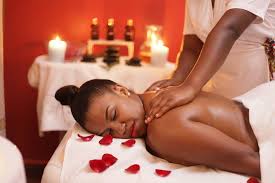
When you feel stiff after a demanding day, the last thing you may want is another journey.You might already have spent hours commuting, sitting at a desk, working on your feet, or completing household responsibilities.Mobile massage offers an alternative by bringing a professional massage experience to an agreed location, subject to the provider's service area and availability.
Enjoy a massage at a suitable location
Depending on the arrangements, you may be able to receive a massage at home or in suitable accommodation.This can be helpful if you prefer a familiar environment or want to avoid travelling to a separate treatment facility.
Fit relaxation around your schedule
Busy professionals, parents, entrepreneurs, and travellers may find it easier to arrange an appointment around their existing commitments.The availability of particular dates, times, and treatment types will depend on the provider.
Create a comfortable environment
Before your appointment, prepare a suitable space with enough room for the massage equipment and therapist to work safely.A clean, comfortable, reasonably quiet room can help make the experience more relaxing.Communicate your preferences and any relevant health concerns before treatment begins.
Choose a suitable treatment
If you are experiencing muscular tension, explain where you feel it and when it tends to occur.A qualified practitioner can discuss appropriate options within their training and scope of practice.If the cause of your symptoms is unclear or you have signs of a potentially serious condition, seek medical advice before proceeding with massage.At Passion Mobile Massage, the goal is to make massage more convenient for people who want to include relaxation in their routine.
8. When Muscle Tightness May Require Medical Attention
Although occasional stiffness is common, not every episode of muscle tension should be attributed to cooler weather.Pain and stiffness can arise from injuries, nerve problems, joint conditions, infections, circulation problems, and other medical issues.Massage is not appropriate for every cause.Seek urgent medical care if muscle symptoms occur alongside warning signs such as chest pain, difficulty breathing, sudden weakness, significant loss of coordination, or severe and rapidly worsening pain.You should also seek prompt medical assessment for a newly swollen, warm, painful limb, particularly if one leg is affected more than the other, because a blood clot is one possible cause.Consult a healthcare professional if stiffness persists, repeatedly interferes with everyday activities, follows an injury, or occurs with fever, unexplained swelling, numbness, or weakness.If you have a known medical condition, recent surgery, a bleeding disorder, a history of blood clots, or another concern that could affect treatment safety, discuss massage with an appropriate healthcare professional before booking.A responsible approach to wellness means recognising when self-care is suitable and when a symptom needs further investigation.
9. Build a Simple Cooler-Weather Wellness Routine
You do not need an elaborate programme to support your comfort when temperatures change.A realistic routine can combine warmth, movement, rest, and relaxation.In the morning: Allow a few minutes for gentle movement before beginning demanding activities. Walk around, roll your shoulders comfortably, and move your hips and ankles through a comfortable range.During work: Change positions regularly. If you spend a long time at a desk, take short movement breaks and avoid remaining in one position for hours without interruption.After work: Choose a suitable activity that helps you transition out of work mode. This might be a walk, a warm shower, gentle stretching, or a relaxation activity you enjoy.In the evening: Protect time for rest. Avoid filling every available moment with additional tasks.When needed: Consider a suitable massage appointment if you enjoy massage and want to include it in your self-care routine.The aim is not to eliminate every sensation of stiffness. It is to build habits that support comfortable movement and help you respond appropriately when discomfort occurs.
10. How Passion Mobile Massage Can Support Your Wellness Routine
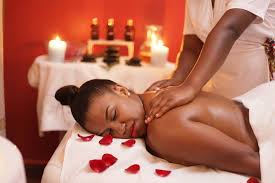
At Passion Mobile Massage, we understand that convenience matters when you are balancing work, family, travel, and personal responsibilities.Our mobile massage approach is designed to bring massage experiences closer to clients, helping them explore suitable treatments at home or another appropriate location.If cooler weather, long working hours, or a demanding routine have left you wanting a little time to relax, you may wish to enquire about an appointment that suits your preferences and circumstances.Before booking, consider:
- Your location: Confirm that mobile massage is available in your area.
- Your preferred treatment: Ask about suitable relaxation-focused or other available massage options.
- Your schedule: Share your preferred date and time.
- Your comfort: Explain your preferred pressure and any areas you would like the therapist to avoid.
- Your health circumstances: Disclose relevant concerns and seek appropriate medical advice when necessary.
Massage should be comfortable, consensual, and tailored to the individual within the practitioner's training and scope of practice.To explore available services and make an enquiry, visit Passionmobilemassage.com.Whether you want to enjoy a relaxing massage after a long week or simply make more time for personal care, Passion Mobile Massage can help you explore convenient options, subject to availability and service coverage.
Frequently Asked Questions About Fall Muscle Tension and Massage
1. Why do my muscles feel tighter when the weather gets colder?
Cooler temperatures may contribute to the sensation of stiffness, but other factors often play a role, including reduced movement, prolonged sitting, changes in posture, stress, and existing health conditions. Not everyone experiences the same response to temperature changes.
2. Does cold weather directly cause muscle pain?
Not necessarily. Cold weather may influence comfort and movement, but muscle pain can have many causes. Persistent or unexplained pain should not automatically be attributed to temperature.
3. Can massage help with muscle tension in autumn?
Massage may help some people relax and experience short-term relief from certain types of muscular discomfort. Results vary, and massage is not suitable for every condition.
4. Is deep tissue massage best for tight muscles?
No. Deep tissue massage is only one option and may not be appropriate for everyone. A gentler relaxation-focused massage may be more suitable depending on your preferences, health, and symptoms.
5. Can hot stone massage help me feel warmer?
Hot stone massage incorporates warmth that some people find soothing. It must be performed by a suitably trained practitioner who controls stone temperature carefully. It may be inappropriate for some health conditions.
6. What can I do at home to relieve everyday stiffness?
Try gentle movement, regular walking, comfortable stretching, suitable clothing, warm surroundings, and breaks from prolonged sitting. Stop activities that cause significant or unusual pain.
7. How often should I get a massage for muscle tension?
There is no single schedule that suits everyone. Frequency depends on your preferences, symptoms, budget, health circumstances, and response to treatment. Discuss an appropriate approach with your practitioner.
8. Is mobile massage suitable for busy professionals?
It may be convenient for people who prefer to receive a massage at home or another suitable location rather than travel to a spa. Availability depends on the provider's service area and schedule.
9. Should I get a massage if I have severe muscle pain?
Not without first understanding the cause. Severe, sudden, worsening, or unexplained pain may require medical assessment. Massage should not delay appropriate care.
10. How do I enquire about a massage with Passion Mobile Massage?
Visit Passionmobilemassage.com to enquire about services, availability, and locations. Explain your preferences and any relevant concerns so the appropriate options can be discussed.
Conclusion: Stay Comfortable, Keep Moving, and Make Time to Relax
When the weather becomes cooler, it is understandable to notice changes in how your body feels.Your shoulders may feel tense after a long day. Your back may feel stiff after sitting for hours. Getting moving in the morning may take a little longer than usual.These experiences can have several causes, and cooler temperatures are only one possible contributing factor.The good news is that small, consistent habits can help you respond. Dress appropriately, move regularly, warm up before demanding activity, maintain a comfortable workspace, prioritise rest, and make room for relaxation.Massage may also be a useful addition to your wellness routine if you enjoy it and it is suitable for your circumstances.You do not have to wait until discomfort becomes overwhelming before paying attention to your body. At the same time, persistent or concerning symptoms deserve proper assessment rather than being dismissed as seasonal stiffness.At Passion Mobile Massage, we believe that making relaxation convenient can help people create more room for personal care.Ready to make relaxation part of your routine?Visit Passionmobilemassage.com to enquire about mobile massage services and explore an option that suits your location and preferences.Passion Mobile Massage — bringing relaxation closer to you.
