How to Choose the Right Mobile Massage Modality for Your Specific Body Pain
We live in an era of specialized pain. The modern lifestyle—defined by long hours hunched over laptops, repetitive phone scrolling, text neck, and high psychological stress—manifests as distinct, stubborn physical ailments. For some, it is a sharp, burning knot underneath the shoulder blade; for others, a dull, aching tightness in the lower back or a throbbing tension headache at the base of the skull.When body pain compromises your focus, mood, and sleep, booking a mobile massage is the most efficient path to relief. By eliminating the stress of driving, finding parking, and sitting in a public clinic waiting room, an in-home treatment allows your nervous system to fully accept healing.However, a common mistake first-time mobile massage clients make is selecting a treatment modality at random or based solely on name recognition. Requesting a light relaxation massage when you have deep, structural scar tissue can leave you frustrated. Conversely, demanding intense deep tissue pressure on a highly inflamed, hyper-sensitive muscle can trigger protective muscle guarding, locking your pain patterns in place.

From an advanced digital marketing and clinical operations perspective, education is the ultimate catalyst for successful recovery. To get the maximum value out of your next session, you must learn to map your specific physical symptoms to the correct bodywork modality.This comprehensive, data-driven guide breaks down the clinical science behind structural pain, details the primary therapeutic modalities available on premium mobile networks, and provides a precise symptom-matching framework to ensure your next in-home reset completely eradicates your body pain.
1. The Neurobiology of Pain: Understanding What Hurts and Why
To choose the perfect corrective treatment, you must first understand what is happening underneath your skin. Pain is not a single, uniform sensation; it is a complex alarm system managed by your brain, nervous system, and soft tissues.
Chronic Muscle Adhesions (The Anatomy of a Knot)
When a muscle group is subjected to chronic postural strain—such as sitting at a desk for eight hours a day—it suffers from micro-trauma. To protect the area, the body lays down microscopic bands of collagen fibers.Over time, these fibers build up, forming dense, unyielding structures called adhesions or muscle knots. These adhesions physically bind together muscle layers that should slide smoothly over one another, restricting your range of motion, reducing local blood circulation, and irritating nearby nerves.
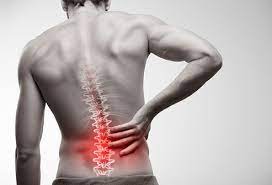
Trigger Points and Referred Pain
Often, the spot where you feel pain isn't actually where the problem originates. Hyper-irritable spots within a tight band of muscle tissue are known as trigger points.When these points are compressed, they don't just hurt locally; they radiate a dull, aching pain to completely different areas of the body—a phenomenon known as referred pain. For example, a trigger point trapped in your upper trapezius (shoulder) muscle is a primary cause of chronic tension headaches behind your eyes.
Ischemic Pain and the Oxygen Deficit
When a muscle stays continuously contracted due to stress or poor posture, it compresses its own internal capillary beds. This physical pinching shuts down healthy local blood flow, creating a localized state of ischemia (oxygen deficiency).As oxygen levels drop, cellular waste products like lactic acid build up and stagnate, triggering an automated pain loop that signals your brain to tighten the muscle even further. Breaking this loop requires targeted, physical manipulation.
2. The Mobile Modality Directory: Decoding the Therapeutic Toolset
Premium mobile massage networks bring a diverse array of clinical tools and specialized modalities directly to your home. Each modality utilizes distinct mechanical actions, stroke speeds, and depth profiles to address specific tissue layers.
Modality A: Swedish Relaxation Massage
- The Mechanical Action: Utilizes long, fluid, gliding strokes (effleurage), rhythmic kneading (pétrissage), and gentle circular friction.
- The Depth Profile: Operates primarily on the superficial fascia and top muscle layers, keeping pressure at a light-to-medium level.
- The Healing Mechanism: This modality focuses heavily on circulatory and nervous system regulation. By gently stretching the skin and upper tissues, it stimulates sensory receptors that signal the brain to lower the production of stress hormones while actively accelerating lymphatic drainage.
Modality B: Deep Tissue Therapy
- The Mechanical Action: Employs slow, deliberate, compressed strokes across or along the grain of the muscle fibers, utilizing the therapist's forearms, elbows, and braced thumbs.
- The Depth Profile: Targets the sub-dermal muscular layers, deep fascia, structural attachments, and long-standing chronic scar tissue.
- The Healing Mechanism: Deep tissue therapy focuses on breaking down physical adhesions. The firm, slow pressure manually separates bound collagen fibers, elongating shortened muscles, releasing trapped nerves, and flooding starved tissues with fresh, oxygenated blood.
Modality C: Sports Mobile Massage
- The Mechanical Action: Combines fast-paced, stimulating strokes with assisted stretching, joint mobilization, and compression techniques.
- The Depth Profile: Varies depending on whether it is applied pre-event (stimulating) or post-event (restorative), targeting tendon junctions and functional movement patterns.
- The Healing Mechanism: Designed specifically to enhance athletic performance, reduce recovery windows, and prevent injury. It focuses heavily on restoring full joint range of motion, reducing post-training swelling, and breaking down microscopic scar tissue caused by repetitive athletic strain.
Modality D: Trigger Point Therapy
- The Mechanical Action: Applies sustained, highly focused static pressure directly to a localized, hyper-irritable knot, typically held for 30 to 90 seconds.
- The Depth Profile: Highly variable, tracking directly to the exact depth of the neuromuscular trigger node.
- The Healing Mechanism: Relies on a physiological process called ischemic compression. By temporarily pressing the blood out of the hyper-irritable node, it forces the nervous system to drop its defensive contraction. When the pressure is released, fresh blood rushes back into the core of the knot, instantly softening the tissue and stopping referred pain patterns.
3. The Symptom-Matching Matrix: Picking Your Perfect In-Home Treatment
To ensure your next in-home session delivers absolute pain relief, use this diagnostic framework to match your current physical symptoms to the ideal therapeutic modality:
The Pain-to-Modality Selection Matrix
| Specific Body Pain Profile | Common Underlying Causes | Ideal Mobile Modality | Primary Therapeutic Benefit |
| Dull, aching lower back tightness; sharp knots beneath the shoulder blades; stiff neck. | Prolonged desk posture, sedentary lifestyle, structural slouching. | Deep Tissue Therapy | Manually breaks down dense muscle adhesions, elongating chronically shortened fibers. |
| Throbbing tension headaches; pain radiating down the arm; localized, hyper-painful muscle spots. | Repetitive screen use, driving stress, acute postural misalignment. | Trigger Point Therapy | Uses focused, static pressure to deactivate hyper-irritable nodes, halting referred pain loops. |
| Generalized full-body soreness; mental burnout, shallow breathing, high stress-induced anxiety. | High corporate workloads, sensory overload, nervous system exhaustion. | Swedish Relaxation | Stimulates the vagus nerve, dropping the body out of fight-or-flight and inducing deep sleep. |
| Tight hamstrings and calves; restricted hip flexibility; dull, aching joint soreness post-workout. | Heavy gym training, running, repetitive athletic movements, poor stretching. | Sports Mobile Massage | Flushes metabolic waste from tissues while restoring full, natural joint mobility. |
4. Maximizing Your Relief: Setting Up Your Home for Success
Once you have selected the right modality, you can enhance its healing effects by properly preparing your home environment before your therapist knocks on your door.Optimizing your space ensures your body transitions effortlessly into a receptive, healing state the moment the session begins.
Step-by-Step Home Optimization Guide
1.Optimize Room Temperature for Core Warmth:45 minutes before arrival.Ensure your treatment room is comfortably warm. Deep tissue work and trigger point therapy require your muscles to be loose; a chilly room causes your body to involuntarily tense up, fighting the therapist’s depth.2.Prepare Your Post-Massage Hydration Station:30 minutes before arrival.Set a large glass or bottle of fresh water on your nightstand. Therapeutic bodywork releases trapped metabolic fluids from muscle tissues, making immediate hydration essential for flushing out these waste products.3.Isolate Pets and Eliminate House Noise:15 minutes before arrival.Place your pets in a comfortable, separate room and turn off loud appliances. Unexpected barks or household noises can cause an involuntary adrenaline spike, pulling your brain straight out of its healing state.4.Be Explicit and Honest About Pain Scales:During the initial consultation.Use your therapist's setup window to talk through your pain. Use a scale of 1-10 to describe your discomfort and pinpoint exact locations, giving your mobile therapist the data they need to safely target your pain.
Blockquote: ### The Principle of Safe DepthA highly pervasive myth in the wellness world is "no pain, no gain." True, therapeutic deep tissue work can feel intense, but it should never cross the line into sharp, agonising pain that causes you to hold your breath or clench your jaw. If you feel your body resisting the pressure, speak up immediately—your therapist will adjust their depth to stay within your body's optimal healing zone.
5. Frequently Asked Questions: Navigating Clinical In-Home Bodywork
To ensure you feel fully informed and confident before completing your mobile booking, here are direct answers to the most common tactical questions regarding clinical pain relief at home:
What should I do if a deep tissue session feels too intense during the treatment?
You must communicate this to your therapist right away. When a massage hurts too much, your nervous system interprets the pressure as an injury, causing your muscles to contract defensively. This completely defeats the purpose of the treatment. Professional mobile therapists are experts in modifying their strokes in real-time, switching to broader contact surfaces or slower speeds to ensure the work is deep yet perfectly tolerable.
Can I mix different modalities together into a single home session?
Absolutely. In fact, the highest-rated mobile sessions are almost always custom blends. You can easily request a session that features a foundation of Swedish relaxation across your entire body to calm your nervous system, while directing your therapist to use focused Deep Tissue and Trigger Point techniques exclusively on your highly congested neck and upper shoulders.
Is it normal to experience physical soreness the day after a deep tissue session?
Yes, experiencing a mild, dull soreness for 24 to 48 hours after a clinical deep tissue or trigger point session is entirely normal. This sensation is structurally similar to the delayed onset muscle soreness (DOMS) you feel after an intense gym workout. It is simply a sign that the bound muscle fibers have been physically broken apart and are currently receiving increased, healing blood circulation.
6. Commit to a Pain-Free Life from the Comfort of Home
Living with chronic body pain is an exhausting burden that drains your daily focus, dampens your energy levels, and limits your overall quality of life. Yet, too often, we tolerate this physical strain simply because the logistical hassle of driving to a traditional, commercial storefront clinic feels overwhelming.This week, make a definitive commitment to your long-term health and physical comfort. Reclaim your body from chronic muscle knots, posture strain, and nagging pain. Skip the unnecessary stress of a crowded clinic commute and choose an experience that brings expert, customized clinical care straight to your bedroom or living room door. By matching the right mobile massage modality to your specific pain profile, you are investing in a healthier, pain-free system and setting a rock-solid foundation for vibrant, sustainable energy all year long.
