March Madness Muscle Recovery: Keep Playing (or Watching) Pain-Free
Introduction: March Madness Is Exciting. Your Muscles May Disagree!
March is an exciting month for basketball fans. As March Madness takes over television screens, conversations, sports bars, gyms, and social media, players and supporters become deeply invested in every game.For basketball players, it is a time of intense competition, fast breaks, explosive jumps, quick changes of direction, and physical challenges. Every possession demands concentration, coordination, and effort.For fans, the excitement looks different. You might spend hours watching games, sitting on the edge of your seat, travelling to watch parties, or staying up late to follow your favourite teams.Whether you are competing on the court or cheering from the sofa, the excitement can sometimes come with a less enjoyable side effect: muscle stiffness, physical fatigue, and discomfort.Players may experience sore calves, tight shoulders, tired legs, or general muscular soreness after demanding sessions. Fans may notice a stiff back, uncomfortable neck, or tight hips after sitting for hours without moving.That is why March Madness muscle recovery deserves attention.Recovery is not just for professional athletes. It is an important part of staying comfortable, managing physical demands, and making room for movement and rest during busy periods.At Passion Mobile Massage, we believe relaxation should fit into your lifestyle. Our mobile massage approach brings massage experiences to suitable locations, helping clients explore convenient ways to unwind without making an additional journey to a spa.In this guide, you will discover practical muscle recovery strategies for basketball players, recreational athletes, and passionate fans, including the role massage may play in a balanced recovery routine.Whether you are chasing a championship, playing weekend basketball, or watching every tournament matchup from home, here is how to take better care of your body during the basketball season.
1. Why March Madness Can Be Tough on Your Muscles
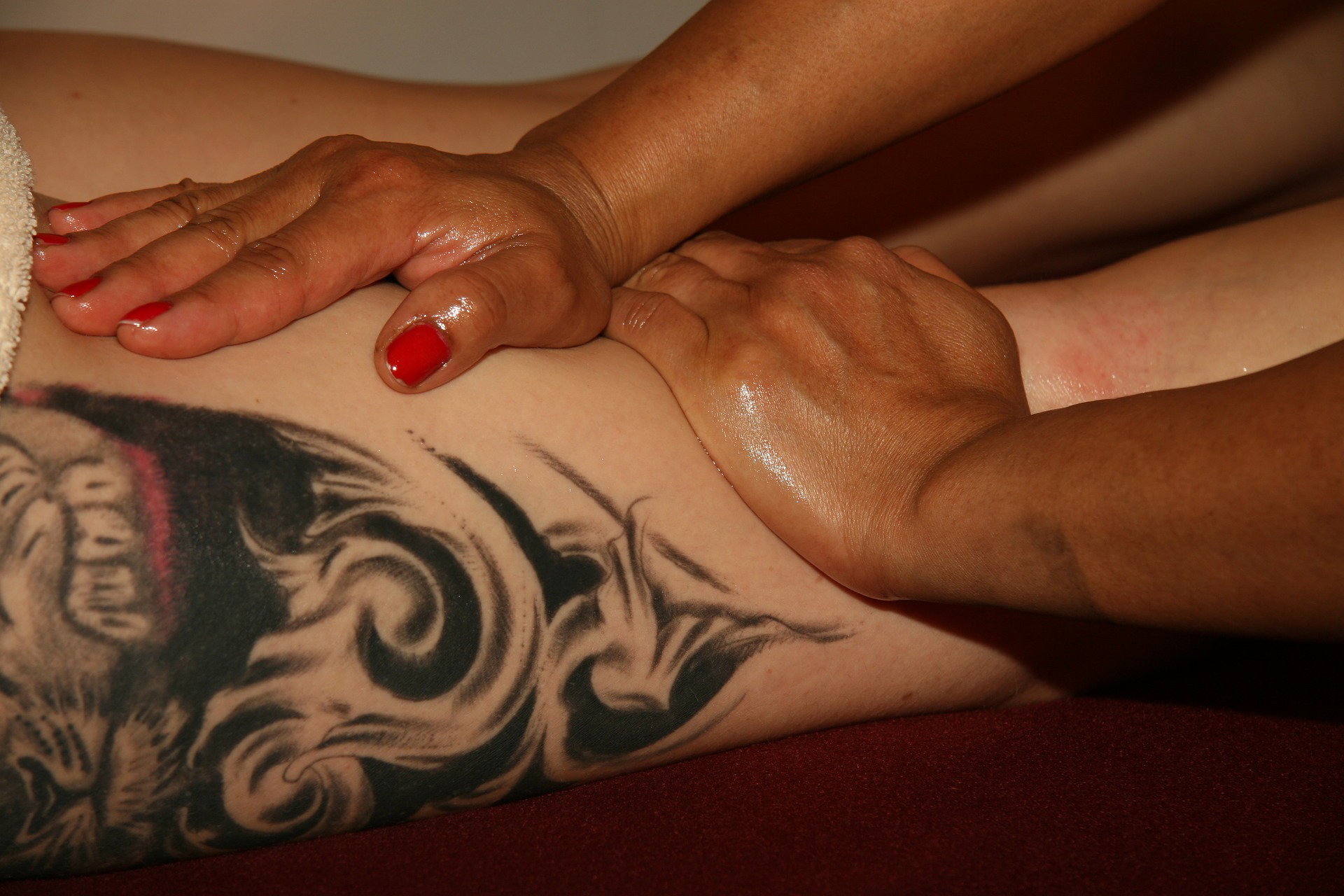
Basketball is a physically demanding sport. It combines short bursts of intense activity with periods of lower-intensity movement and rest.Players accelerate, decelerate, jump, land, pivot, shuffle laterally, and change direction rapidly. These movements place repeated demands on muscles, tendons, joints, and other tissues.The demands can increase when athletes play multiple games over a short period, increase their training intensity, or return to competition without sufficient preparation.
The physical demands on basketball players
Several muscle groups work hard during basketball.
- Quadriceps: Help straighten the knee during running, jumping, and standing up.
- Hamstrings: Contribute to running, acceleration, and deceleration.
- Calves: Assist with jumping, sprinting, and changes of direction.
- Gluteal muscles: Support hip movement, acceleration, and stability.
- Shoulders and arms: Contribute to shooting, passing, and ball handling.
- Core muscles: Help stabilise the trunk during movement and contact.
Repeated high-intensity activity may lead to fatigue or delayed-onset muscle soreness, commonly called DOMS. This soreness often develops after unfamiliar or particularly demanding exercise and may be most noticeable during the following one to three days.However, not every ache is ordinary muscle soreness. Sharp pain, significant swelling, joint instability, or difficulty bearing weight may indicate an injury that requires medical assessment.
What about basketball fans?
You do not have to play basketball to experience discomfort during March Madness.Watching games for extended periods can encourage prolonged sitting, particularly if you watch several matches in succession.Staying in one position may contribute to stiffness or discomfort, especially if your seating setup is poor or you rarely take movement breaks.The solution is not to stop enjoying basketball. It is to make movement, hydration, comfortable positioning, and rest part of the experience.
2. Understand the Difference Between Muscle Soreness and Injury

Before choosing a recovery strategy, it is important to understand what your body may be telling you.Ordinary post-exercise soreness generally develops gradually after physical activity. It may feel like tenderness, stiffness, or discomfort when using the muscles that worked hard during training or competition.It often improves over several days with appropriate recovery.An injury may feel different.Warning signs include:
- Sudden, sharp pain during movement.
- Significant or rapidly increasing swelling.
- A joint that feels unstable or gives way.
- Inability to bear weight normally.
- Severe pain or a substantial loss of movement.
- Numbness, unusual weakness, or other concerning symptoms.
These symptoms should not be treated simply by booking a massage.Seek appropriate medical assessment when injury is suspected. Severe symptoms, such as an unusually swollen muscle accompanied by profound weakness or dark, tea-coloured urine after intense exercise, require urgent medical attention because they can indicate a serious condition.Remember: Massage is a recovery and wellness option, not a substitute for diagnosing or treating an injury.
3. Prioritise Rest: Recovery Begins When the Game Ends
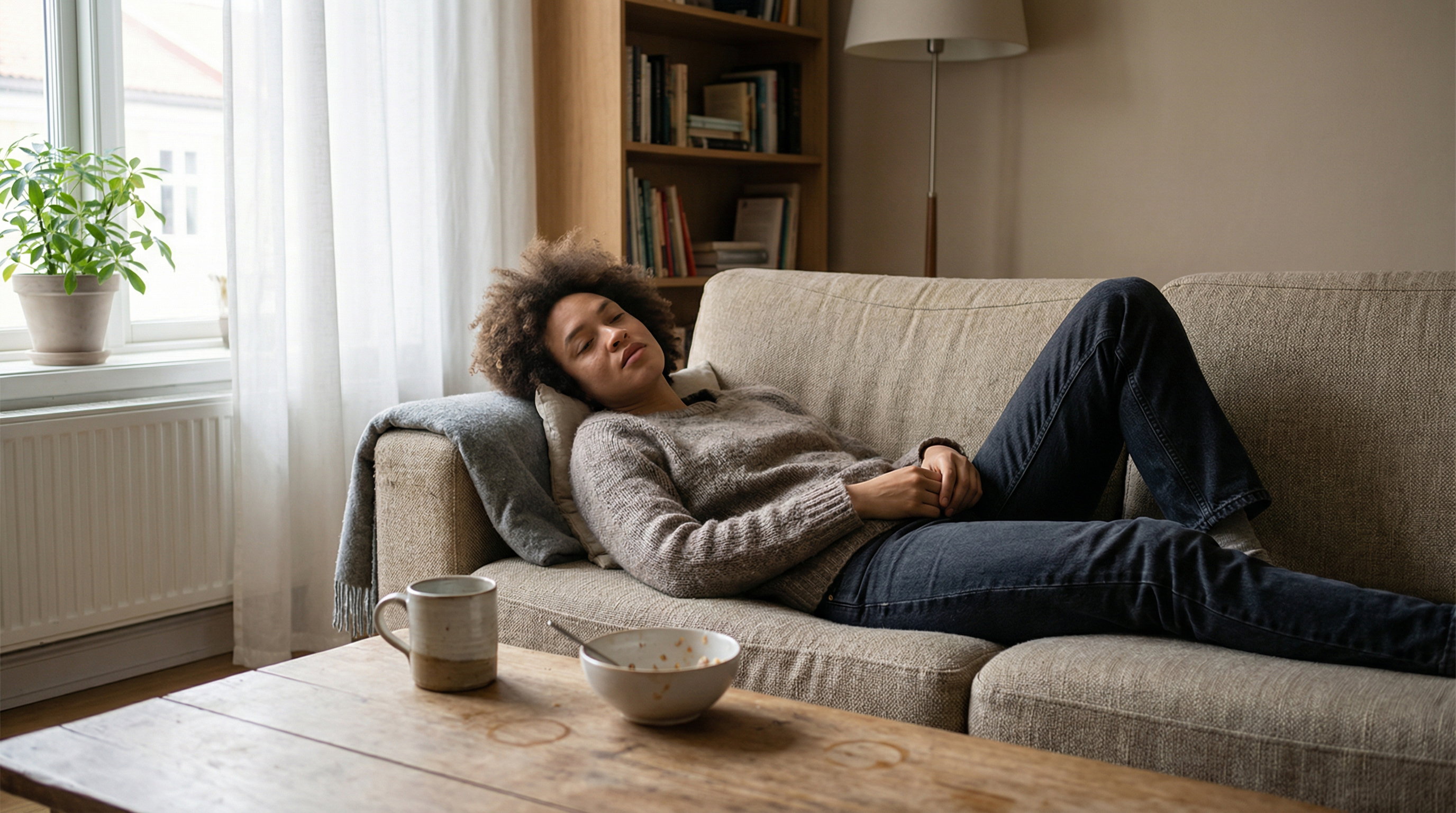
Athletes sometimes focus so much on training and competition that they underestimate the importance of rest.But your body needs time to adapt to physical demands. Adequate sleep and recovery between demanding sessions are important parts of maintaining performance and reducing accumulated fatigue.
Why sleep matters
Sleep supports normal physical recovery, cognitive function, mood, and coordination.For most adults, a regular target of around seven to nine hours of sleep per night is a useful starting point, although individual needs vary. Teenagers generally require more.If you play competitive basketball, pay attention to the quality and consistency of your sleep as well as its duration.Late-night games, travel, and irregular schedules can make this difficult. Where possible, maintain a consistent bedtime and allow enough time to wind down after competition.
Give your body a break between games
If you have played a particularly demanding game, avoid assuming that another intense session the following morning is always the best choice.Depending on your fatigue and soreness, a lighter day involving gentle movement may be more appropriate than another hard workout.Coaches and athletes should adjust training loads according to the individual's condition, schedule, and level of preparation.
How massage fits into rest
A relaxation-focused massage may help some people unwind and feel more comfortable after a demanding day.However, massage does not replace sleep, nutrition, appropriate training adjustments, or medical treatment when necessary.Think of it as one possible component of a broader recovery plan.
4. Stay Hydrated During Games and Training

Hydration is an important part of exercise preparation and recovery.During basketball, sweating helps regulate body temperature. The amount of fluid lost depends on exercise intensity, duration, temperature, humidity, clothing, and individual physiology.If you lose substantial fluid without replacing it, you may become dehydrated, which can affect how you feel and perform.
Practical hydration tips for players
Drink regularly. Do not wait until you are extremely thirsty to consider fluid intake, particularly during long or intense sessions.Replace fluids after exercise. Water is sufficient for many ordinary activities. After prolonged, vigorous exercise with substantial sweating, a suitable electrolyte-containing drink or fluids alongside food may help replace losses.Pay attention to conditions. Hot, humid environments can increase sweating and fluid requirements.Avoid excessive drinking. Forcing very large quantities of water can also be dangerous. Individual hydration needs differ, and athletes undertaking prolonged activity should follow appropriate guidance.
What about fans watching from home?
Basketball fans may forget to drink water when they are absorbed in a close game.Keeping water nearby and taking regular breaks can help you maintain ordinary hydration habits throughout long viewing sessions.Hydration will not instantly eliminate muscle soreness, but it is a useful part of general health and exercise recovery.
5. Use Gentle Movement to Reduce Stiffness
After an intense game or a long period of sitting, it can be tempting to remain completely still.Rest is important when you need it, but gentle movement may help reduce the feeling of stiffness associated with staying in one position.The key is to choose movement that feels comfortable and does not aggravate an injury.
For basketball players
Depending on how you feel after the game, consider:
- Walking at an easy pace.
- Gentle ankle movements.
- Comfortable hip mobility exercises.
- Easy knee bends within a pain-free range.
- Light movement of the shoulders and arms.
Avoid forcing a stretch or performing another intense workout when your body needs recovery.
For basketball fans
If you have been sitting through several games, use breaks to stand up, walk around, and change positions.You could walk during halftime, refill your water bottle between games, or perform a few comfortable shoulder rolls.If you work at a desk while following the tournament, consider standing or moving briefly every 30 to 60 minutes as a practical reminder.The precise interval is less important than avoiding hours of uninterrupted sitting.
Should you stretch before or after basketball?
Dynamic movements, such as controlled leg swings, walking lunges, and gradual changes of direction, can form part of a pre-game warm-up.After activity, gentle stretching may help maintain flexibility and provide a comfortable transition out of exercise.However, stretching is not a guaranteed way to prevent muscle soreness. Avoid aggressive stretching when a muscle is injured or acutely painful.
6. Eat for Recovery: Give Your Body the Building Blocks It Needs

Muscles need energy and nutrients to support exercise, repair, and normal function.If you are playing basketball regularly during March Madness, your recovery plan should include adequate food as well as rest.
Protein supports muscle repair
Protein provides amino acids that the body uses to maintain and repair tissues.Useful sources include eggs, fish, chicken, beans, lentils, yoghurt, milk, soy products, and other protein-rich foods.Including protein in regular meals and snacks can help support recovery, particularly when you are exercising frequently.
Carbohydrates help replenish energy
Basketball involves repeated high-intensity efforts, so carbohydrate availability can be important for players undertaking demanding training and competition.Foods such as rice, potatoes, oats, bread, fruit, and other carbohydrate sources can contribute to restoring energy reserves.The appropriate amount depends on the athlete's training demands and overall diet.
Do not overlook balanced meals
Vegetables, fruit, healthy fats, and a variety of nutrient-rich foods contribute to an overall balanced diet.There is no single food that instantly repairs tired muscles. Consistent eating habits are more useful than searching for a miracle recovery meal.
What about supplements?
Most people should start with adequate food, hydration, and sleep rather than assuming they need expensive recovery supplements.If you are an athlete considering supplements, seek qualified advice, particularly if you have a medical condition or take medication.For recreational players and fans, a balanced diet and ordinary healthy habits are generally a more useful starting point.
7. How Massage May Support Basketball Recovery
Massage is widely used by athletes and active individuals as part of their recovery routines.For some people, it offers a comfortable way to relax after exercise and temporarily reduce the feeling of muscular tension.Research suggests massage may modestly reduce delayed-onset muscle soreness and improve perceived recovery in some circumstances. Results vary, and massage should not be regarded as a guaranteed way to restore strength, prevent injuries, or improve athletic performance.
Potential benefits of recovery massage
Relaxation: Massage may help you feel calmer after a demanding game or training session.Perceived muscle soreness: Some evidence suggests massage can modestly reduce the experience of post-exercise soreness.Comfort and mobility: Some people report feeling more comfortable or less stiff after a suitable session, although responses differ.A planned recovery break: Setting aside time for a massage can encourage you to pause and pay attention to how your body feels.These potential benefits are best understood as part of a balanced recovery approach rather than a replacement for proven training and medical practices.
When should you get a massage after basketball?
There is no universal rule that everyone must receive a massage immediately after a game.The appropriate timing depends on the intensity of the activity, your preferences, and whether you have any symptoms that require assessment.A gentle session may be comfortable for some people after exercise. After unusually strenuous activity, significant soreness, or suspected injury, it may be better to rest or seek professional advice before arranging treatment.Avoid intense massage over acute injuries, significant bruising, unexplained swelling, or areas where a serious condition is suspected.
Which massage style should you choose?
Swedish massage: Often suitable for people seeking a relaxation-focused experience using flowing strokes and kneading.Sports massage: A broad term for massage approaches used in sporting contexts. The techniques should be selected according to the individual's needs and the practitioner's training.Deep tissue massage: Uses more focused, firmer pressure. It is not automatically better for recovery and may cause temporary soreness.A qualified therapist should discuss your preferences, relevant health history, and the purpose of the session before treatment.
8. Why Mobile Massage Makes Recovery More Convenient
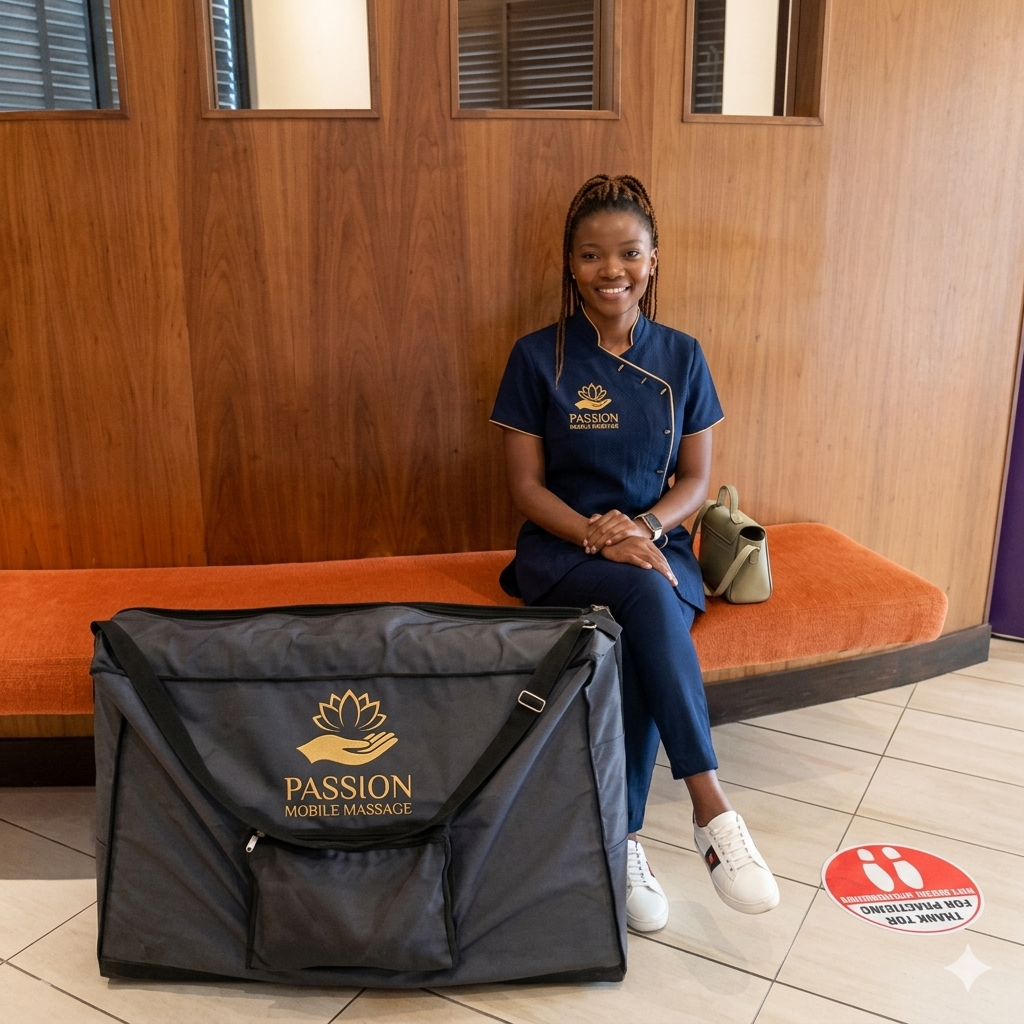
After a long basketball session, you may not want to travel across town for another appointment.The same applies if you have spent hours watching games, working, or managing other responsibilities.Mobile massage offers an alternative by bringing a massage service to a suitable location, subject to the provider's availability and service area.For some clients, this can make it easier to incorporate relaxation into an already busy schedule.
Benefits for recreational athletes
If you play basketball at a local court, gym, or recreational league, you may have limited time between training, work, and family responsibilities.Arranging a mobile massage at home can reduce the need for an additional trip and allow you to plan your recovery time more conveniently.The session should still be appropriate for your condition and should not delay medical assessment when an injury is suspected.
Benefits for sports fans
You do not have to be an athlete to appreciate the convenience of mobile massage.If you spend long periods watching tournament games, you may enjoy a massage as part of a relaxing day at home.It can be an opportunity to step away from the screen, enjoy personal attention, and make time for yourself between games.
Benefits for busy professionals
Many professionals combine desk work with recreational sports or long viewing sessions.Mobile massage can be considered alongside movement breaks, comfortable workstation habits, regular exercise, and adequate sleep as part of a broader wellness routine.At Passion Mobile Massage, our mobile service approach is designed to make massage more convenient for clients who prefer to arrange treatment at a suitable location rather than travel to a conventional spa.Visit Passionmobilemassage.com to enquire about available services and whether a suitable appointment can be arranged in your area.
9. A Simple March Madness Recovery Routine
You do not need a complicated recovery programme to start taking better care of your body.A few consistent habits can help you manage the demands of basketball and long viewing sessions.
Before playing
- Begin with a progressive warm-up.
- Include dynamic movements appropriate to basketball.
- Make sure you have suitable footwear and equipment.
- Start well hydrated.
- Avoid suddenly increasing your training intensity beyond what you are prepared for.
After playing
- Cool down with a few minutes of comfortable movement.
- Replace fluids according to your needs.
- Eat a balanced meal or snack.
- Prioritise sleep.
- Monitor soreness and fatigue before deciding how intensely to train again.
While watching games
- Choose a comfortable sitting position.
- Keep water nearby.
- Stand up and move between games or during breaks.
- Avoid remaining in one position for hours.
- Make time for regular meals and adequate sleep, even when games run late.
When considering massage
- Choose a qualified, appropriately trained practitioner.
- Communicate your goals and pressure preferences.
- Mention injuries, relevant medical conditions, and recent procedures.
- Avoid massage over areas with concerning symptoms.
- Treat massage as an optional complement to rest, nutrition, and sensible activity management.
Consistency matters more than trying to do everything perfectly.
10. Recovery Mistakes to Avoid During March Madness
Even people who understand the importance of recovery can fall into habits that make it harder to manage fatigue and discomfort.
Mistake 1: Playing through sharp pain
Competitive excitement can make athletes reluctant to leave the game or skip training.However, sharp pain, sudden weakness, or significant swelling should not be ignored. Continuing to play may worsen an injury.Stop the activity and seek appropriate assessment when needed.
Mistake 2: Assuming harder massage is always better
Painful massage is not a requirement for effective treatment.Very firm pressure may leave some people sore, and it is not appropriate for every condition. Communicate with your therapist and choose an approach that suits your circumstances.
Mistake 3: Ignoring sleep
An athlete who trains hard but consistently sleeps too little may struggle to recover adequately.Fans can face a similar problem when they sacrifice sleep to watch late-night games.Enjoy the tournament, but try to maintain a reasonable sleep routine.
Mistake 4: Sitting for hours without moving
Long viewing sessions can contribute to stiffness and discomfort.Take movement breaks rather than relying on a massage later to undo every hour of inactivity.
Mistake 5: Treating every ache with massage
Muscle soreness and injuries are not the same thing.Massage should not be used to mask unexplained symptoms, and some conditions require medical evaluation before any hands-on treatment.
Mistake 6: Increasing training too quickly
If you have not played basketball for months, jumping straight into intense competition can place more demand on your body than it is prepared to handle.Build your activity gradually and allow time for adaptation.
11. Who Can Benefit From a March Madness Recovery Routine?

The principles of recovery apply to more than professional basketball players.
Recreational basketball players
Weekend players and casual competitors can benefit from sensible warm-ups, gradual training progression, adequate rest, and attention to soreness.
Gym enthusiasts
People who combine strength training with basketball may need to balance multiple sources of physical stress.Recovery plans should consider the total training load rather than treating every activity separately.
Coaches and referees
Basketball involves more than playing. Coaches and referees may spend long periods standing, walking, concentrating, and moving around the court.Comfortable footwear, breaks when practical, and sensible activity management can support general comfort.
Office workers who love basketball
People who work at desks and then watch games in the evening may spend much of the day sitting.Movement breaks during work and between games can help reduce prolonged periods in one position.
Dedicated basketball fans
You may never shoot a three-pointer, but you can still make comfort part of your tournament routine.Move regularly, stay hydrated, and avoid allowing your enthusiasm for the game to completely replace ordinary self-care.
12. Make Recovery Part of Your March Madness Tradition

March Madness is about more than basketball. It is also about community, friendly competition, unforgettable performances, and shared experiences.Whether you watch with family, organise viewing parties with friends, or play in a local league, the tournament can become a highlight of the year.Why not make recovery part of that tradition?Plan a comfortable viewing area. Take movement breaks during halftime. Prepare balanced snacks. Give yourself enough time to sleep. If you play basketball, schedule training sensibly and listen to your body.And if you enjoy massage, consider arranging a suitable session as part of your broader relaxation routine.The goal is not to turn every moment into a wellness project. It is to enjoy basketball while making sensible choices that support your comfort and well-being.
13. Experience Convenient Relaxation With Passion Mobile Massage
At Passion Mobile Massage, we understand that life does not stop when sports season gets exciting.You may be balancing work, family, fitness, travel, and your favourite games. Finding time to relax can become difficult when every day seems full.Our mobile massage approach is designed to make massage more convenient by bringing the service to a suitable location, subject to availability and service coverage.If you are a recreational athlete looking for a relaxing post-training experience, a busy professional who spends long hours sitting, or a basketball fan who simply wants to unwind after a demanding week, you can enquire about available massage options.We encourage every client to communicate their preferences and relevant health concerns so that treatment can be considered appropriately.Massage is not a substitute for medical assessment or a comprehensive sports recovery plan. However, when suitable for the individual, it may provide an enjoyable addition to a routine that includes sleep, hydration, nutrition, and movement.To learn more about Passion Mobile Massage, visit Passionmobilemassage.com and enquire about services available in your location.Keep enjoying the games. Keep moving in ways that feel comfortable. And remember that taking care of your body is part of enjoying the activities you love.
Frequently Asked Questions About March Madness Muscle Recovery
1. What is the best way to recover after playing basketball?
A balanced approach includes adequate sleep, appropriate nutrition, hydration, sensible training adjustments, and gentle movement when comfortable. Massage may be a useful optional addition for some people.
2. Can massage help with sore muscles after basketball?
Massage may modestly reduce perceived delayed-onset muscle soreness for some people. Results vary, and it does not guarantee faster tissue healing or prevent injuries.
3. Is sports massage better than deep tissue massage?
Neither is universally better. Sports massage can involve different techniques depending on the practitioner's approach, while deep tissue massage generally uses firmer, focused pressure. The most suitable choice depends on your goals, preferences, and health circumstances.
4. Should I get a massage immediately after a game?
Not necessarily. Timing depends on the activity, your symptoms, and your preferences. Gentle massage may be comfortable for some people, while others may prefer rest first. Suspected injuries should be assessed rather than massaged.
5. How can basketball fans avoid stiffness while watching March Madness?
Change positions regularly, stand and walk during breaks, keep your seating comfortable, and avoid sitting for hours without moving. Gentle movement can help you feel less stiff.
6. Does massage prevent basketball injuries?
Massage should not be relied upon to prevent injuries. Appropriate training progression, warm-ups, conditioning, suitable equipment, and attention to fatigue are important parts of injury-risk management.
7. Can I book a mobile massage at home?
Mobile massage may be available at home or another suitable location, depending on the provider's service area and appointment availability. Contact Passion Mobile Massage to enquire about the options in your area.
8. What should I tell my massage therapist before a session?
Discuss your goals, pressure preferences, relevant medical conditions, recent injuries or procedures, and any symptoms that may affect the suitability of massage. Be sure to mention sharp pain, significant swelling, or other concerning symptoms.
9. Is massage suitable for people who do not play sports?
Yes, many people enjoy massage as a relaxation service, including those who spend long hours at desks or watching sports. Treatment should always be appropriate for the individual's circumstances.
10. How can I enquire about Passion Mobile Massage?
Visit Passionmobilemassage.com to explore available services and enquire about suitable appointment arrangements.
Conclusion: Enjoy Every Game, but Do Not Forget Your Body
March Madness brings excitement, competition, and unforgettable basketball moments. But whether you are playing on the court or following every game from home, your body still needs movement, rest, hydration, and appropriate recovery.Players should take muscle soreness seriously, train sensibly, and avoid playing through signs of injury. Fans should remember to stand up, change positions, and take breaks during long viewing sessions.Massage may provide an enjoyable way to relax and may modestly reduce perceived muscle soreness for some people, but it works best as one part of a broader approach to well-being.You do not have to choose between enjoying basketball and looking after yourself.Make room for both.If a convenient massage experience would complement your routine, explore the options available through Passion Mobile Massage.Visit Passionmobilemassage.com to enquire about a suitable appointment.Passion Mobile Massage — bringing relaxation closer to you.
