Mental Health Awareness: How Massage Supports Stress and Anxiety Relief
Introduction: Your Mental Well-Being Deserves Attention Too
Have you ever reached the end of a long day feeling physically exhausted but unable to switch off your mind?Perhaps you have spent hours thinking about work, worrying about finances, managing family responsibilities, or trying to keep up with the demands of everyday life. Even when you finally have time to rest, your thoughts continue racing. Your shoulders feel tight, your breathing becomes shallow, and falling asleep seems more difficult than it should be.If this sounds familiar, you are not alone.Stress has become part of life for many busy professionals, entrepreneurs, parents, caregivers, and people balancing multiple responsibilities. While occasional stress is a normal response to challenging situations, prolonged stress can affect how we feel, sleep, concentrate, and manage everyday activities.This is why mental health awareness matters. It reminds us that well-being involves more than physical fitness or the absence of illness. It also includes emotional balance, healthy relationships, adequate rest, and the ability to cope with life's demands.As part of your June mental health awareness content, Passion Mobile Massage explores one practical way to incorporate relaxation into everyday life: massage.Massage is not a cure for anxiety disorders or other mental health conditions. However, research suggests that massage may help some people experience short-term reductions in perceived stress and anxiety, while providing an opportunity to relax and unwind.And when massage is delivered at home, the experience can be even more convenient for people who struggle to make time for themselves.In this article, we explore how massage may support stress management, what cortisol has to do with the body's stress response, why relaxation may benefit sleep, and how regular at-home massage can become part of a balanced self-care routine.
1. Understanding the Connection Between Stress and Mental Health

Stress is the body's response to demands, challenges, or perceived threats. It can arise from work deadlines, financial pressure, relationship difficulties, caregiving responsibilities, uncertainty, or major life changes.When you encounter a stressful situation, your body activates systems that help you respond. Your heart rate may increase, your muscles may become tense, and your attention may become focused on the problem in front of you.In the short term, this response can be useful. It helps you react to challenges and take action.The difficulty arises when stress becomes persistent and opportunities for recovery become limited.Imagine a business owner who works late every night, a professional who spends the day under pressure, or a parent who rarely gets uninterrupted time to rest. Even when the immediate challenge has passed, they may continue feeling tense or mentally alert.Over time, this pattern can contribute to fatigue, irritability, sleep difficulties, and reduced quality of life.Stress can also show up physically. Some people notice tight shoulders, a clenched jaw, headaches, or general muscular discomfort.Massage offers an opportunity to interrupt this cycle temporarily by creating time for physical relaxation and focused attention on the present moment.It does not remove the underlying cause of stress, but it may help some people feel more relaxed while they work on addressing the demands affecting their lives.
2. How Massage May Help Reduce the Feeling of Stress
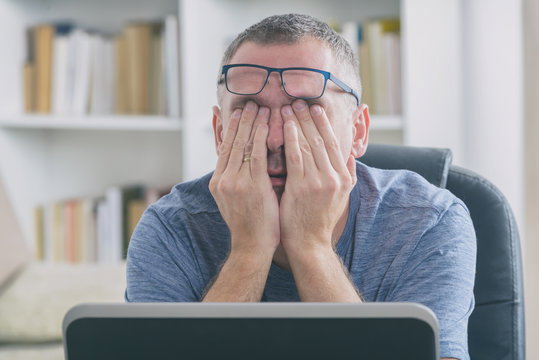
One of the most appealing aspects of massage is the opportunity to pause.During a massage session, you are encouraged to step away from work, household responsibilities, notifications, and other distractions. Depending on your preferences and the treatment environment, gentle, rhythmic touch may help you settle into a more relaxed state.Some people notice that their breathing becomes more comfortable, their muscles feel less tense, and their minds feel quieter during or after a session.Research has examined massage therapy in relation to anxiety, stress, pain, and quality of life. Findings are encouraging in some settings, although results vary across studies, and the evidence does not establish massage as a stand-alone treatment for mental health conditions.For example, a systematic review published in Pain Medicine found evidence that massage may help reduce anxiety in some people experiencing musculoskeletal pain, while also noting limitations in the available research.
The importance of feeling safe and comfortable
Relaxation is influenced by the environment in which it occurs.A noisy, rushed, or uncomfortable setting may make it difficult to settle down. By contrast, a calm room, comfortable temperature, respectful communication, and pressure suited to your preferences can help create a more pleasant experience.This is one reason mobile massage may appeal to people who prefer relaxing in familiar surroundings.At Passion Mobile Massage, the mobile service approach is designed to make massage more convenient by bringing the experience to a suitable location, subject to availability.For someone who has spent the day managing demanding responsibilities, that convenience can make it easier to protect a little time for personal well-being.
3. Massage and Cortisol: What Does the Stress Hormone Do?

Cortisol is a hormone produced by the adrenal glands. It plays an important role in regulating the body's response to stress, energy use, blood pressure, and the sleep-wake cycle.Cortisol is not inherently harmful. Levels naturally fluctuate throughout the day, generally rising around the time of waking and declining toward the evening.The problem is not simply that cortisol exists or that every increase is bad. Its effects depend on the circumstances, timing, and broader functioning of the body's stress-response systems.
Can massage lower cortisol?
Some massage studies have reported short-term reductions in salivary cortisol following treatment. However, findings across studies are mixed, and differences in study design, participants, massage techniques, and measurement methods make firm conclusions difficult.A review of physiological responses to massage found that several studies reported reductions in cortisol and heart rate after individual sessions. The authors also highlighted the need for more rigorous research. It is important to distinguish this evidence from broader research on stress management. A 2024 systematic review and meta-analysis found that stress-management interventions overall can influence cortisol measures, but those findings do not prove that massage alone reliably lowers cortisol in everyone. The practical takeaway is that massage may help some people relax, and certain studies suggest possible effects on stress-related physiological measures. It should not be marketed as a guaranteed way to lower cortisol or correct a hormonal imbalance.
Why the relaxation experience still matters
You do not need to measure your cortisol levels to recognise that you feel tense after a demanding day.If you enjoy massage, the opportunity to pause, experience comfortable touch, and temporarily step away from stressors may be valuable in its own right.Combined with adequate sleep, regular physical activity, healthy social connections, and appropriate mental health support, massage may form part of a broader approach to managing everyday stress.
4. Can Massage Help You Sleep Better?
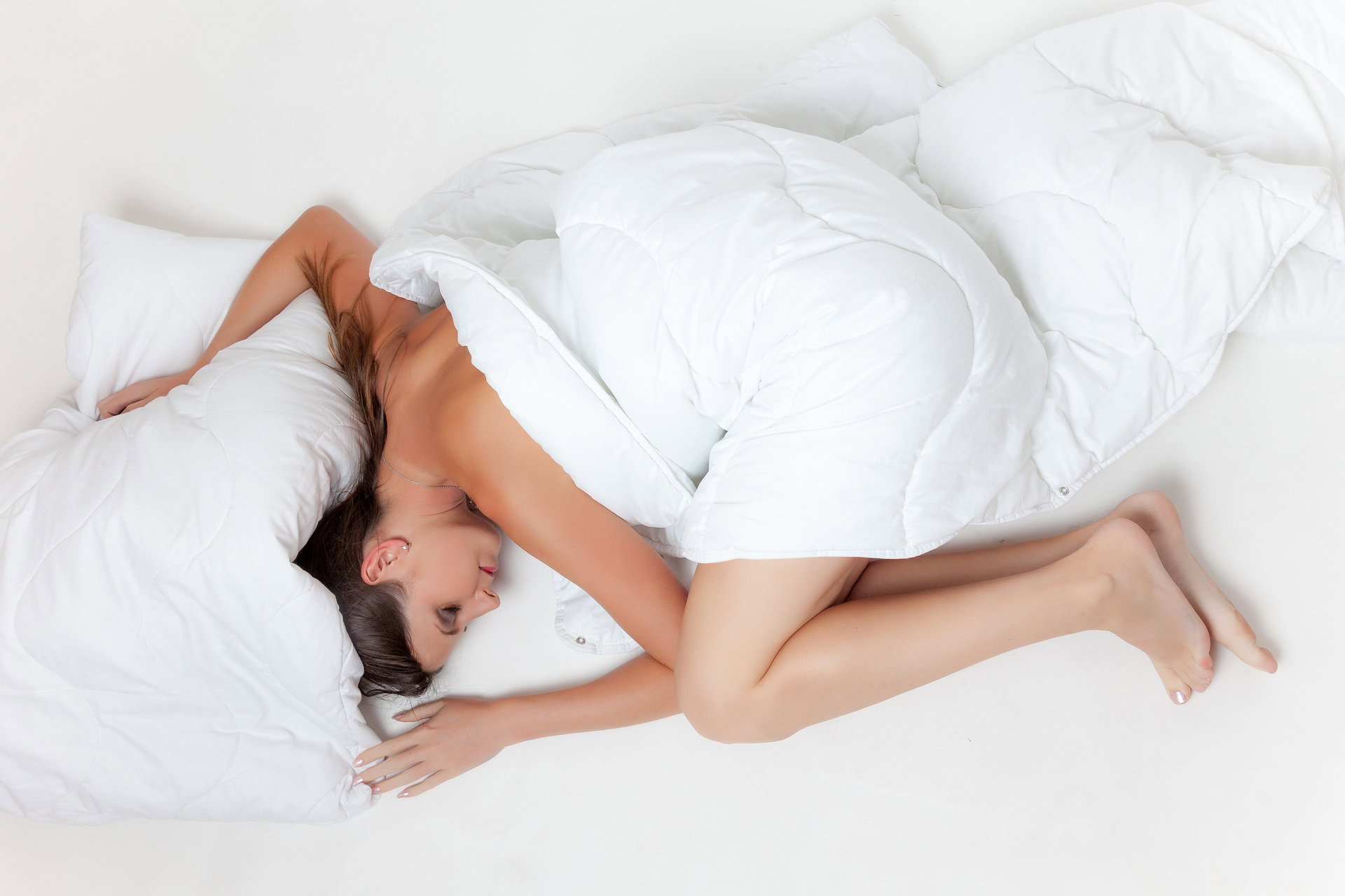
Sleep and mental well-being are closely connected.When you sleep poorly, everyday problems may feel harder to manage. You may find it more difficult to concentrate, regulate your emotions, or remain patient under pressure.Likewise, persistent worry and stress can make it difficult to fall asleep or stay asleep.This creates a frustrating cycle: stress disrupts sleep, and poor sleep makes stress more difficult to handle.Massage may help some people prepare for rest by providing an enjoyable, calming experience before bedtime.
How massage may support relaxation before sleep
A gentle massage can provide a period away from screens, work messages, and daily demands.Some people find that they feel calmer after a session, which may make it easier to transition into their evening routine.Research on massage and sleep has produced promising findings in some groups, but the results are not consistent enough to guarantee that massage will improve sleep for everyone.For instance, a randomised controlled trial published in 2024 investigated a six-week Swedish massage programme among people with multiple sclerosis. Participants receiving massage reported improvements in sleep quality and several measures of psychological well-being. Because this study involved a specific patient group and treatment schedule, the results should not automatically be generalised to everyone.
Build a relaxing evening routine
If you want to support better sleep, consider combining massage with other healthy habits:
- Maintain a reasonably consistent bedtime.
- Reduce stimulating activities and work-related interruptions before sleep.
- Keep your bedroom comfortable, dark, and quiet where possible.
- Avoid excessive caffeine late in the day.
- Give yourself time to wind down rather than working until the moment you go to bed.
An evening massage may fit into this routine if you find it relaxing and the timing works for you.However, massage is not a substitute for assessment or treatment of persistent insomnia, sleep apnoea, or other sleep disorders.
5. Why At-Home Mobile Massage Can Make Relaxation Easier

Knowing that self-care matters is one thing. Finding the time to practise it is another.Busy people often postpone relaxation because it appears to require too much planning. They may need to travel to a spa, work around appointments, navigate traffic, and return home afterward.For someone already feeling overwhelmed, these extra steps can become barriers.Mobile massage offers a practical alternative.Instead of travelling to a separate spa, you can enquire about arranging a professional massage at home or another suitable location, depending on the provider's service area and availability.
Familiar surroundings can feel more comfortable
Some people prefer relaxing in an environment they already know.At home, you can prepare a quiet space, adjust the room temperature, and reduce interruptions where possible.You also have the convenience of remaining at your location after the appointment, rather than arranging another journey.This does not mean that home massage is automatically more effective than treatment in a spa. The benefits depend on personal preferences, the therapist's professionalism, and the suitability of the environment.
Convenience helps protect your time
Consider a professional who finishes work late and still needs to manage household responsibilities.A separate spa visit may require additional time and planning. A mobile appointment may make it easier to find a suitable slot without adding another journey.The same may apply to entrepreneurs, parents, caregivers, and frequent travellers.At Passion Mobile Massage, our goal is to make the massage experience more accessible by bringing the service closer to you.Your well-being deserves a place in your schedule, not just the leftover time after everything else is finished.
6. Who May Benefit From Including Massage in a Stress-Management Routine?
Massage is not only for people who want a luxury experience. For people who enjoy it and can receive it safely, it may be a useful relaxation activity within a balanced self-care routine.
Busy professionals
Long working hours, demanding targets, and prolonged desk time can leave some professionals feeling tense and mentally drained.A massage session may offer an opportunity to unwind after work and take a break from constant demands.
Entrepreneurs and business owners
Running a business often requires sustained attention and decision-making.A planned massage appointment can create a protected period away from business responsibilities, helping the owner make time for personal relaxation.
Parents and caregivers
People who care for children, older relatives, or family members with additional needs may have limited opportunities to focus on themselves.A convenient at-home appointment may make it easier to schedule some personal time, provided they can arrange appropriate support for those in their care.
People experiencing everyday muscular tension
Stress and muscle tension can occur together. Gentle, appropriate massage may help some people feel more comfortable and relaxed.However, persistent or unexplained pain should not automatically be attributed to stress. Seek appropriate medical assessment when necessary.
People who find massage enjoyable
Perhaps the simplest group is people who already enjoy massage and find it relaxing.There is no need to wait until you feel completely overwhelmed before making time for an activity that supports your sense of well-being.The key is to choose massage because it suits your preferences, rather than feeling pressured to use it as a solution for every emotional or physical difficulty.
7. Does Regular Massage Offer More Benefits Than an Occasional Session?

An occasional massage can provide a welcome break. Some people also prefer scheduling sessions as part of a recurring self-care routine.However, there is no universally established massage schedule that guarantees better mental health, lower cortisol, or improved sleep.The right frequency depends on your goals, budget, preferences, health circumstances, and response to treatment.If you find massage helpful, you might choose to schedule it periodically during particularly demanding periods or as one element of your ongoing wellness routine.
How to make a regular routine realistic
Start with your needs. Identify whether your main goal is relaxation, general muscular comfort, or simply having dedicated time away from daily demands.Choose a sustainable frequency. Select a schedule that fits your budget and life rather than feeling obliged to book more often than you can comfortably manage.Notice how you feel. Consider whether you feel more relaxed after a session and whether the experience fits well into your routine. Individual responses differ.Use other stress-management tools. Combine massage with movement, sufficient sleep, healthy boundaries, enjoyable activities, and social support.Review your needs over time. If stress or anxiety is persistent, worsening, or interfering with daily life, consider speaking with a qualified healthcare or mental health professional.Regular massage can be a pleasant part of self-care, but more frequent treatment is not automatically better.
8. Simple Ways to Support Mental Well-Being Between Massage Sessions

Massage is only one possible element of a broader approach to mental wellness. Small, repeatable habits can also help you manage daily demands.
Take movement breaks
If you spend hours sitting, stand up, stretch gently, or walk around when practical. Regular movement can help reduce the discomfort associated with remaining in one position for too long.
Practise slow, comfortable breathing
Take a few moments to breathe slowly without forcing your breath. Some people find this useful when they feel overwhelmed.If focusing on breathing makes you uncomfortable, choose another grounding activity, such as noticing the objects around you or taking a gentle walk.
Protect your downtime
Constant notifications and work messages can make it difficult to disengage.Where possible, create periods when you are not expected to respond immediately to non-urgent demands.
Stay connected
Talking with a trusted friend, family member, or supportive colleague can help you feel less alone when life becomes demanding.
Make sleep a priority
Give yourself enough time to rest and develop an evening routine that supports your sleep needs.
Seek professional support when necessary
If anxiety, low mood, persistent worry, or sleep problems are affecting your everyday life, professional support can help you understand what is happening and explore appropriate treatment options.You deserve support even when you cannot identify one clear reason for feeling overwhelmed.
9. How Passion Mobile Massage Can Support Your Self-Care Routine
At Passion Mobile Massage, we believe that relaxation should be accessible and convenient.Our mobile massage approach allows clients to enquire about receiving massage at a suitable location, helping them make room for personal care without the extra journey to a traditional spa.Whether you are a busy professional, an entrepreneur, a parent, or someone who simply enjoys massage, an at-home session may be a practical addition to your relaxation routine.We encourage clients to communicate their preferences, discuss any relevant health concerns, and choose a treatment suited to their circumstances.Depending on availability and suitability, you can enquire about relaxation-focused options such as Swedish massage or other treatments offered by Passion Mobile Massage.Before your appointment, prepare a comfortable space, minimise interruptions where possible, and allow yourself time to enjoy the experience without rushing straight into another demanding activity.Our service is designed to make relaxation more convenient, while recognising that every client has different preferences and needs.To explore available services, visit Passionmobilemassage.com and enquire about a suitable appointment at your location.You do not need to wait until stress has taken over your schedule before making room for relaxation.
Frequently Asked Questions About Massage, Stress, and Mental Health

1. Can massage help relieve stress?
Massage may help some people feel calmer and more relaxed. Research suggests possible benefits for perceived stress and anxiety in certain settings, although results vary. Massage works best as one element of a broader approach to well-being.
2. Does massage lower cortisol?
Some studies have reported short-term reductions in cortisol after massage, but findings are mixed. It is not possible to guarantee that massage will lower cortisol in every person or correct a hormonal imbalance.
3. Can massage help with anxiety?
Massage may provide temporary relaxation for some people experiencing anxiety. However, it is not a replacement for evidence-based mental health care, particularly when anxiety is persistent or interferes with everyday activities.
4. Can massage improve sleep quality?
Some studies suggest that massage may support sleep quality in particular populations, but the evidence varies. Massage may help you unwind before bedtime, but it is not a guaranteed treatment for insomnia or other sleep disorders.
5. Is at-home massage good for stress relief?
At-home massage may be convenient for people who prefer familiar surroundings and want to avoid travelling to a spa. Its suitability depends on the environment, the practitioner, and your personal preferences.
6. How often should I get a massage for relaxation?
There is no single recommended frequency for everyone. Choose a schedule that suits your preferences, health circumstances, and budget. You do not need to book frequent sessions to make relaxation a meaningful part of self-care.
7. Can massage replace therapy or medication for anxiety?
No. Massage should not replace prescribed medication, psychotherapy, or other professional care. If you have an anxiety disorder or another mental health condition, discuss complementary treatments with an appropriate healthcare professional.
8. Is massage safe for everyone?
Not necessarily. Certain medical conditions, acute injuries, recent procedures, or other circumstances may require treatment modifications, medical advice, or postponement. Discuss relevant concerns with the therapist before your session.
9. How can I book an at-home massage with Passion Mobile Massage?
Visit Passionmobilemassage.com to enquire about available services. Include your location, preferred date, and treatment preferences so the available arrangements can be assessed.
Conclusion: Make Relaxation Part of Your Mental Wellness Journey
Mental health awareness reminds us that well-being deserves attention throughout the year, not only when life becomes difficult.Stress can affect how we feel, how comfortably we sleep, and how we respond to everyday challenges. Although we cannot remove every source of pressure, we can look for practical ways to support our well-being.Massage may offer one such opportunity.For some people, a relaxing session provides a welcome pause, helps ease the feeling of muscular tension, and creates space to unwind. Research also suggests possible benefits for certain stress, anxiety, and sleep-related outcomes, although the evidence is not conclusive for everyone.When delivered at home, mobile massage can make that experience more convenient by reducing the need for an additional journey and allowing you to relax in familiar surroundings.At Passion Mobile Massage, we encourage you to make self-care part of your routine rather than something you postpone indefinitely.Take movement breaks. Protect your sleep. Connect with people who support you. Seek professional help when you need it. And if massage is something you enjoy, consider making room for it as part of your broader approach to well-being.Your mental health matters, your rest matters, and your well-being deserves attention.Ready to make time for relaxation?Visit Passionmobilemassage.com to enquire about mobile massage services and explore a convenient option for your self-care routine.Passion Mobile Massage — bringing relaxation closer to you.
