New Year, New Body: How Mobile Massage Supports Your Fitness Resolutions
Introduction: Make This the Year You Take Care of Your Body
A new year often brings a fresh sense of possibility. It is an opportunity to set new goals, build better habits, and become more intentional about the life you want to create.For many people, one of the biggest priorities is improving physical fitness.Perhaps you want to lose weight, build muscle, improve your stamina, become more flexible, or simply feel healthier and more energetic. You may have decided to join a gym, start running, take regular walks, follow a home workout programme, or return to exercise after a long break.Whatever your fitness goal, the beginning of a new year can be a powerful time to start.But there is one important truth that many fitness beginners overlook: achieving your fitness goals involves more than exercising. It also requires adequate recovery, consistency, and habits that support your overall well-being.You can follow an ambitious workout plan, but if you constantly feel exhausted, neglect your sleep, or ignore persistent discomfort, maintaining that routine may become difficult.This is where massage may have a role.A suitable massage can promote relaxation and may temporarily ease the feeling of muscle soreness or tension for some people. When combined with appropriate exercise, adequate sleep, balanced nutrition, and sensible training, it can become one part of a broader recovery routine.And with mobile massage, you may be able to enjoy that experience without making an additional journey to a spa.At Passion Mobile Massage, we believe that taking care of your body should fit into your lifestyle. Our mobile massage approach brings massage experiences to suitable locations, offering a convenient option for people who want to make relaxation part of their fitness and wellness routines.Whether you are beginning your first exercise programme, returning to the gym, training for a sporting event, or simply trying to move more regularly, this guide explains how mobile massage may support your fitness resolutions and how to incorporate it into a balanced routine.
1. Why Most New Year Fitness Resolutions Fail

Every January, countless people make ambitious promises to transform their bodies.Some commit to exercising every day. Others decide to lose a particular amount of weight, build visible muscle, or completely change their eating habits.Initially, motivation may be high. New workout clothes are purchased, gym memberships are activated, and exercise schedules are carefully planned.Then everyday life returns.Work becomes demanding. Family responsibilities increase. Muscles feel sore after unfamiliar workouts. Progress appears slower than expected. Eventually, the excitement that fuelled the original resolution begins to fade.Why does this happen?There is no single explanation, but several common challenges can make a new fitness routine difficult to sustain.
Starting too aggressively

Someone who has not exercised regularly may begin with workouts that are too long, too frequent, or too intense for their current fitness level.This can lead to excessive fatigue, significant soreness, or an increased risk of injury.
Neglecting recovery

Some people treat rest days as wasted days. They believe that doing more exercise will always produce faster results.In reality, training places demands on the body, and recovery helps you adapt to those demands. Appropriate rest, nutrition, hydration, and sleep are essential parts of a sustainable programme.
Expecting immediate results
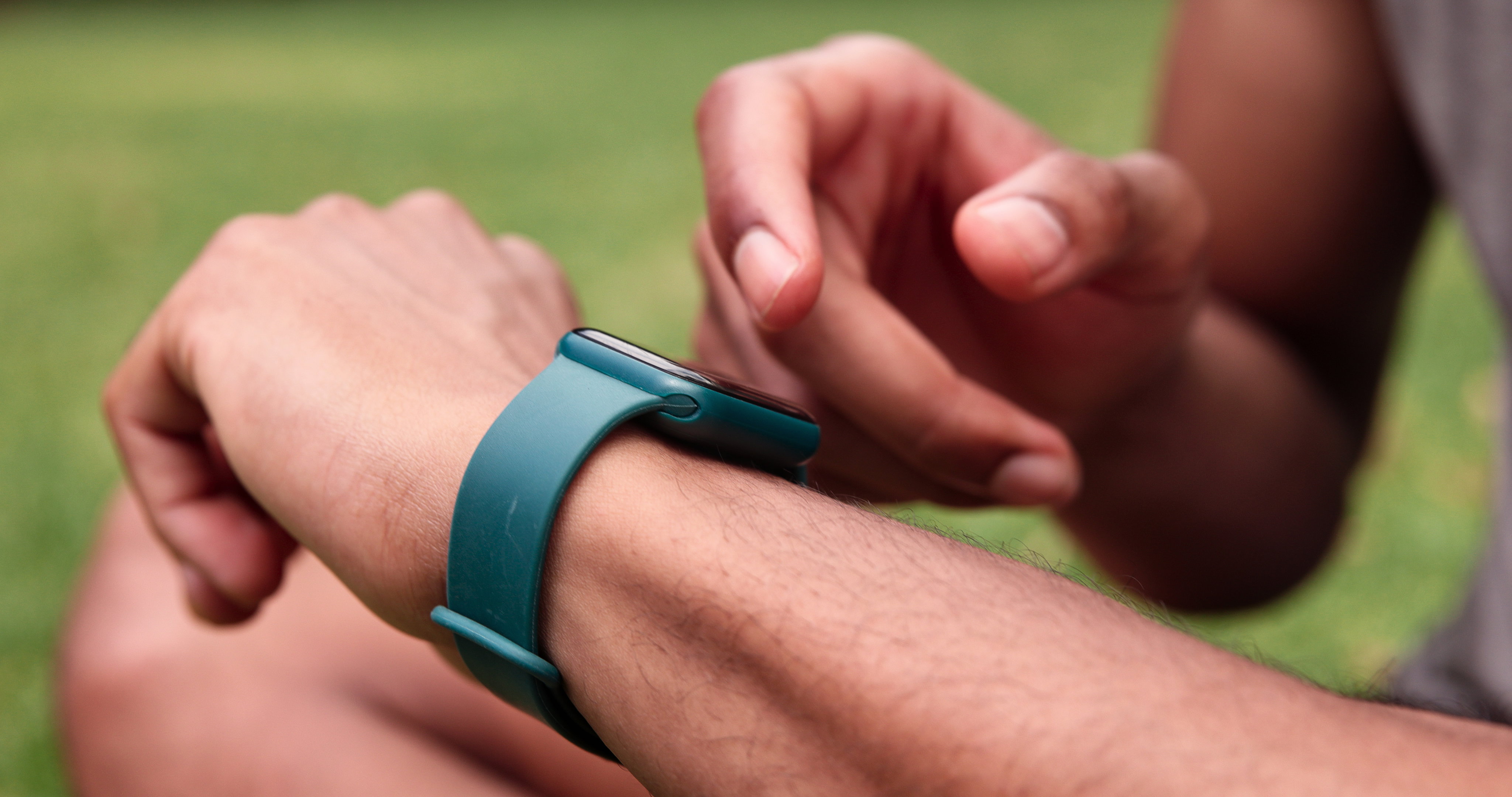
Fitness improvements take time. Changes in strength, endurance, body composition, and performance do not happen overnight.When expectations are unrealistic, people may become discouraged before their habits have had time to produce meaningful results.
Making fitness unnecessarily complicated
If your workout programme requires too much travel, too much time, or too many difficult decisions, it may be harder to maintain consistently.The solution is to create a routine that fits your real life rather than an idealised schedule.Massage cannot solve all these challenges, but it may support one important part of the process: making time for relaxation and recovery.The goal is not to depend on massage to achieve fitness results. It is to use suitable recovery practices to support a routine you can maintain.
2. How Massage May Support Post-Workout Recovery
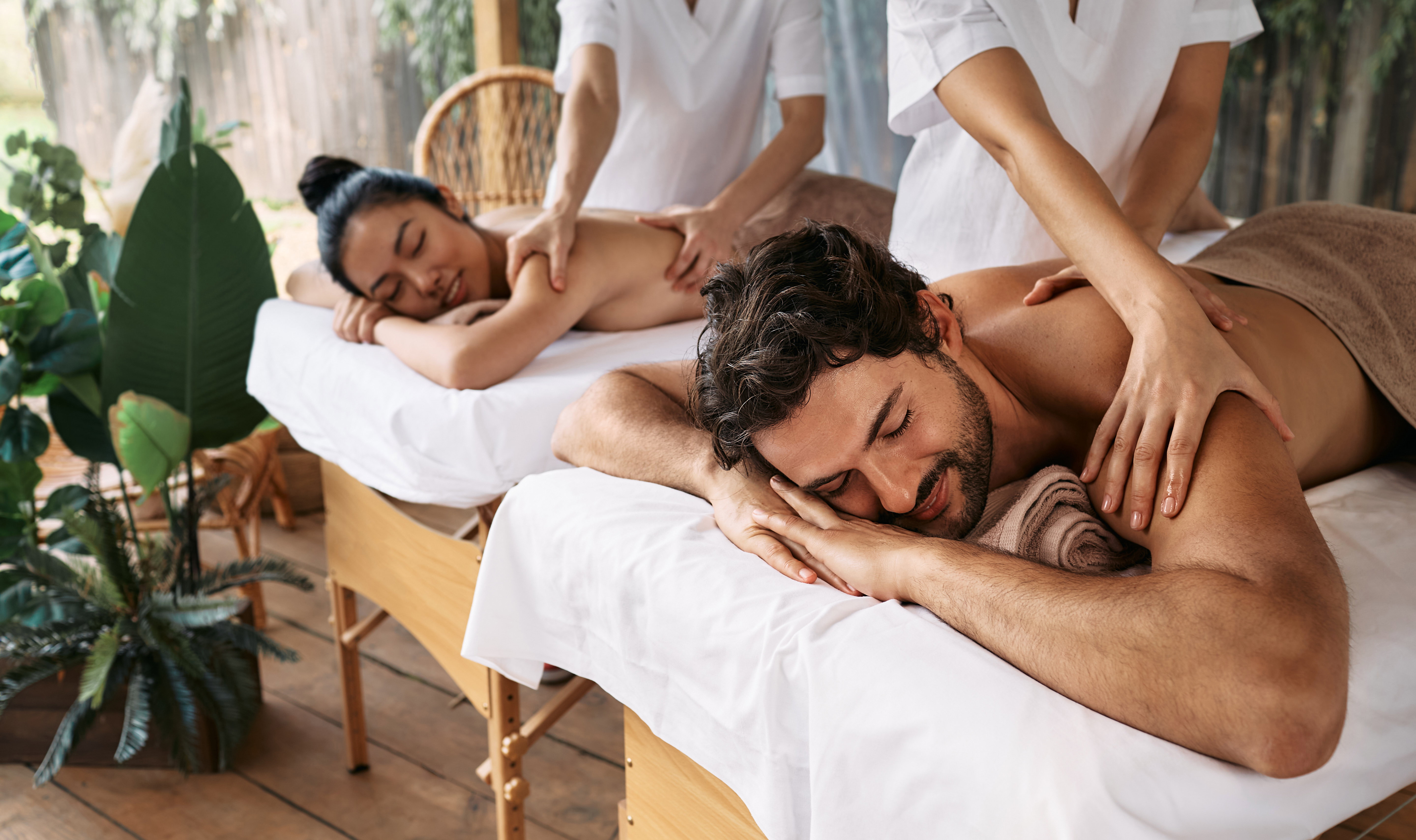
When you begin a new exercise programme or increase your training intensity, you may experience delayed-onset muscle soreness, commonly called DOMS.This soreness often develops after unfamiliar or strenuous exercise, particularly activities involving eccentric muscle contractions, such as the lowering phase of a squat.You may notice stiffness, tenderness, or reduced comfort when moving the affected muscles.DOMS commonly develops during the first day or two after exercise and gradually improves over several days. Its severity varies from person to person.Massage may help some people experience less soreness or feel more comfortable following exercise, although research findings vary and massage is not a guaranteed recovery method.
How can massage help?
A massage session may provide several potential benefits:
- Relaxation: Massage can create an opportunity to unwind after a demanding workout.
- Temporary relief from muscular tension: Some people find that massage reduces the feeling of tightness in particular areas.
- Perceived recovery: Research suggests massage may help reduce the subjective experience of post-exercise soreness for some people.
- Comfort and well-being: A relaxing session may help you feel more comfortable as part of your recovery routine.
It is important to distinguish between feeling better and recovering faster in every physiological sense. Massage has not been shown to reliably improve all measures of muscle repair, strength recovery, or athletic performance.For the best results from your fitness programme, continue prioritising adequate sleep, sufficient nutrition, appropriate hydration, sensible training loads, and recovery days.
Why mobile massage may be convenient after exercise
Imagine finishing a challenging workout, returning home, taking a shower, and having an appointment with a professional massage therapist at a suitable time.Instead of travelling elsewhere for treatment, you can explore the option of arranging a mobile massage at home.For people with demanding schedules, this convenience may make it easier to include massage in their wellness routine.
3. Massage for Muscle Soreness: What You Should Know

Muscle soreness is one of the reasons some people abandon a new exercise routine.After an unfamiliar workout, ordinary activities such as climbing stairs, sitting down, or lifting your arms may temporarily feel uncomfortable.It is important to understand that some muscle soreness can be a normal response to unfamiliar exercise. However, more soreness does not mean a workout was more effective, and you do not need to be in pain to make progress.
Can massage reduce muscle soreness?
Some research indicates that massage may modestly reduce perceived delayed-onset muscle soreness after exercise. However, the effects differ between individuals, and massage should not be expected to eliminate soreness completely.A therapist may adapt the session to your preferences and avoid applying excessive pressure to particularly tender muscles.If you are new to exercise, a gentle, relaxation-focused massage may be more comfortable than an intense deep tissue session.
When should you avoid massage?
Do not use massage to push through severe or unexplained pain.Seek medical assessment if you experience significant swelling, severe weakness, sharp or worsening pain, or other symptoms that seem unusual for normal post-workout soreness.Severe muscle pain accompanied by dark, tea- or cola-coloured urine after strenuous exercise can indicate a serious condition called rhabdomyolysis and requires urgent medical care.Massage is not a substitute for diagnosing or treating an exercise-related injury.The aim is to support your well-being, not to ignore warning signs.
4. Mobile Massage for People Who Want to Lose Weight
Weight loss is one of the most common New Year resolutions.Many people want to improve their body composition, feel more comfortable in their clothes, increase their energy, or reduce health risks associated with excess body weight.Achieving sustainable weight loss generally involves maintaining an appropriate energy balance over time, alongside habits such as regular physical activity, adequate sleep, and a balanced diet.So where does massage fit into the picture?
Massage does not directly burn meaningful amounts of body fat
It is important to be realistic.Massage does not melt fat, permanently remove belly fat, or replace exercise and nutrition. Claims that massage alone produces significant, lasting weight loss are not supported by strong evidence.However, massage may have an indirect role in a person's overall wellness routine.For example, someone who enjoys massage may use it as an opportunity to relax after a demanding week. That experience may help them feel more comfortable and make self-care feel more manageable.A massage appointment can also serve as a reminder to pay attention to physical comfort rather than treating the body only as something to change.
Build your weight-loss routine around sustainable habits
If your goal is to lose weight this year, consider focusing on the fundamentals:
- Choose an eating pattern that supports your nutritional needs and is realistic to maintain.
- Include physical activity you enjoy, such as walking, cycling, swimming, dancing, or strength training.
- Increase your exercise gradually rather than attempting an extreme transformation in a few weeks.
- Prioritise sufficient sleep and regular opportunities for recovery.
- Track meaningful progress over time rather than judging yourself by daily fluctuations in weight.
Massage can complement these habits if you enjoy it, but it should not be treated as the mechanism that produces fat loss.At Passion Mobile Massage, our role is to provide a convenient massage experience that can fit alongside your wider wellness goals.
5. Massage for Muscle Building and Strength Training

If your New Year resolution is to build muscle, you may be planning to lift weights, follow a progressive resistance-training programme, or increase your strength.Strength training challenges muscles and other tissues. With appropriate programming and recovery, the body adapts over time.However, increasing training volume too quickly or neglecting rest can leave you excessively fatigued and make your programme difficult to sustain.
Can massage help people who lift weights?
Massage may help some people feel less sore or tense after training. It can also provide a relaxing break between demanding sessions.However, it is not a substitute for the key factors involved in building muscle, including progressive resistance training, adequate protein and overall energy intake, sleep, and appropriate recovery.There is no need to receive a massage after every workout. The frequency should reflect your preferences, budget, training demands, and individual response.
Why pressure matters
Deep tissue massage is sometimes marketed as the ideal option for people who lift weights, but stronger pressure is not automatically more effective.A very intense session may increase discomfort, especially when muscles are already tender.Discuss your training schedule and preferences with your therapist. If you have a competition or demanding training session approaching, consider whether a gentler treatment would be more appropriate.The goal is to feel comfortable and supported, not to add more physical stress to an already demanding routine.
6. Improve Your Flexibility and Movement Comfort

Flexibility and mobility are important components of many fitness programmes.Whether you practise yoga, strength train, run, dance, or participate in recreational sports, comfortable movement can make everyday activities and exercise more enjoyable.Some people experience a feeling of stiffness after prolonged sitting, repetitive movements, or demanding workouts.Massage may temporarily improve the perceived ease of movement or range of motion for some individuals. However, it should not be considered a permanent solution for restricted mobility or a replacement for appropriate exercise.
Combine massage with movement practices
If improving mobility is one of your goals, consider combining several approaches:
- Perform an appropriate warm-up before exercise.
- Practise mobility exercises suited to your activity.
- Use gradual, consistent stretching when appropriate.
- Strengthen muscles through a balanced training programme.
- Avoid forcing a joint or muscle into painful positions.
- Seek professional assessment for persistent restrictions or pain.
Massage can be an additional option for relaxation and muscular comfort, rather than the main strategy for increasing flexibility.
A practical example
Suppose you spend much of the day sitting at a desk and have recently started strength training.You may find your upper back and shoulders feel tight after long working hours.A combination of movement breaks, appropriate strengthening exercises, adjustments to your workstation, and occasional massage may help you manage discomfort more effectively than relying on massage alone.This is the broader principle of sustainable wellness: use different tools to support different needs.
7. Why Mobile Massage Works for Busy Fitness Enthusiasts

One of the biggest barriers to consistent self-care is time.You may already be balancing work, family responsibilities, exercise, social commitments, and household tasks. Adding another journey to a separate treatment location can make massage seem inconvenient.Mobile massage offers a practical alternative by bringing the service to a suitable location, subject to the provider's availability and service area.
Convenience after a workout
If you exercise at home or have a demanding daily schedule, you may prefer to arrange a massage at home rather than travel to another location.A mobile appointment can help reduce the logistical effort involved in arranging the experience.
Flexibility for different lifestyles
Mobile massage may appeal to:
- Gym members with demanding work schedules.
- Runners and recreational athletes.
- People returning to exercise after a break.
- Professionals who spend long hours sitting.
- Individuals who enjoy massage as part of their wellness routine.
More control over your environment
Some people appreciate receiving massage in a familiar environment.A suitable home setting may offer privacy and convenience, provided there is adequate space, appropriate equipment, and a clean environment for the therapist to work.You should still confirm the service details, arrival time, and any preparation requirements in advance.Mobile massage does not replace the value of visiting a physiotherapist or healthcare professional when rehabilitation or medical assessment is required. It is a separate wellness service that may complement an appropriate exercise routine.
8. Sports Massage: Is It Right for Your Fitness Goals?
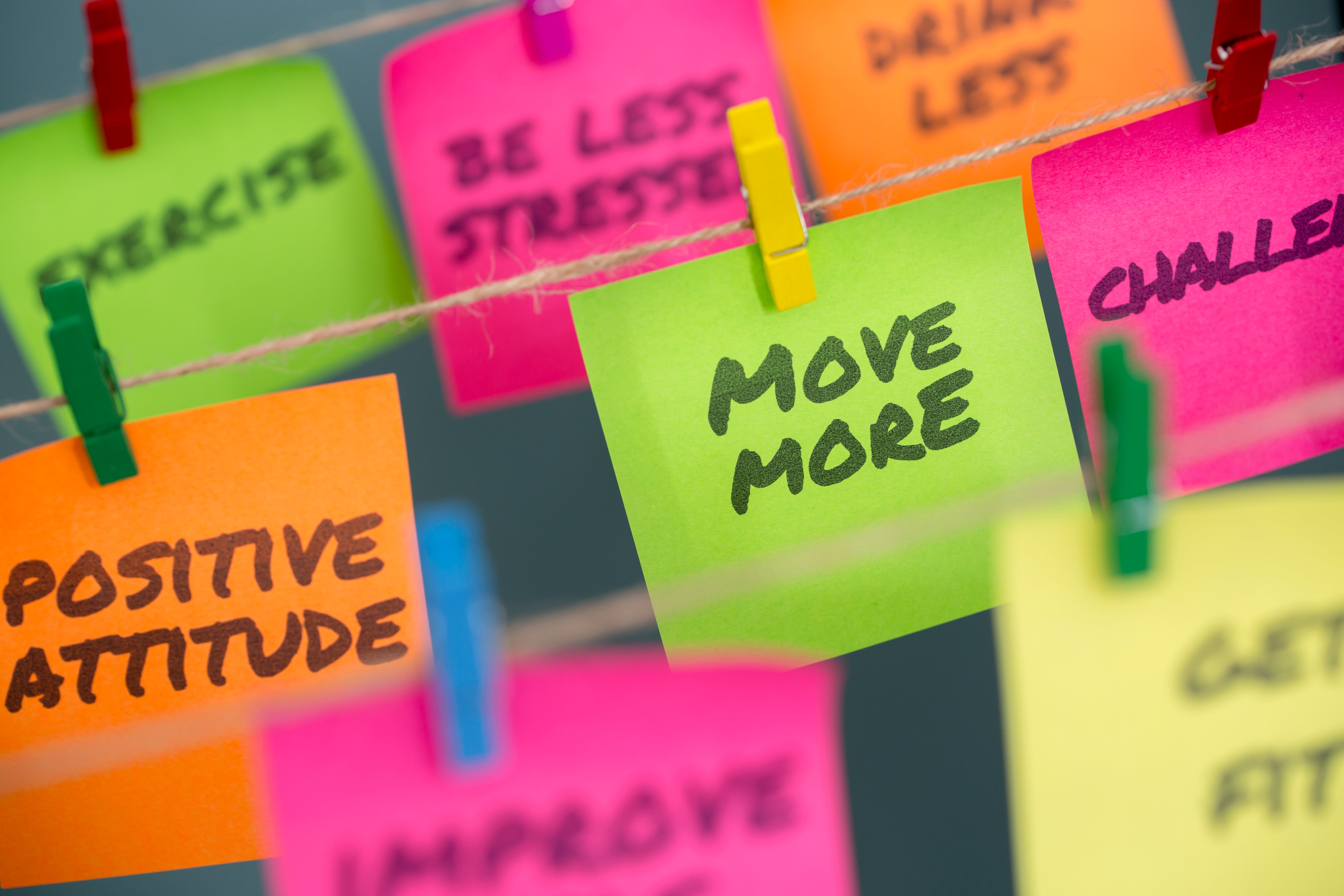
If you participate in running, football, cycling, weightlifting, tennis, or other sports, you may have heard about sports massage.Sports massage commonly uses techniques selected according to an individual's activity, preferences, and treatment goals.Depending on the practitioner and the service offered, it may involve focused work on muscles used during sport or exercise.
Potential uses of sports massage
Some athletes and recreational exercisers use sports massage to:
- Support relaxation after demanding training.
- Manage the feeling of muscular tightness.
- Enjoy a structured recovery routine.
- Prepare for or unwind after sporting activities, depending on timing and technique.
Evidence varies, and sports massage does not guarantee better performance, prevent all injuries, or speed every aspect of recovery.It should not replace training preparation, appropriate warm-ups, strength and conditioning, rest, or injury assessment.
Before booking a sports massage
Consider your training schedule and the intensity of the session.A vigorous treatment immediately before a competition may not be ideal for everyone, especially if it causes soreness. Discuss your goals with a suitably trained practitioner and select an approach appropriate to the timing of your event.If you have an acute injury, unexplained swelling, suspected fracture, or other concerning symptoms, seek appropriate medical assessment rather than attempting to treat the problem with massage.For those who enjoy sports and active living, a carefully chosen massage may be a useful addition to a wider wellness plan.
9. Massage, Sleep, and Exercise Recovery
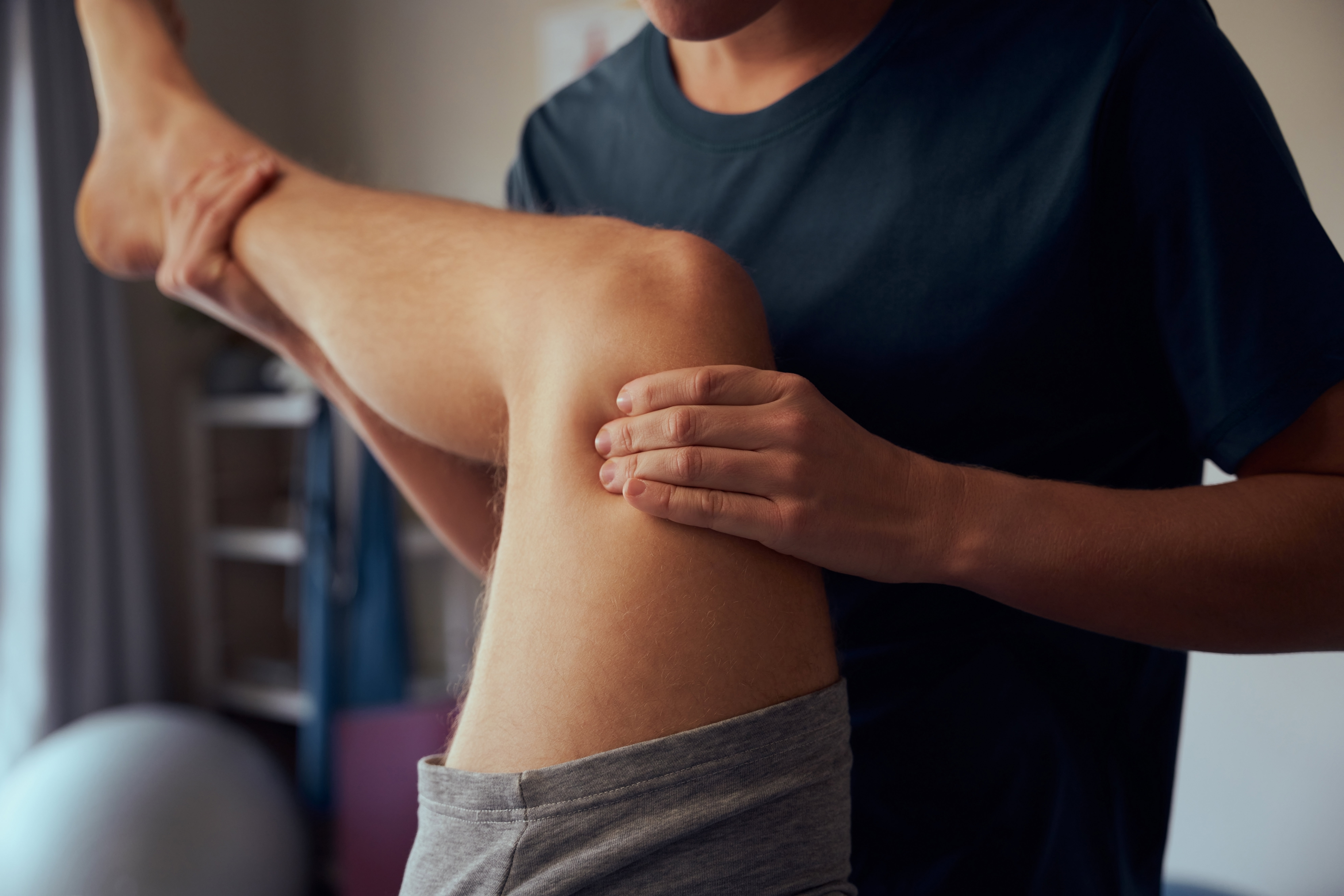
Sleep is one of the most important parts of a sustainable fitness routine.During sleep, the body carries out many processes involved in recovery, tissue maintenance, learning, and adaptation to exercise.When you regularly sleep too little, workouts may feel harder, motivation can suffer, and your ability to recover may be affected.Unfortunately, people who are trying to improve their fitness sometimes focus heavily on training while overlooking their sleep habits.
Can massage help you sleep better?
Some people find massage relaxing and report improved sleep after a session. Research has explored massage and sleep outcomes in various populations, but the evidence is not strong enough to promise that massage will resolve sleep problems.A calming massage may nevertheless be a pleasant part of an evening routine if it helps you unwind.
Build a better recovery routine
Try these practical habits:
- Maintain a reasonably consistent bedtime and waking time.
- Allow enough time for sleep based on your age and individual needs.
- Reduce stimulating activities close to bedtime if they interfere with your rest.
- Avoid scheduling demanding workouts so late that they disrupt your sleep.
- Create a comfortable, quiet sleeping environment.
- Consider a relaxing activity, such as reading or a suitable massage, if you find it helpful.
If sleep difficulties persist or significantly affect your daily life, consider seeking advice from a healthcare professional.A mobile massage appointment may help you create a relaxing evening, but good sleep habits remain central to recovery.
10. How Often Should You Book a Massage While Working on Your Fitness Goals?

There is no universal massage schedule that every fitness enthusiast needs to follow.Some people enjoy an occasional session after a demanding training period. Others prefer regular appointments because they find massage relaxing and can comfortably include it in their budget.The appropriate frequency depends on factors such as:
- Your exercise routine and training load.
- Your personal preferences and response to massage.
- Your budget and available time.
- The type and intensity of treatment.
- Any relevant health conditions or injuries.
Start with your actual needs
If you are new to massage, you do not need to commit to frequent appointments immediately.You might begin with an occasional relaxation session and assess how you feel afterward.If you prefer deep tissue or sports massage, communicate your preferences and allow sufficient time to assess your response before arranging another intensive session.Remember that massage is optional. You can make excellent fitness progress without it.Your core priorities should remain appropriate training, adequate nutrition, sleep, and recovery.At Passion Mobile Massage, we encourage clients to choose services that suit their individual needs rather than assuming that more frequent or more intense massage is always better.
11. A Simple Weekly Routine Combining Fitness and Massage
If you are beginning a New Year fitness journey, you may find it helpful to plan exercise and recovery together.Here is an example of a balanced week for a generally healthy beginner. Adapt the activities and intensity to your abilities, schedule, and any relevant healthcare advice.
| Day | Suggested activity | Recovery focus |
|---|---|---|
| Monday | Beginner strength workout | Hydration and adequate sleep |
| Tuesday | Comfortable walk or light activity | Gentle movement breaks |
| Wednesday | Strength workout | Balanced meals and rest |
| Thursday | Walking, cycling, or mobility work | Avoid unnecessary overexertion |
| Friday | Strength workout or preferred exercise | Assess fatigue and soreness |
| Saturday | Enjoyable recreational activity | Optional relaxing massage if desired |
| Sunday | Rest or gentle movement | Plan the coming week |
This is only an example, not a prescription. Your routine should reflect your starting fitness level, medical circumstances, and training goals.
Where does mobile massage fit?
You could arrange a massage on a day when you have enough time to enjoy the appointment without rushing.Some people prefer massage after a demanding training week. Others enjoy it as a separate relaxation activity.There is no requirement to schedule a massage immediately after exercise, and an intense session is not always suitable for sore muscles.The important thing is to plan recovery intentionally rather than waiting until exhaustion forces you to stop.
12. Common Myths About Massage and Fitness

Understanding what massage can and cannot do will help you make better decisions about your wellness routine.
Myth 1: Massage melts body fat
Reality: Massage does not directly remove body fat or replace a sustainable approach to weight management.
Myth 2: The more painful the massage, the better the results
Reality: Pain is not proof of effectiveness. Excessive pressure may increase discomfort, particularly after demanding exercise.
Myth 3: Massage replaces rest days
Reality: Massage does not replace adequate recovery time, sleep, or sensible training progression.
Myth 4: Everyone who exercises needs sports massage
Reality: Many people maintain effective fitness routines without regular massage. It is an optional service, not a universal requirement.
Myth 5: Massage prevents every sports injury
Reality: Massage cannot guarantee injury prevention. Appropriate training loads, technique, strength, recovery, and suitable medical care when needed remain important.
Myth 6: Mobile massage is only for luxury clients
Reality: Mobile massage is a service format based on bringing treatment to a suitable location. Whether it fits someone's budget depends on the provider's prices, travel arrangements, and the individual's circumstances.A realistic understanding of massage allows you to use it appropriately without expecting it to replace the fundamentals of fitness.
13. Why Choose Passion Mobile Massage for Your Wellness Routine?

Your New Year fitness journey should be built around habits that you can maintain.Exercise, balanced nutrition, adequate sleep, appropriate recovery, and consistency all play important roles. For people who enjoy massage, adding an occasional session may provide another way to make relaxation part of the process.Passion Mobile Massage focuses on bringing massage experiences closer to clients through a mobile service approach.Instead of requiring you to travel to a separate spa, you can enquire about arranging a suitable appointment at home or another appropriate location, subject to service availability.This may be particularly convenient if you:
- Have a busy professional schedule.
- Prefer receiving massage at home.
- Enjoy massage as part of your general wellness routine.
- Want to explore relaxation-focused treatments.
- Need a convenient appointment arrangement around your other commitments.
Before booking, let the provider know your location, preferred massage type, appointment time, and any relevant concerns.If you are managing an injury, persistent pain, or a medical condition, seek appropriate healthcare guidance before using massage as part of your recovery plan.Our aim is to make the experience convenient while encouraging clients to choose services that suit their preferences and circumstances.To explore available services, visit Passionmobilemassage.com and enquire about an appointment.
Frequently Asked Questions About Mobile Massage and Fitness
1. Can mobile massage help with post-workout soreness?
Massage may modestly reduce the perceived soreness some people experience after exercise. Results vary, and massage does not guarantee faster muscle repair or complete relief.
2. Is massage good after going to the gym?
Some people enjoy massage after gym sessions as part of their relaxation routine. The intensity and timing should suit your condition, particularly if your muscles are already tender.
3. Can massage help me lose weight?
Massage does not directly produce meaningful fat loss. Sustainable weight management relies on appropriate nutrition, physical activity, and other relevant health habits.
4. Is deep tissue massage suitable for bodybuilders?
It may suit some people who prefer firmer pressure, but it is not necessary for muscle growth and may cause temporary soreness. Discuss your training schedule and preferences with your therapist.
5. Does massage improve flexibility?
Massage may temporarily improve perceived movement comfort or range of motion in some people. Regular mobility work, suitable exercise, and appropriate treatment for underlying conditions remain important.
6. Can massage help me recover faster from exercise?
Massage may help reduce perceived soreness, but evidence for improvements in all aspects of recovery is mixed. Sleep, nutrition, training management, and rest remain essential.
7. How often should I receive a massage when exercising regularly?
There is no universally required frequency. Choose based on your preferences, budget, response to treatment, and training demands.
8. Can I book a mobile massage at home after a workout?
You may be able to arrange a home appointment, depending on the provider's service area, schedule, and location requirements. Confirm availability before booking.
9. Is sports massage necessary for beginners?
No. Beginners can make progress through appropriate exercise, gradual progression, rest, and nutrition without sports massage. Massage is an optional addition if it suits their needs.
10. How do I book a mobile massage with Passion Mobile Massage?
Visit Passionmobilemassage.com to enquire about services and availability. Include your location, preferred appointment time, and the type of massage you are interested in.
Conclusion: Build a Stronger Routine by Making Recovery Part of the Plan
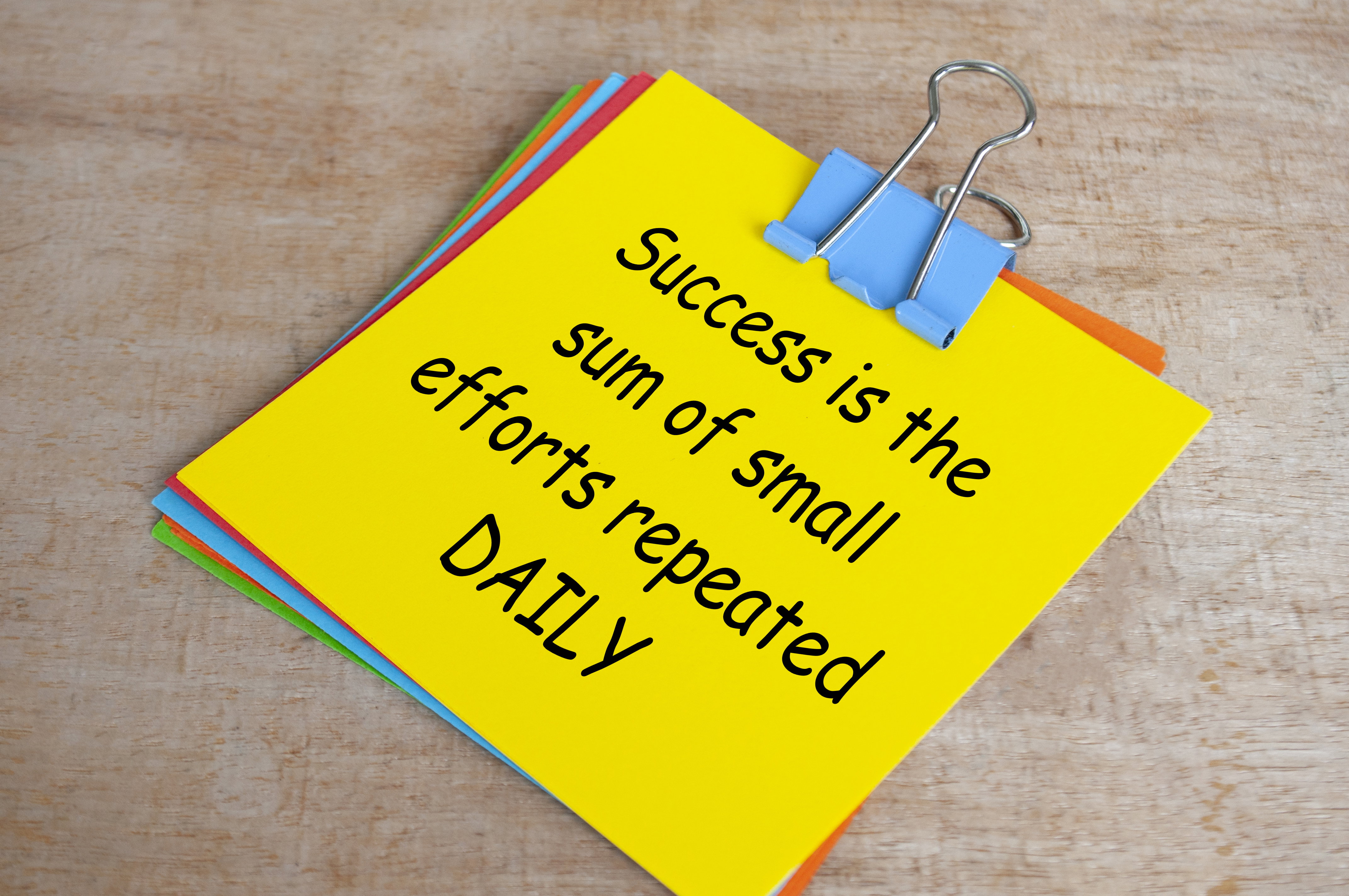
A new year can inspire you to make meaningful changes to your health and fitness.You may want to become stronger, improve your endurance, lose weight, move more comfortably, or simply develop a healthier relationship with exercise.Whatever your goal, remember that lasting progress rarely comes from doing everything at once.It comes from building realistic habits, training appropriately, nourishing your body, sleeping enough, and giving yourself time to adapt.Massage can be one optional part of that process. It may help you relax, temporarily ease perceived muscle soreness, and create a little space for personal care during a demanding week.With mobile massage, you can explore that experience without necessarily adding another journey to your schedule.At Passion Mobile Massage, we believe wellness should fit into your life. If massage is something you enjoy, consider making it part of a balanced routine that supports your wider fitness goals.You do not need to pursue a perfect body or follow an extreme programme to make meaningful progress. Start with achievable goals, celebrate consistency, and treat your body with care along the way.This year, do more than set fitness resolutions. Build habits that help you sustain them.Ready to make relaxation part of your wellness routine?Visit Passionmobilemassage.com to enquire about mobile massage services with Passion Mobile Massage.Passion Mobile Massage — bringing relaxation closer to you.
