Post-Holiday Recovery: Reset Your Body After the Festive Season
Introduction: Your Body Deserves a Reset After the Festive Season
The festive season is a time for celebration, family gatherings, travelling, parties, delicious meals, and reconnecting with the people who matter most. It is a period many people anticipate throughout the year, creating memories and enjoying a break from their usual routines.But once the celebrations are over, you may notice that your body does not feel as refreshed as you expected.Perhaps you spent hours travelling between cities, stayed up late attending celebrations, stood for long periods while preparing meals, or sat for extended periods during road trips. Maybe your sleep schedule changed, your eating habits became less predictable, or your usual exercise routine disappeared beneath a busy calendar.Now that the festive activities have slowed down, you may feel tired, stiff, less motivated, or simply ready to return to a more balanced routine.If this sounds familiar, you are not alone. Changes in sleep, activity, diet, and daily schedules can leave many people feeling out of rhythm after a demanding holiday period.The good news is that you do not need an extreme detox, a punishing exercise programme, or an unrealistic list of New Year resolutions to start feeling better.Post-holiday recovery begins with giving your body the consistent care it needs: adequate rest, hydration, balanced meals, gentle movement, and opportunities to relax.Massage can also play a role in your recovery routine by offering a dedicated opportunity to unwind and potentially ease the feeling of muscular tension.At Passion Mobile Massage, we believe self-care should be convenient and practical. Our mobile massage approach allows clients to explore relaxation services at a suitable location, helping them make time for personal well-being even when life becomes busy again.In this guide, we will explore why the festive season can leave you feeling exhausted, practical steps to reset your body, how massage may support relaxation, and how to build healthier habits for the year ahead.
1. Why Your Body May Feel Exhausted After the Festive Season
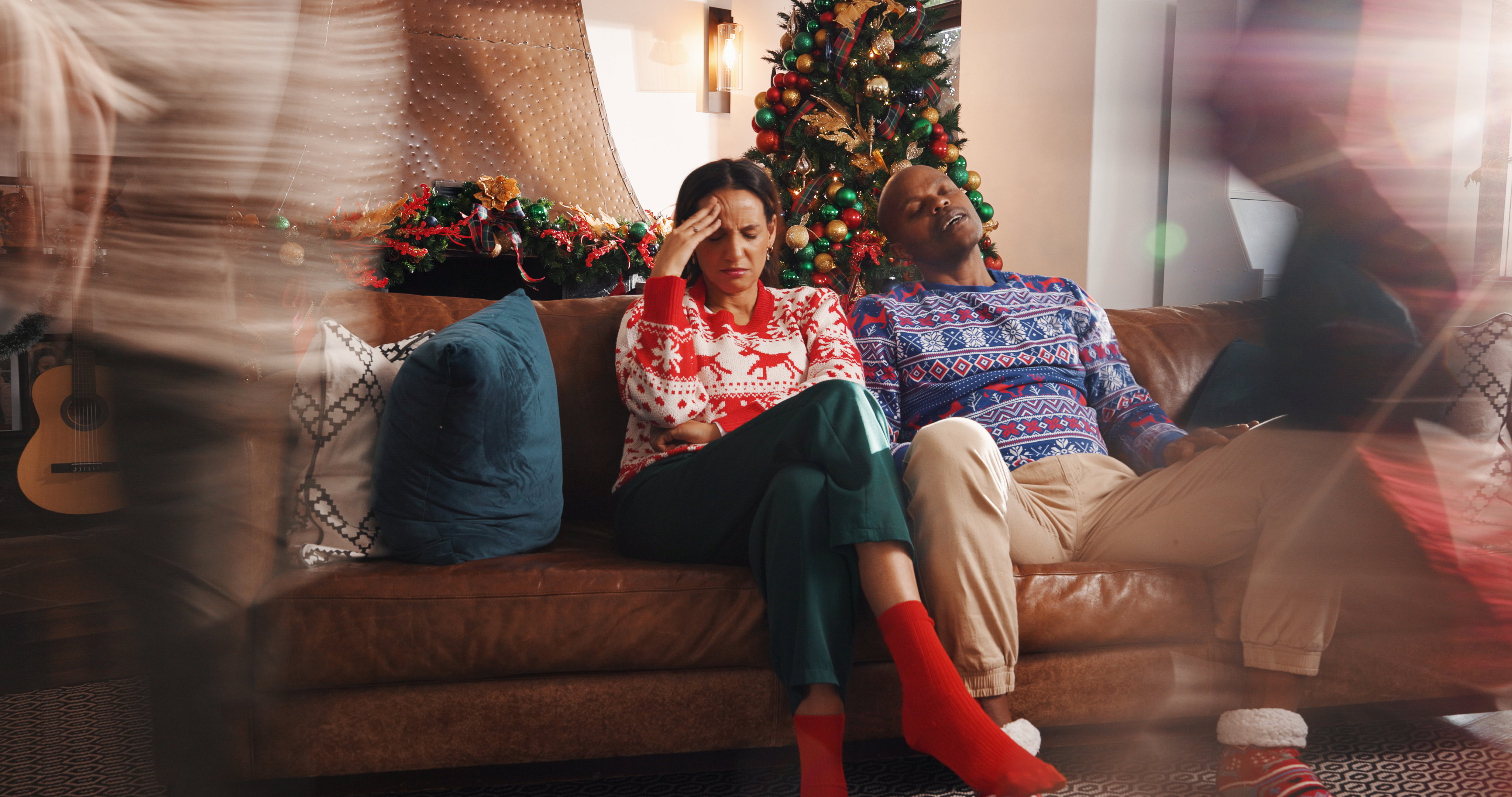
Before deciding how to recover, it helps to understand what may be contributing to your discomfort or fatigue.The festive season often changes several aspects of everyday life at once. Even enjoyable activities can become physically demanding when they occur repeatedly without enough time for rest.
Disrupted sleep patterns
Late-night parties, travel, family gatherings, entertainment, and irregular schedules can interfere with your normal sleeping routine.You may go to bed later than usual, wake up earlier than you would like, or experience less consistent sleep.Insufficient sleep can contribute to daytime tiredness, difficulty concentrating, irritability, and reduced motivation.Getting back to a regular sleep schedule is therefore one of the most useful starting points for post-holiday recovery.
Muscle tension from travel and prolonged sitting
Long road trips, flights, and extended periods in front of a television or computer can reduce opportunities to move.Remaining in one position for too long may contribute to stiffness or discomfort, particularly around the back, hips, shoulders, and neck.If you spent the holidays travelling between cities, visiting relatives, or attending events, you may benefit from gradually returning to regular movement and taking more frequent breaks from sitting.
Physical exhaustion from preparations and celebrations
Preparing meals, carrying shopping bags, cleaning, decorating, standing during events, and organising family gatherings can place additional demands on your body.If these activities were more intense than your usual routine, you may experience temporary muscular soreness or tiredness.Adequate rest and gentle movement can help you return gradually to your normal activities.
Changes in eating and drinking habits
Holiday meals may be larger, richer, or less predictable than your usual meals. Alcohol or sugary drinks may also feature more frequently for some people.These changes can affect how you feel, particularly if they coincide with reduced sleep, less movement, or inadequate hydration.You do not need to compensate for festive meals by starving yourself or exercising excessively. A return to regular, balanced eating is a more sustainable approach.
Mental fatigue and the return to responsibilities
The end of the holidays can also mean returning to work, managing finances, restarting business activities, or catching up on unfinished tasks.Switching from a relaxed schedule to a demanding routine may feel overwhelming.Giving yourself a little time to organise priorities, restore sleep, and make room for relaxation can help you approach the new season more comfortably.Understanding these possible contributors makes recovery easier to plan. Instead of trying to fix everything at once, focus on a few practical habits that address your actual needs.
2. Start With Better Sleep: Your First Step Toward Recovery
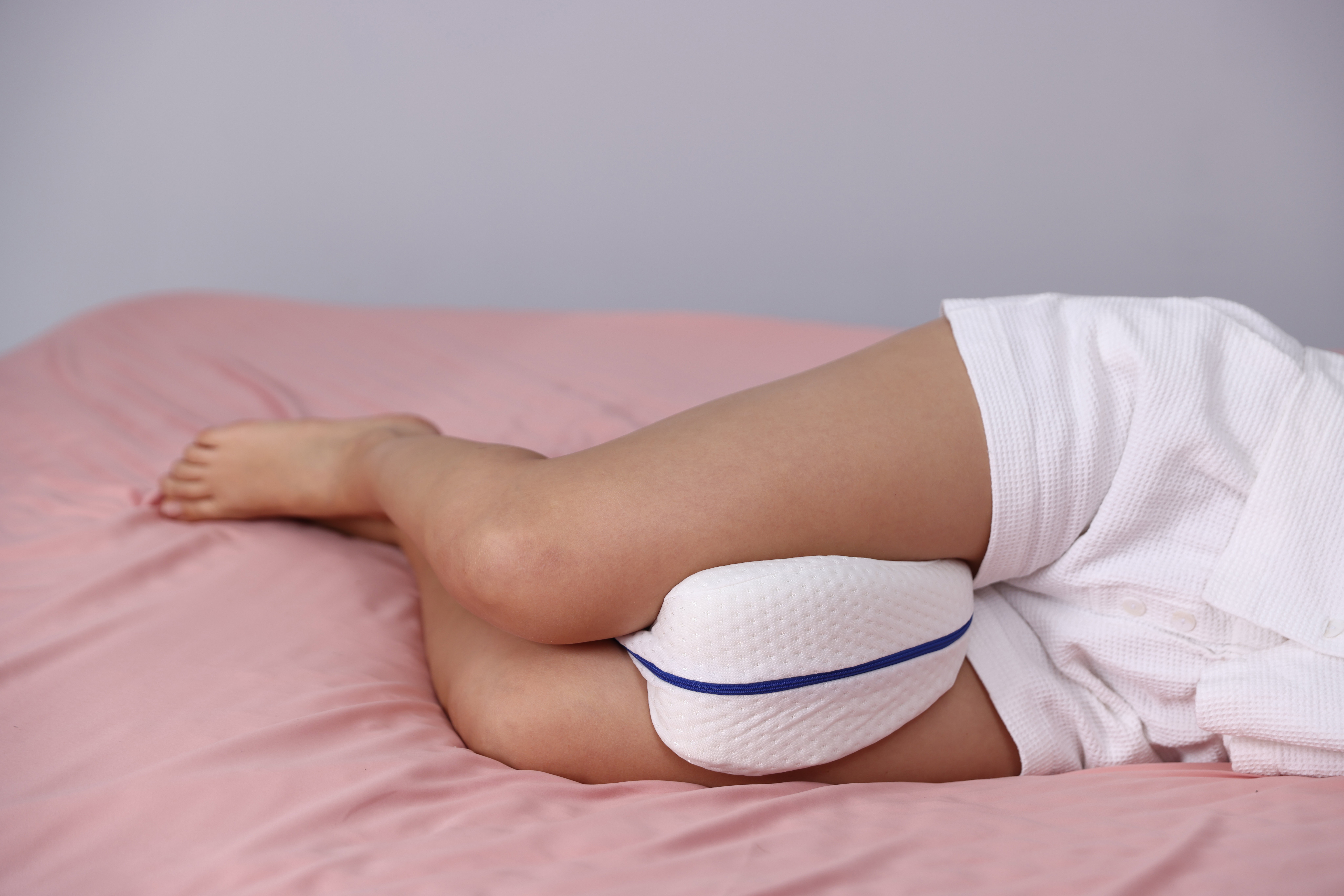
Sleep is essential for physical and mental well-being. It supports normal body functions, helps regulate mood, and contributes to recovery from everyday demands.If your sleep schedule changed during the holidays, restoring consistency can be a valuable first step.
Return to a regular bedtime
Choose a bedtime and wake-up time that you can maintain most days.If your schedule has shifted significantly, adjust it gradually rather than expecting your body to adapt immediately.For most adults, around seven to nine hours of sleep per night is a useful general target, although individual needs vary.
Create a calmer evening routine
The hour before bed can influence how easily you settle down.Consider reducing stimulating activities, dimming bright lights, preparing for the next day, and choosing a relaxing activity such as reading or listening to quiet music.If work-related thoughts keep you awake, write down the tasks you need to handle tomorrow. This can help you organise your concerns instead of repeatedly thinking about them in bed.
Make your bedroom comfortable
A reasonably cool, dark, quiet sleeping environment can support better rest.Where possible, keep your bedroom associated with sleep rather than turning it into a second office.
Where does massage fit in?
Some people find massage relaxing and enjoy incorporating it into an evening self-care routine.A comfortable massage session may help you unwind, but massage is not a guaranteed treatment for insomnia or other sleep disorders.If sleep difficulties persist or significantly affect your daily life, consider speaking with a qualified healthcare professional.Practical tip: Start by improving your sleep schedule before adding several other wellness goals. Better rest can make it easier to maintain movement, prepare balanced meals, and manage daily responsibilities.
3. Rehydrate and Return to Balanced Eating
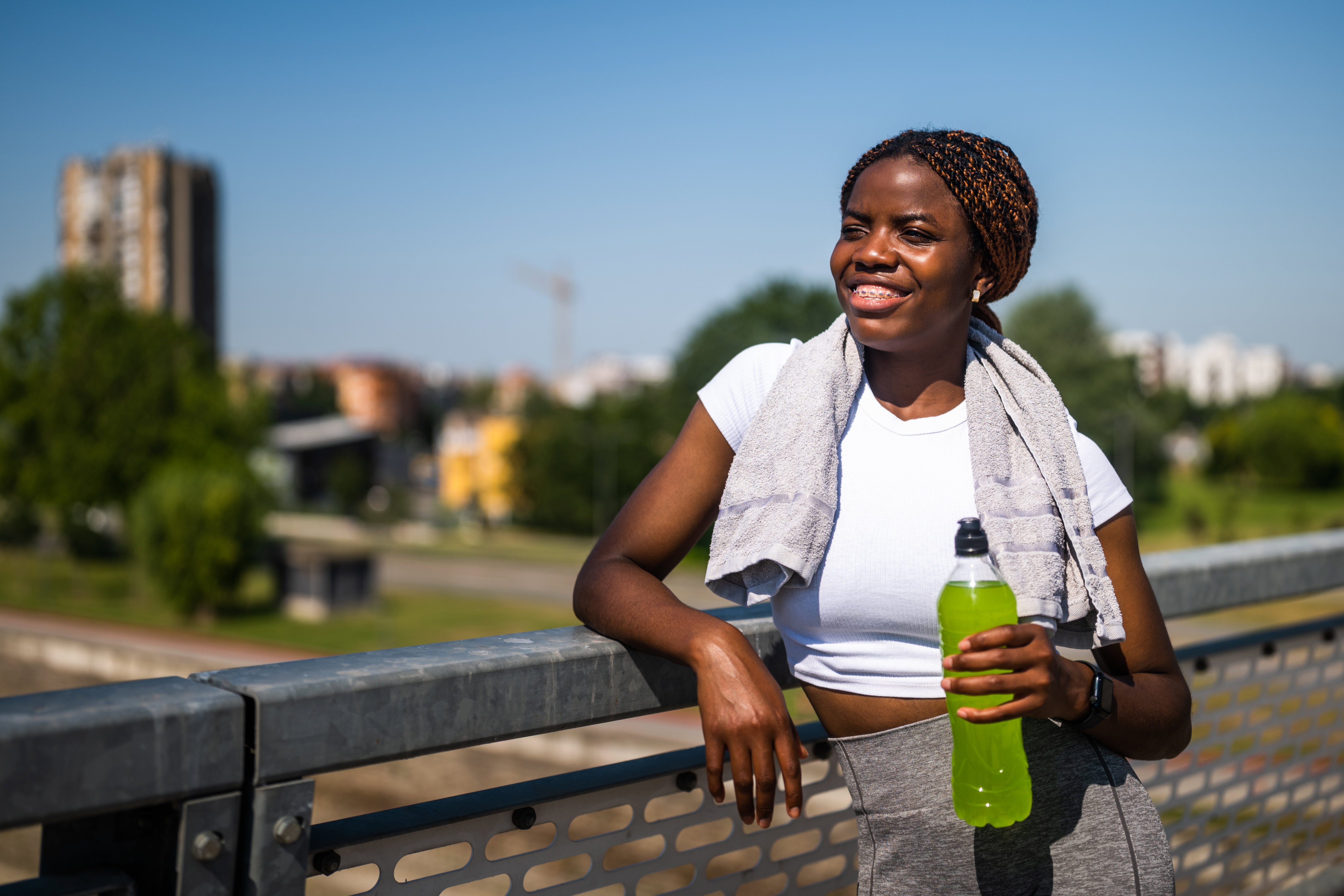
After a festive season filled with travel, celebrations, and irregular meals, you may want to restore a more consistent eating and drinking routine.The objective is not to punish yourself for what you ate during the holidays. It is to give your body the nutrients and fluids it needs to function normally.
Drink water regularly
Hydration needs vary according to factors such as temperature, physical activity, body size, and individual health.Rather than following an extreme water challenge, drink water regularly throughout the day and pay attention to thirst and your usual hydration needs.If you have been sweating heavily or exercising in hot weather, you may need additional fluids.People with medical conditions that require fluid restrictions should follow their healthcare professional's advice.
Eat balanced meals

Build meals around a variety of foods, including vegetables, fruits, whole grains, protein sources, and healthy fats.For example, a balanced meal might include rice or another whole grain, vegetables, beans or fish, and a source of healthy fat.You do not need to eliminate carbohydrates or skip meals to recover from festive eating.
Return to a predictable routine
If you ate at irregular times during the holidays, plan meals around your normal daily schedule.Keeping nutritious foods readily available can reduce the temptation to rely entirely on convenience foods when work becomes busy again.
Avoid extreme detox plans
Your body already has systems, including the liver and kidneys, that help process and eliminate waste products.Commercial detox teas, extreme fasting plans, and restrictive cleanses are not necessary for routine post-holiday recovery and may be harmful.A better approach is to eat balanced meals, stay appropriately hydrated, sleep well, and return to your normal activities gradually.These habits provide a more realistic foundation for long-term well-being.
4. Move Your Body Gently Before Returning to Intense Exercise
After several weeks of reduced activity, it can be tempting to begin January with an ambitious exercise routine.You might decide to run every morning, complete demanding gym sessions, or work out intensely to compensate for the festive season.However, a sudden increase in exercise can leave you excessively sore or increase the risk of injury, especially if you have not been active recently.A gradual return to movement is often more sustainable.
Start with walking
Walking is a simple way to reintroduce regular activity.You can begin with a manageable duration and gradually increase it according to your fitness, comfort, and schedule.A short walk in the morning or evening can also create a useful transition between work and personal time.
Take breaks from sitting
If you spend much of the day at a desk, set aside opportunities to stand, stretch gently, or walk around.Small movement breaks can reduce the time spent in one position and may help with everyday stiffness.
Try gentle stretching
Comfortable mobility exercises can help you move areas that feel stiff after travel or prolonged sitting.Avoid forcing a stretch or pushing through sharp pain. If an exercise causes significant discomfort, stop and seek appropriate guidance.
Return to exercise gradually
If you normally run, lift weights, cycle, or participate in sports, resume at a level appropriate to your recent activity.Increase intensity and duration progressively rather than attempting to complete everything you missed during the holidays in one week.Massage may complement an active lifestyle by offering relaxation, but it should not replace appropriate training, recovery time, or medical assessment for an injury.
5. How Mobile Massage Can Support Post-Holiday Recovery
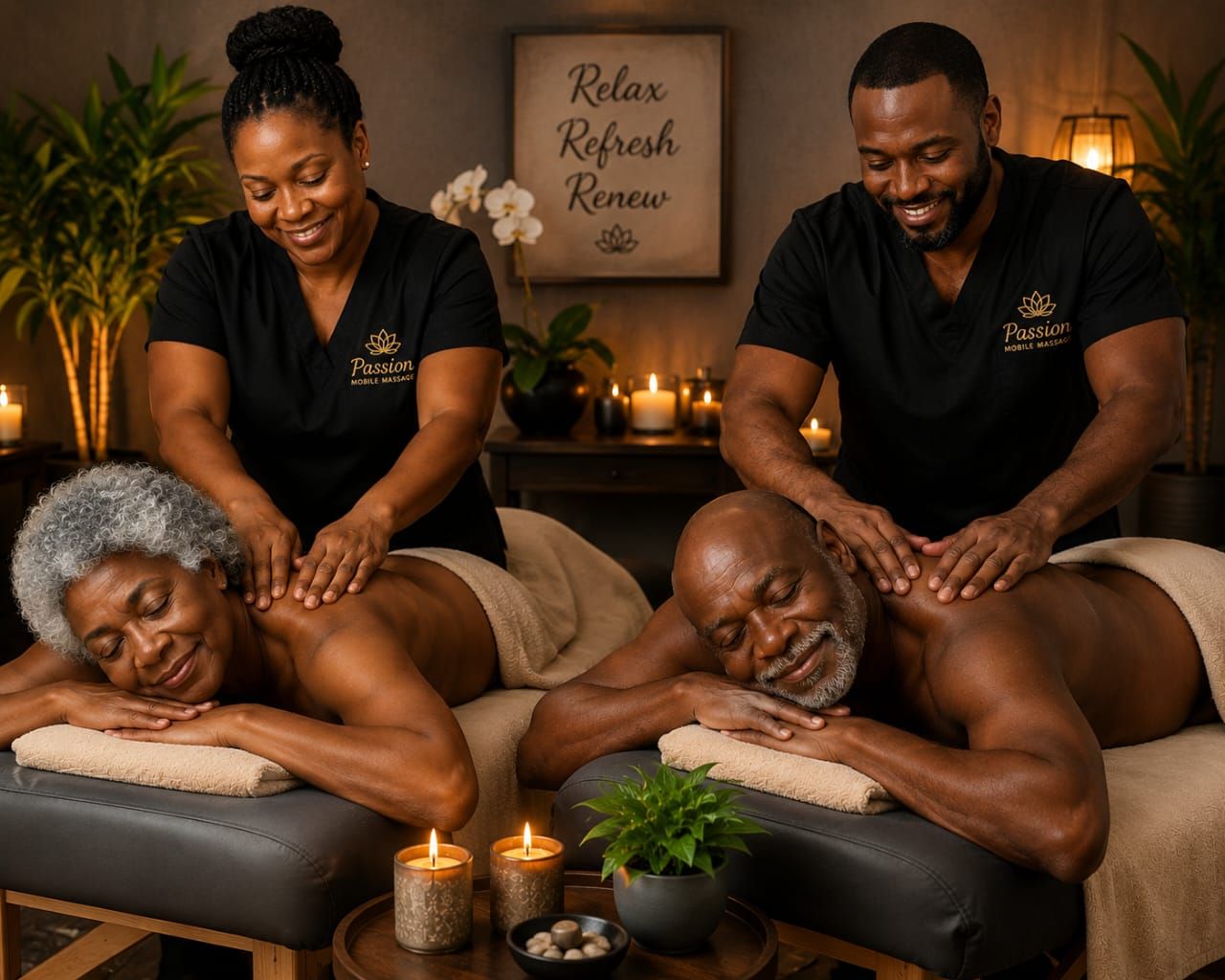
After a demanding festive season, you may want to spend less time rushing between appointments and more time looking after yourself.A mobile massage offers one practical option.Instead of travelling to a separate spa, you can enquire about arranging a massage at home or another suitable location, subject to service coverage and availability.This can make relaxation easier to schedule, particularly if you are returning to work, managing family responsibilities, or trying to rebuild a consistent routine.
A. An opportunity to relax
Massage involves therapeutic touch and can be an enjoyable way to set aside time for personal care.Many people find a suitable session calming, especially when it takes place in a comfortable environment with minimal distractions.Relaxation experiences can be valuable when combined with adequate sleep, regular movement, and sensible management of daily responsibilities.
B. Help with the feeling of muscular tension
Depending on the person and the technique used, massage may help reduce the sensation of muscle tightness or discomfort.This may be appealing after long journeys, prolonged sitting, or physically demanding festive preparations.However, massage does not guarantee relief from pain, and persistent or unexplained symptoms should not automatically be attributed to ordinary muscular tension.
C. Convenient self-care
One of the main advantages of mobile massage is the reduction in travel requirements.If your schedule is busy, having the service come to an agreed location may make it easier to keep your appointment.The exact arrangements depend on the provider's service area, equipment, and availability.
D. A dedicated break from daily responsibilities
Booking a massage can create a specific period in your calendar for relaxation.For people who frequently postpone self-care, having an appointment scheduled may make it easier to protect that time.It is not necessary to wait until you are completely exhausted before making room for rest.
E. A personalised experience
Different people have different preferences.Some enjoy gentle relaxation-focused massage, while others prefer firmer pressure or attention to selected muscle groups.A professional consultation can help establish what is appropriate for your preferences and circumstances.At Passion Mobile Massage, we encourage clients to discuss their needs and confirm a suitable service before booking.
6. Which Massage Should You Consider After the Festive Season?

The best massage depends on your preferences, the type of discomfort you are experiencing, your health circumstances, and the availability of an appropriately trained therapist.Here are some common options to discuss with a professional.
Swedish massage for relaxation
Swedish massage commonly uses flowing strokes and kneading techniques and is often chosen by people seeking a relaxation-focused experience.It may be a suitable option if you want to unwind after a busy festive period.
Deep tissue massage for focused muscular work
Deep tissue massage uses firmer, more focused techniques.Some people prefer it for working on areas of muscular tension, but stronger pressure is not necessarily more effective or appropriate for everyone. It may cause temporary soreness.If you have an injury, significant pain, a medical condition, or concerns about the treatment, discuss these with the therapist before proceeding.
Sports massage for active individuals
Sports massage may be considered by people who regularly exercise or participate in sports and want a massage approach tailored to their activity.The treatment should be selected according to your training, recovery needs, and the practitioner's qualifications.It should not replace assessment and treatment of a suspected injury.
Couples massage for shared relaxation
If you and your partner both enjoy massage, a couples appointment may provide a shared opportunity to relax after the holidays.Availability depends on whether the provider can arrange two therapists and the necessary equipment at your location.
Chair massage for busy professionals
For people returning to a demanding work schedule, chair massage may offer a shorter relaxation experience focused on areas such as the shoulders, upper back, and arms.It can be particularly convenient when a full-length treatment is not practical.Important: No massage technique is suitable for every person. A qualified practitioner should consider relevant health concerns and modify or postpone treatment when appropriate.
7. Create a Simple Seven-Day Post-Holiday Reset Plan
You do not need to change your entire lifestyle overnight. A simple seven-day plan can help you re-establish healthy routines without making recovery feel like another demanding project.<text color="secondary" size="sm">Use this as a flexible guide, adjusting activities to your circumstances and comfort.</text>
Day 1: Restore your sleep schedule
Choose a realistic bedtime and wake-up time. Prepare your sleeping environment and avoid filling the evening with unnecessary tasks.
Day 2: Re-establish regular hydration and meals
Keep water accessible and plan balanced meals. Avoid skipping meals or using restrictive diets to compensate for festive eating.
Day 3: Introduce gentle movement
Take a comfortable walk and include movement breaks throughout the day. If you are already active, return to your usual exercise gradually.
Day 4: Reduce unnecessary pressure
Review your responsibilities for the week. Identify what needs immediate attention and what can wait.Allow yourself to say no to avoidable commitments.
Day 5: Make time for relaxation
Choose an activity that helps you unwind. This could be reading, listening to music, spending time outdoors, or arranging a suitable massage.
Day 6: Organise your environment
Prepare your workspace, tidy a small area of your home, or plan the coming week.A more organised environment may make it easier to maintain routines and reduce avoidable stress.
Day 7: Review your progress
Ask yourself a few simple questions:
- Am I sleeping more consistently?
- Have I resumed regular movement?
- Am I eating and drinking more predictably?
- Do I have enough time to relax?
- Which habits feel realistic to continue?
Use your answers to decide what to maintain in the weeks ahead.This is not a medical detox or a guaranteed recovery programme. It is a practical way to rebuild routine and support general well-being after a busy period.
8. Don't Forget Your Mental and Emotional Recovery

Post-holiday recovery is not only about physical comfort.The transition from festive celebrations to ordinary responsibilities can also affect how you feel emotionally.During the holidays, you may have enjoyed time with loved ones, travelled to new places, or taken a break from your usual schedule. Returning to work or routine responsibilities may feel less exciting by comparison.Some people also experience financial concerns after holiday spending or feel pressure to begin the new year with ambitious goals.Instead of expecting yourself to return to peak productivity immediately, give yourself room to adjust.
Set realistic expectations
You do not have to achieve all your annual goals in the first week of January.Choose a few important priorities and work on them consistently.
Protect your personal time
If every available hour becomes occupied with work and obligations, relaxation can quickly disappear from your schedule.Reserve time for enjoyable activities, relationships, and rest.
Reconnect with meaningful activities
Consider activities that help you feel grounded, such as walking outdoors, talking to a trusted friend, practising a hobby, or spending quiet time away from screens.
Use massage as one part of your wellness routine
If you enjoy massage, it can be a useful opportunity to pause and focus on your comfort.However, massage is not a substitute for professional mental health support. If low mood, anxiety, or emotional distress persists or interferes with daily life, consider speaking with a qualified healthcare professional.A balanced recovery plan should support both physical and emotional well-being.
9. Common Post-Holiday Recovery Mistakes to Avoid
The desire to feel better quickly can sometimes lead to habits that are difficult to maintain.Here are several mistakes worth avoiding.
Mistake 1: Trying to compensate for every festive meal
Skipping meals, extreme dieting, or exercising excessively to compensate for holiday eating can be counterproductive.Return to balanced meals and regular activity instead.
Mistake 2: Expecting one massage to solve everything
Massage may promote relaxation and help some people feel less muscular tension, but it cannot replace sleep, hydration, movement, or appropriate medical care.Think of it as one component of a broader wellness routine.
Mistake 3: Returning to intense exercise too quickly
If you have been inactive, sudden high-intensity workouts may cause excessive soreness or injury.Build activity gradually and pay attention to how your body responds.
Mistake 4: Ignoring persistent pain or unusual symptoms
Do not assume that every ache, swelling, or episode of fatigue is caused by holiday activities.Severe or unexplained symptoms may require medical assessment before massage or exercise.
Mistake 5: Treating rest as a reward you must earn
You do not need to complete every task before you deserve a break.Rest and recovery are ordinary parts of maintaining a sustainable routine.
Mistake 6: Making too many resolutions at once
Changing your sleep, diet, exercise, work habits, finances, and social schedule simultaneously can feel overwhelming.Start with two or three manageable habits, then build on them.The best recovery plan is one you can continue after the initial motivation of the new year fades.
10. When Should You Seek Professional Medical Advice?
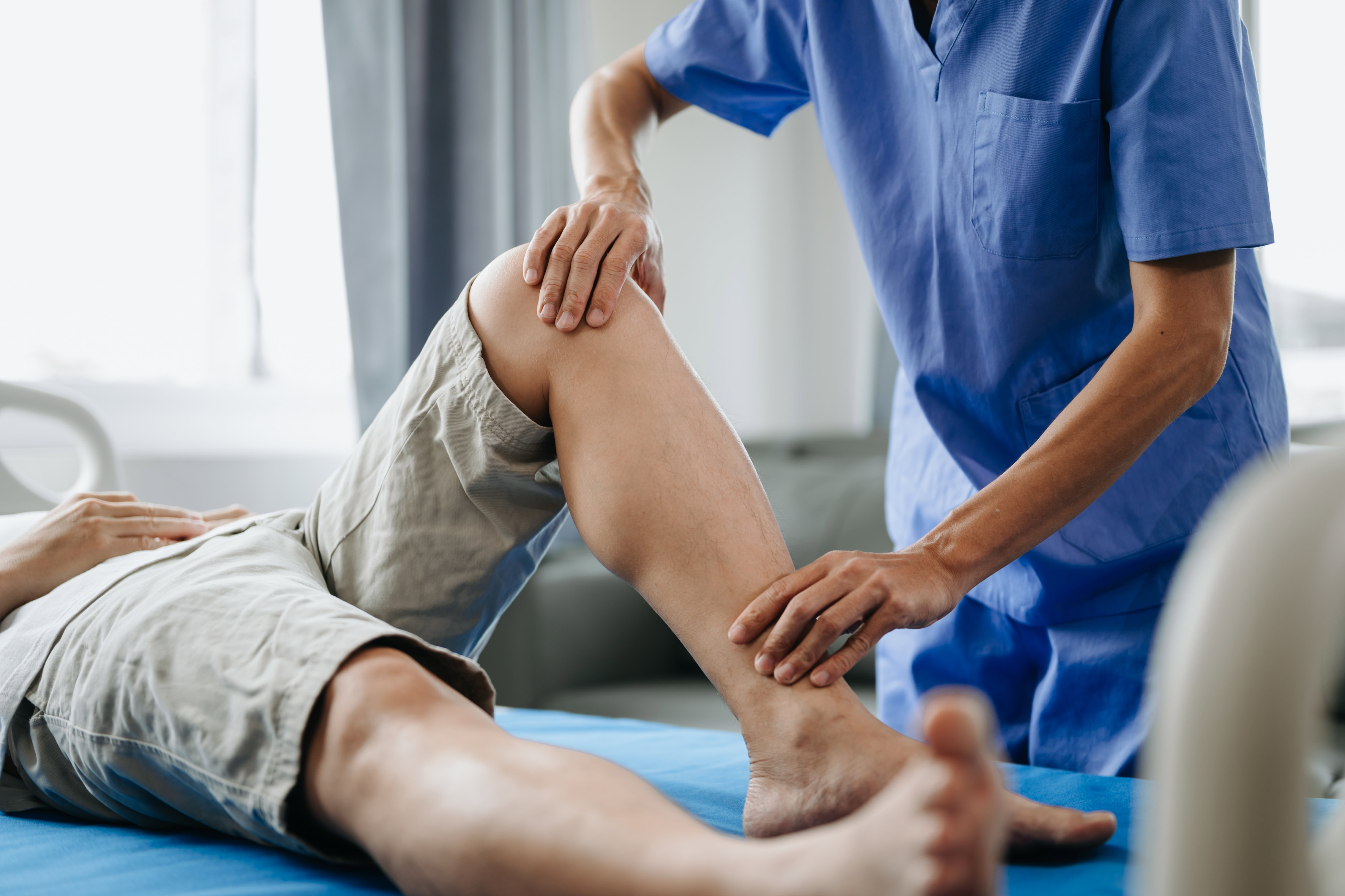
Most people can return to their normal routines gradually after a busy festive season. However, not every symptom should be managed through self-care alone.Seek appropriate medical assessment if you experience persistent or worsening pain, unexplained swelling, unusual weakness, or fatigue that does not improve with rest.If you have a recent injury, have undergone surgery, have a condition affecting circulation or sensation, or take medication that increases bleeding risk, discuss massage suitability with a qualified healthcare professional where appropriate.Sudden chest pain, difficulty breathing, fainting, or one-sided leg swelling accompanied by pain or warmth may indicate a medical emergency. Seek urgent medical care rather than attempting to manage these symptoms with massage.A professional massage therapist should ask relevant questions before treatment and should be willing to modify or decline a session when it may be inappropriate.Your safety matters more than completing a booking.
11. Why Choose Passion Mobile Massage for Your Post-Holiday Reset?

Returning to normal life after the festive season can mean catching up on work, organising your home, managing family commitments, and preparing for new goals.Finding time for relaxation may seem difficult, particularly when your calendar becomes busy again.Passion Mobile Massage offers a mobile approach to massage, helping clients explore suitable services without needing to travel to a separate spa.Whether you want a relaxation-focused massage after a demanding holiday period, an appointment that fits around your working hours, or a suitable couples massage experience, we invite you to enquire about available options.Our goal is to make the experience convenient while recognising that every client has different preferences and needs.When planning your appointment, consider the following:
- Your preferred location: Confirm that the provider serves your area.
- Your preferred treatment: Discuss the available massage styles and your expectations.
- Your schedule: Share your preferred date and time.
- Your comfort: Explain your pressure preferences and any areas you would like the therapist to avoid.
- Your health circumstances: Disclose relevant concerns so that suitability can be considered before treatment.
A professional consultation helps establish whether the requested service is appropriate.To explore available services, visit Passionmobilemassage.com and enquire about an appointment that fits your location and schedule.You do not need to wait until the next holiday or the next major celebration to make time for your well-being.A simple, planned moment of relaxation can be part of your routine throughout the year.
Frequently Asked Questions About Post-Holiday Recovery
1. What is post-holiday recovery?
Post-holiday recovery is the process of returning to a balanced routine after a period of celebrations, travel, disrupted sleep, irregular meals, or increased activity. It generally involves restoring sleep patterns, eating balanced meals, staying appropriately hydrated, resuming movement, and making time for relaxation.
2. Can massage help after the festive season?
Massage may promote relaxation and help some people feel less muscular tension or discomfort. Its effects vary, and it should complement rather than replace sleep, movement, balanced nutrition, or medical treatment when needed.
3. When should I book a massage after Christmas?
There is no universal ideal date. If you enjoy massage and it is suitable for you, you can enquire about an appointment when you are ready and the provider has availability.
4. Which massage is best for holiday-related muscle tension?
The most suitable technique depends on your preferences, symptoms, and health circumstances. Swedish massage may suit relaxation, while deep tissue massage uses firmer pressure and is not appropriate for everyone. Consult the therapist before deciding.
5. Can a mobile massage therapist come to my home?
Mobile massage may be available at home or another suitable location, depending on the provider's service area, availability, and equipment requirements. Confirm these details before booking.
6. How can I recover from holiday fatigue naturally?
Start by restoring a regular sleep schedule, eating balanced meals, drinking water according to your needs, taking gentle walks, and allowing time for relaxation. If fatigue persists or is unusual, seek medical advice.
7. Do I need a detox after Christmas?
Most people do not need a special detox or cleanse after ordinary festive eating. Your body has natural systems that process and eliminate waste. Balanced meals, hydration, sleep, and regular activity are more sensible starting points.
8. Can I exercise and get a massage on the same day?
For many healthy adults, gentle exercise and an appropriate massage may fit into the same day. However, consider the intensity of your workout, your comfort, and the treatment planned. Avoid deep or intense massage over an acute injury and seek professional guidance when necessary.
9. Is mobile massage suitable for busy professionals?
It may be a convenient option for professionals who prefer to arrange a massage at home or another suitable location. Availability, appointment times, and service coverage should be confirmed with the provider.
10. How do I book a post-holiday massage with Passion Mobile Massage?
Visit Passionmobilemassage.com to enquire about available services. Include your location, preferred date, treatment choice, and any relevant requirements so the team can assess the available arrangements.
Conclusion: Reset Your Routine, Restore Your Balance, and Make Time for Yourself
The festive season may be over, but your opportunity to care for yourself is only beginning.If you feel tired, stiff, or out of rhythm after weeks of celebrations, travel, and changing routines, you do not need to transform your entire life overnight.Start with the basics. Get adequate sleep. Drink water regularly. Eat balanced meals. Return to movement gradually. Organise your responsibilities and make time for activities that help you relax.If you enjoy massage, consider adding a suitable session to your recovery routine.A mobile massage can offer the convenience of enjoying an appointment at a suitable location without making a separate trip to a spa. For people with demanding schedules, that convenience can make personal care easier to plan.At Passion Mobile Massage, we believe that well-being deserves attention beyond the festive season. You do not have to wait until you are exhausted or overwhelmed before giving yourself permission to relax.Make this the year you stop postponing self-care.Visit Passionmobilemassage.com to enquire about available mobile massage services and take a practical step towards a more balanced routine.Your new year does not need to begin with pressure to become a completely different person. It can begin with small, consistent choices that help you feel more comfortable, rested, and ready for the days ahead.Passion Mobile Massage — bringing relaxation closer to you.
