The Ultimate Guide to Reversing Lifestyle Illnesses: How Massage Therapy Heals Sicknesses Caused by Bad Habits
Modern life is engineered for convenience, but our bodies are paying a steep price. We spend our mornings hunched over steering wheels, our afternoons slouched in front of computer screens, and our evenings staring down at smartphones. We rely on fast, ultra-processed food to get through a busy day, collapse into bed late at night, and manage our constant background anxiety with screen time instead of rest.These behaviors are no longer just poor etiquette or minor flaws—they have developed into lifestyle habits that actively trigger physical sickness.Medical researchers now recognize that conditions like chronic back pain, tension headaches, repetitive strain injuries (RSI), poor circulation, and systemic inflammation are often directly linked to how we move, sit, and sleep. When bad physical habits go uncorrected, they progress from minor stiffness to chronic lifestyle illnesses.Fortunately, you don't have to rely solely on medication to find relief. Massage therapy serves as a clinical, evidence-based intervention capable of reversing the structural damage and physiological stress caused by modern habits.This comprehensive guide breaks down the science behind how poor habits cause physical sickness, and how targeted massage therapy can help restore your body's health.
1. The Anatomy of a "Bad Habit": How Lifestyle Patterns Turn Into Physical Illness
To understand how massage therapy heals the body, we first need to look at how a seemingly harmless daily habit transforms into a chronic medical issue.Our bodies operate on a principle of adaptation. When you repeat an action daily—such as slouching to one side at your desk or carrying a heavy bag on the same shoulder—your musculoskeletal system adapts to that specific shape. This adaptation creates an imbalance: certain muscles become permanently shortened and hypertonic (overly tight), while opposing muscles become overstretched, weakened, and inhibited.
Over time, these muscle imbalances restrict local blood flow and impair lymphatic drainage. Without proper circulation, metabolic waste products like lactic acid build up in the muscle tissue, leading to a state of chronic local hypoxia (low oxygen levels). This oxygen starvation triggers ischemic pain and inflammation.Left unaddressed, these tight muscular bands can compress surrounding nerves, lock joints out of their natural alignment, and weaken your immune system's baseline function. What began as a simple postural habit can gradually develop into a distinct medical condition.
2. Common Modern Sicknesses Born from Daily Habits
Many conditions that people attribute to aging or unavoidable bad luck are actually direct results of repetitive, daily physical habits. Let's look at the most common illnesses stemming from modern lifestyles.
Text Neck & Forward Head Posture (FHP)
The average human head weighs between 10 to 12 pounds when balanced perfectly over the spine. However, research shows that for every inch your head tilts forward, its effective weight on your spine increases by an additional 10 pounds.
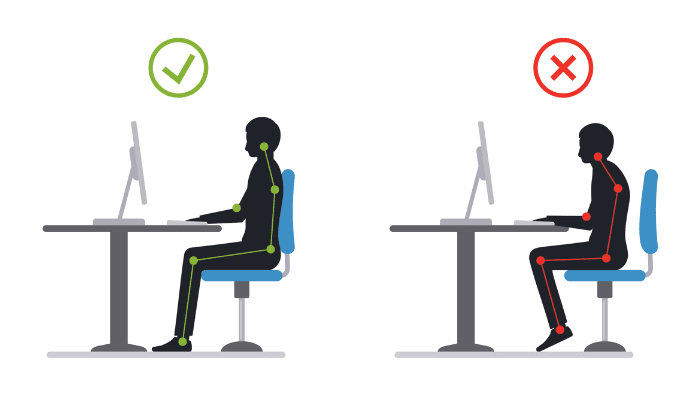
When you spend hours looking down at a smartphone or leaning toward a monitor, your cervical spine is forced to support up to 60 pounds of pressure. This persistent strain can cause:
- Early-onset cervical osteoarthritis.
- Herniated discs in the neck.
- Chronic upper back pain and shoulder stiffness.
Tension Headaches & Migraine Triggers
Suboccipital muscles are a small cluster of muscles located at the base of your skull. When you slouch or crane your neck forward, these muscles tighten significantly to keep your head from falling forward. This chronic tension can entrap the greater occipital nerve, triggering referred pain that radiates over the top of the skull and pools behind the eyes, resulting in severe tension headaches.
Repetitive Strain Injuries (RSI) & Carpal Tunnel Syndrome
Hours spent typing on non-ergonomic keyboards, gripping a computer mouse, or using handheld machinery can overload the tendons in your forearms. This repetitive movement creates micro-tears in the tendons, leading to tendinitis. When the surrounding muscles inflame, they compress the median nerve inside the carpal tunnel of the wrist, causing pain, numbness, and weakness in the hand.
Lumbar Hyperlordosis & Chronic Lower Back Pain
Prolonged sitting causes your hip flexors (specifically the psoas major) to remain in a shortened, tight position. When you finally stand up, these tight hip flexors pull your pelvis forward into an anterior pelvic tilt. This structural shift pinches the lumbar spine, compresses your lower spinal discs, and forces the lower back muscles to overwork just to keep you upright, resulting in chronic lumbar pain.
Poor Circulation & Edema
Sitting or standing still for hours at a time deactivates your "calf muscle pump"—the mechanism that returns blood and lymphatic fluid back up from your lower extremities toward your heart. This stagnation can lead to peripheral edema (swelling in the ankles and feet), an increased risk of deep vein thrombosis (DVT), and poor delivery of oxygen and nutrients to tissues throughout the body.
3. The Physiological Power of Massage: How it Reverses Chronic Strain
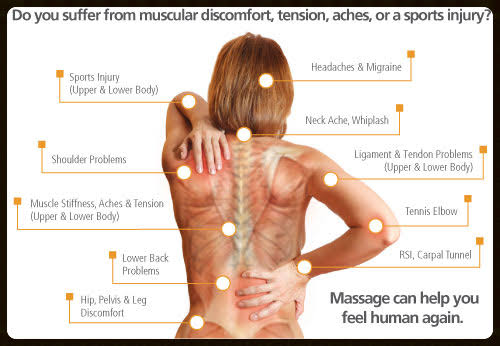
Massage therapy is more than just a relaxing luxury; it is a mechanical and physiological intervention that directly addresses the root causes of lifestyle-induced illnesses. Here is how deep tissue manipulation alters your body's physiology to promote healing:
Mechanical Elongation of Shortened Muscle Tissues
When muscles are kept in a shortened state due to poor posture, they form cross-linkages within the collagen matrix of the fascia (the connective tissue surrounding muscles). Massage therapists use techniques like myofascial release and deep tissue friction to manually break up these adhesions. This mechanical stretching helps restore the natural length, pliability, and sliding mechanics of your muscles and fascia.
Vasodilation and Hyperemia
Applying pressure to tight tissues squeezes out stagnant fluid. When that pressure is released, fresh, oxygenated, nutrient-rich arterial blood rushes back into the area—a process known as reactive hyperemia. This influx of fresh blood flushes out accumulated metabolic waste products, delivering the vital oxygen and nutrients required for cellular repair.
Downregulation of the Sympathetic Nervous System
Chronic stress and poor physical habits keep your body locked in a sympathetic nervous system state ("fight-or-flight"). This elevation in stress levels increases muscular tension and systemic inflammation.Massage therapy stimulates the mechanoreceptors in your skin and muscles, which signals the parasympathetic nervous system ("rest-and-digest") to take over. This shift leads to:
- A reduction in heart rate and blood pressure.
- Lower levels of the stress hormone cortisol.
- An increase in mood-stabilizing neurotransmitters like serotonin and dopamine.
Interruption of the Pain-Spasm-Pain Cycle
When a muscle is injured or overworked, it naturally contracts to protect the area. This contraction reduces local blood flow, causing ischemic pain, which prompts the brain to contract the muscle even further.
[Ischemic Pain] ──> [Brain Triggers Contraction] ──> [Increased Muscle Spasm] ──> [Worse Pain]Massage breaks this cycle by manually relaxing the hypertonic muscle fibers, stimulating localized blood flow, and overriding pain signals sent to the brain via the gate control theory of pain management.
4. Selecting the Right Massage Modality for Your Symptoms
Different habit-induced conditions require different approaches. To get the best results, it helps to match your specific symptoms to the right massage technique.
| Massage Modality | Best Suited For | Key Physiological Benefit |
| Deep Tissue Massage | Chronic muscle knots, Text Neck, forward shoulder posture, and deep myofascial adhesions. | Uses slow, deliberate strokes and deep finger pressure to target the deep layers of muscle and connective tissue. |
| Myofascial Release | Locked posture, limited flexibility, and widespread structural alignment issues. | Focuses on applying sustained pressure and stretch to the myofascial system to eliminate restrictions and restore range of motion. |
| Trigger Point Therapy | Tension headaches, referred nerve pain, and isolated localized pain points. | Applies direct, concentrated pressure to hyper-irritable spots within muscle fibers to deactivate pain-producing "knots." |
| Swedish Massage | Generalized anxiety, poor lower-body circulation, and high stress levels. | Employs long, gliding strokes (effleurage) and kneading (pétrissage) to boost circulation and calm the central nervous system. |
5. A Proactive Strategy for Long-Term Wellness
While massage therapy is an effective tool for reversing the damage caused by poor physical habits, long-term health requires a dual approach. You can maximize the benefits of your therapy by addressing the root behaviors that caused the strain in the first place.
Establish an Ergonomic Workspace
Ensure your monitor sits directly at eye level to prevent forward head tilt. Keep your elbows bent at a 90-degree angle, and choose a chair that provides reliable lumbar support for your lower back.
Practice Consistent Postural Breaks
Incorporate the 20-20-20 rule into your desk routine: every 20 minutes, stand up for 20 seconds, and look at something at least 20 feet away while rolling your shoulders back.
Commit to Targeted Home Stretching
Complement your massage sessions by regularly stretching shortened areas, like your chest and hip flexors, while working to strengthen weakened muscle groups, such as your deep neck flexors and glutes.
6. Take Control of Your Musculoskeletal Health
You do not have to accept chronic pain, tension headaches, or constant fatigue as a normal part of daily life. These symptoms are your body's way of signaling that its daily physical habits are no longer working.By integrating professional massage therapy into your wellness routine, you can break up painful tissue restrictions, improve your circulation, and reset an overstimulated nervous system. Combined with simple, mindful adjustments to your everyday environment, targeted bodywork allows you to actively protect your health, reverse the effects of daily strain, and help your body feel and move at its best.
