The Ultimate Prenatal Comfort: Safe, Relaxing Mobile Massage for Expectant Moms
Pregnancy is a profound, transformative journey. Over the course of forty weeks, an expectant mother’s body undergoes a remarkable structural, hormonal, and physical evolution to support new life.Yet, alongside the immense joy and anticipation, this rapid change introduces significant physical strain. As the baby grows, a mother’s center of gravity shifts forward, placing a continuous, heavy load on her lower spine, pelvis, and supporting muscle groups.

In a traditional wellness setting, seeking relief can feel like an uphill battle. Traveling to a commercial spa requires navigating busy traffic, sitting in uncomfortable waiting rooms, and managing the logistical stress of a fixed appointment schedule. For a pregnant woman dealing with nausea, fatigue, or joint instability, the journey to get relief can often feel more exhausting than the treatment itself.From an advanced digital marketing and maternal health perspective, specialized in-home prenatal mobile massage has emerged as an essential modern healthcare service. Far from a basic beauty luxury, clinical prenatal bodywork is an evidence-based tool that directly relieves pregnancy-related musculoskeletal pain, safely reduces systemic fluid retention, and calms an overstimulated nervous system.This comprehensive guide explores the deep anatomical science behind prenatal bodywork, outlines the strict safety standards that protect both mother and baby, and shows how an expert in-home mobile massage provider can transform a standard living room into a blissful, highly therapeutic prenatal sanctuary.
1. The Anatomy of Gestational Strain: Understanding Pregnancy Pain
To appreciate why specialized prenatal massage is so beneficial, we must look at the specific physical and hormonal changes happening inside an expectant mother's body.
The Biomechanical Shift
As the uterus expands, it pulls the pelvis forward into an exaggerated curve known as an anterior pelvic tilt. This structural shift forces the deep muscles of the lower back (such as the quadratus lumborum) and the hip stabilizers to stay continuously contracted. This ongoing strain leads to the deep, radiating lower back ache and gluteal stiffness that many women experience during their second and third trimesters.
The Impact of Relaxin
Throughout pregnancy, the placenta releases a key hormone called relaxin. This hormone softens the body's ligaments and opens up the pelvic joints to prepare the birth canal for delivery.However, relaxin affects the entire body, not just the pelvis. This increased joint looseness forces the surrounding muscles to work twice as hard to keep the skeleton stable, making them highly prone to painful muscle spasms and fatigue.
Nerve Compression and Sciatica
The combination of structural misalignment and localized swelling can cause the uterus and tight piriformis muscles to press directly against the sciatic nerve. This pressure triggers sciatica—a sharp, shooting pain or numbness that travels from the lower back down through the glutes and into the legs, making walking or sleeping comfortably incredibly difficult.
2. The Science of Safety: Strict Protocols for Prenatal Bodywork
Because a pregnant mother's vascular and skeletal systems are operating under unique conditions, prenatal massage requires specialized clinical training and strict safety protocols that differ significantly from a standard massage.
Side-Lying Positioning
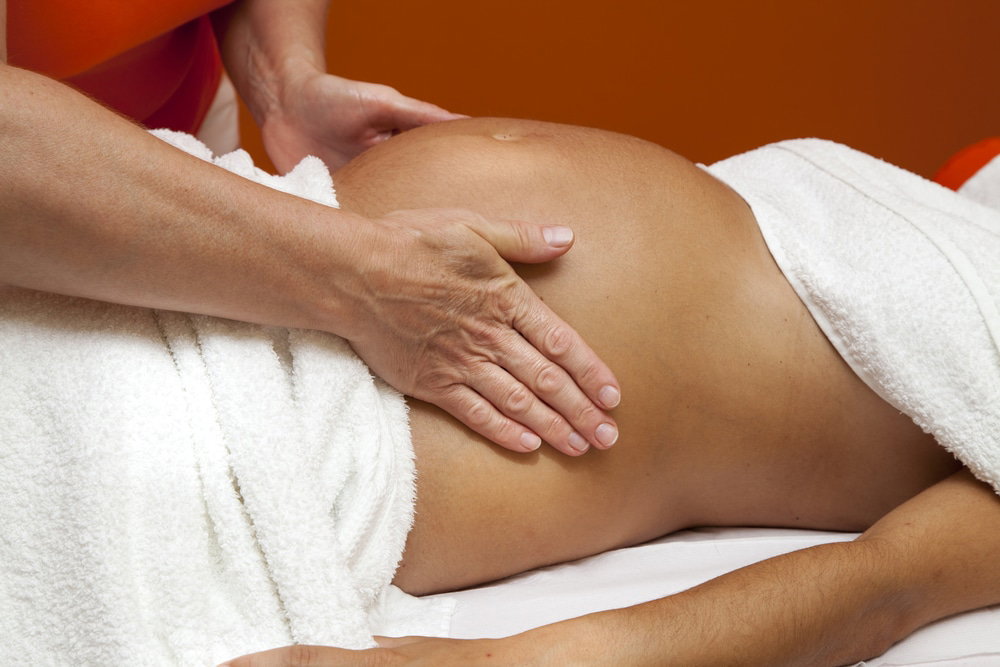
After the first trimester (week 12), an expectant mother must never lie flat on her back. The weight of the growing uterus can compress the inferior vena cava—the large vein that returns blood from the lower body to the heart. Compressing this vein can reduce blood flow, lower maternal blood pressure, and decrease oxygen delivery to the baby.To prevent this risk, a certified prenatal mobile massage therapist uses a specialized side-lying position, supporting the body with targeted pillows and wedges:
- Abdominal Support: A soft wedge pillow is placed beneath the belly to prevent any pulling or strain on the uterine ligaments.
- Pelvic Alignment: A thick pillow is positioned between the knees and ankles to keep the hips perfectly stacked, removing painful pressure from the sacroiliac (SI) joint.
- Cervical Comfort: A supportive pillow keeps the neck and head aligned with the spine, ensuring easy, relaxed breathing.
Modifying Applied Pressure
During pregnancy, maternal blood volume increases by nearly 50%, while blood flow in the lower extremities naturally slows down. This combination increases the risk of deep vein thrombosis (DVT), or blood clots, in the calves.Because of this physiological change, deep tissue massage on the lower legs is strictly avoided during pregnancy. Instead, a trained therapist uses gentle, upward strokes to safely encourage fluid drainage without putting deep structural pressure on vulnerable veins.
3. The Therapeutic Benefits: Enhancing Maternal Well-Being
When performed by a certified specialist, an in-home prenatal massage delivers deep, systemic benefits that support a mother’s physical and emotional health throughout her journey.
| Trimester Phase | Primary Physical Challenges | Targeted Mobile Massage Benefits |
| First Trimester (Weeks 1-12) | Fatigue, morning sickness, early hormonal shifts. | Note: Most clinics require clearing this phase before booking. Gentle relaxation to calm the nervous system. |
| Second Trimester (Weeks 13-26) | Mid-back pain, hip discomfort, structural shifts. | Targeted myofascial release to open tight back muscles and relieve pelvic joint strain. |
| Third Trimester (Weeks 27-40+) | Severe lower back strain, leg swelling, insomnia. | Side-lying circulatory stroke work to flush ankle fluid and improve sleep quality. |
Natural Fluid Decongestion
During the third trimester, many expectant mothers experience edema, a type of swelling caused by fluid pooling in the ankles, feet, and hands. A trained prenatal therapist utilizes gentle lymphatic drainage techniques to move this excess fluid out of the limbs and back into central circulation. This quickly reduces painful swelling, eases joint pressure, and restores comfortable movement.
Hormonal Balance and Better Sleep
Clinical research shows that regular prenatal bodywork significantly lowers cortisol and adrenaline levels while boosting dopamine and serotonin. This hormonal shift calms the sympathetic nervous system, shifting the body out of stress mode. Lowering these stress hormones helps reduce prenatal anxiety, relaxes tight muscles, and allows expectant mothers to fall into a deeper, more restorative sleep.
4. The In-Home Sanctuary: Preparing Your Space for Ultimate Comfort
The primary advantage of a mobile prenatal massage is that the entire experience comes directly to your home. Bypassing the stress of driving, parking, and sitting in public areas allows a mother to stay in a peaceful state of relaxation from start to finish.To help your mobile therapist create a luxurious, 5-star spa environment right in your bedroom or nursery, follow this simple preparation guide:
In-Home Prenatal Spa Setup Guide
1.Set a Comfortable Room Climate:30 minutes before arrival.Pregnancy naturally raises a mother's core body temperature. Ensure your room is set to a cool, comfortable temperature so you can stay perfectly relaxed and sweat-free throughout your treatment.2.Clear Your Schedule and Turn Off Screens:15 minutes before arrival.Mute your phone, close your laptop, and let family members know you need uninterrupted quiet time. Disconnecting from digital noise is essential for letting your mind fully unwind.3.Soften the Lights and Sounds:10 minutes before arrival.Dim the overhead lights and close the curtains to create a soothing ambiance. Play a soft, instrumental playlist or a calming nature soundscape to mask any distracting neighborhood noise.4.Complete Your Health Consultation:At therapist arrival.Take a few minutes to share your current physical needs with your therapist. Mentioning any specific pain zones or areas where you prefer lighter pressure ensures your session is perfectly safe and customized to your body.
The Post-Massage In-Home Luxury
The best part of an in-home mobile massage is what happens immediately after your session. Instead of gathering your belongings and driving home through stressful traffic, you can stay wrapped in your robe, enjoy a refreshing glass of water, and slide straight into your own bed to enjoy a peaceful afternoon nap.
5. Frequently Asked Questions: Safe Prenatal Care Guidance
To help you feel completely confident as you prepare to book your session, here are direct answers to the most common questions regarding prenatal mobile massage safety:
Is prenatal massage safe during all stages of pregnancy?
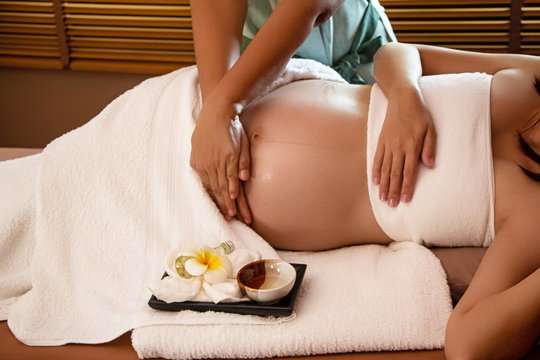
While prenatal massage is highly beneficial, most certified wellness networks prefer to begin treatments during the second trimester (after week 12). If you are experiencing a high-risk pregnancy, dealing with gestational hypertension, or experiencing early contractions, you should always check in and get clear approval from your OB-GYN before scheduling a session.
How does a mobile prenatal table setup differ from a standard massage table?
A mobile prenatal specialist brings an adjustable, heavily cushioned table along with a complete set of orthopedic pillows, bolsters, and body wedges. Rather than using face-down cutouts—which can cause the abdomen to sag and strain the lower back ligaments—the therapist will expertly arrange these supports to cradle your body comfortably in a safe, side-lying position.
What types of massage oils are safe to use during pregnancy?
A professional prenatal therapist uses only 100% pure, unscented organic carrier oils, such as jojoba, sweet almond, or fractionated coconut oil. Strong, concentrated essential oils are avoided or used with extreme care, as certain plant extracts can trigger uterine contractions or cause nausea due to a heightened sense of smell during pregnancy.
6. Prioritizing Maternal Wellness from the Comfort of Home
Taking care of your body during pregnancy is not a luxury; it is an essential part of preparing for birth and supporting your long-term health. The physical and emotional strains of carrying a child require proactive, specialized care that honors your changing body.This week, step away from the discomfort of chronic back pain, swollen joints, and sleepless nights. Skip the stress of traveling to a busy commercial clinic and let a certified prenatal specialist bring top-tier, restorative care straight to your door. By choosing a luxury mobile prenatal massage, you are investing in a safe, deeply relaxing experience that supports your health, comforts your body, and brings a peaceful sense of balance to your home.
